What Is Convection Roast On Oven And Why You Need It
Convection roast on oven uses a fan and heating element to circulate hot air around food for faster, more even cooking. This method creates a crispy exterior while keeping the inside juicy and tender. You can roast meats, vegetables, and baked goods with better results in less time.
Have you ever wondered what makes some roasted chicken skin impossibly crispy while other meals come out uneven and dry? The answer might be simpler than you think. Convection roast on oven is a cooking feature that has been around for years but still surprises many home cooks who have never tried it.
This cooking method uses a fan and a rear heating element to push hot air all around your food. The result? Meals that cook faster, brown more evenly, and taste incredible every single time. Whether you are a beginner in the kitchen or a seasoned home chef, understanding convection roast can completely change the way you prepare meals.
In this guide, we will break down everything you need to know. You will learn how it works, why it beats regular roasting, and which foods benefit the most. By the end, you will be eager to fire up your convection oven and try it for yourself.
Key Takeaways
- Faster Cooking: Convection roast cuts cooking time by about 25% compared to a conventional oven.
- Even Cooking: The fan distributes heat evenly, so no hot spots or undercooked areas.
- Crispy Results: Hot air circulation creates a beautifully browned and crispy exterior on meats and vegetables.
- Lower Temperatures: You can reduce cooking temperature by about 25°F and still get great results.
- Versatile Use: Works great for roasting chicken, vegetables, casseroles, and baked goods.
- Energy Efficient: Shorter cooking times mean less energy used and lower utility bills.
📑 Table of Contents
- What Is Convection Roast On Oven?
- How Does Convection Roasting Work?
- Benefits Of Using Convection Roast Mode
- Convection Roast vs Regular Roast: Key Differences
- Best Foods To Cook With Convection Roast
- Tips And Tricks For Perfect Convection Roasting
- Expert Insights On Convection Roasting
- Key Takeaways
- Conclusion
What Is Convection Roast On Oven?
A convection roast setting uses a fan and heating element to blow hot air directly onto your food. Unlike a regular oven that relies only on radiant heat from the top and bottom elements, a convection oven moves that heat around the cooking chamber. This constant flow of hot air surrounds every side of your dish.
The fan is usually located at the back of the oven. It pushes heated air through the oven cavity in a circular motion. This process is often called fan-forced cooking. The moving air removes the thin layer of cool air that sits on the surface of food, which speeds up the cooking process significantly.
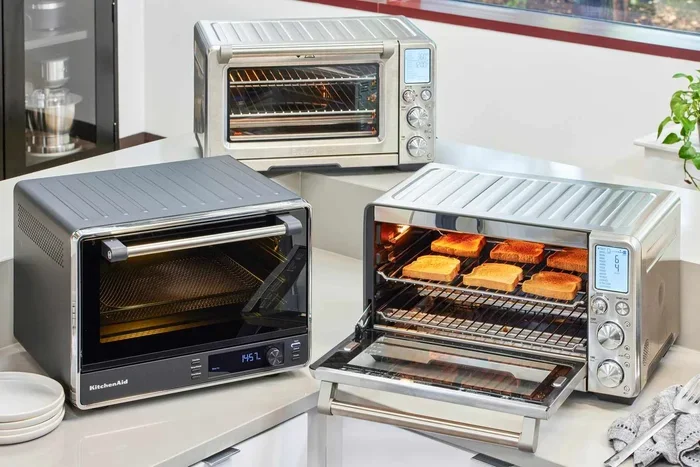
Most modern ovens come with a dedicated convection roast mode. When you select this setting, the fan turns on automatically along with the heating element. Some ovens let you adjust the fan speed, giving you more control over how much air circulation you want.
The convection setting is different from regular bake or broil modes. In a standard bake mode, heat comes from the bottom element only. In broil mode, heat comes from the top. But in convection roast, the fan creates a uniform environment inside the oven. This means your food cooks more consistently from all directions.
How Convection Roast Differs From Regular Baking
Regular baking uses still, static heat. The hot air sits inside the oven and slowly transfers warmth to your food through natural convection. This works fine for many recipes, but it has limitations. Heat does not reach every part of the dish equally, which can lead to uneven cooking.
Convection roast solves this problem with active air movement. The fan forces hot air against the surface of your food at a much higher rate. This creates a more efficient transfer of heat. Your food cooks faster and more evenly, with a beautifully browned exterior and a moist interior.
How Does Convection Roasting Work?
Understanding the mechanics behind convection roast helps you use it more effectively. The science is straightforward and fascinating.
When you turn on the convection roast mode, three things happen simultaneously. The heating element warms up the air inside the oven. The fan pushes that hot air across the food. And the circulating air carries heat away from the surface of the food, which speeds up the cooking process.
This constant movement of air does several important things:
- Speeds up cooking: Moving heat transfers to food faster than still air. This is why convection roast typically reduces cooking time by 20 to 25 percent.
- Promotes even browning: The fan ensures that every part of the food gets equal exposure to hot air. No more rotating pans halfway through cooking.
- Enhances crispy texture: The moving air quickly removes moisture from the surface of food. This leads to a crispy exterior and a juicy interior.
- Reduces cold spots: In a regular oven, the area near the heating element gets much hotter than the rest. A fan eliminates these temperature variations.
The Role Of Heat Circulation
Heat circulation is the key concept behind convection roast. In a conventional oven, hot air rises and cool air sinks. This creates natural currents, but they are slow and uneven. The fan in a convection oven forces air movement, creating a much more efficient heat transfer system.
Think of it like the difference between standing in a still room and standing in front of a fan. The fan makes you feel cooler because it moves air across your skin faster. In the same way, the convection fan moves hot air across your food faster, cooking it more efficiently.
Benefits Of Using Convection Roast Mode
Once you start using the convection roast setting, you will notice several clear advantages. These benefits make it worth exploring if you have not used it before.
Faster Cooking Times
The most obvious benefit of convection roast is speed. Because the hot air moves constantly, your food reaches the target temperature faster. On average, you can expect cooking times to drop by about 25 percent. This is a huge time-saver, especially on busy weeknights when you need dinner on the table quickly.
For example, a roast chicken that takes 90 minutes in a conventional oven might be done in just 65 to 70 minutes with convection roast. That is nearly 30 minutes saved without sacrificing quality.
More Even Cooking Results
One of the biggest frustrations with regular ovens is uneven cooking. The back of the oven tends to run hotter. The bottom rack cooks faster than the top. With convection roast, the fan distributes heat evenly throughout the oven cavity. Every piece of food gets the same amount of heat exposure.
This is especially helpful when you are cooking multiple dishes at once. The even heat distribution means you can place pans on different racks without worrying about one dish cooking faster than another.
Better Browning And Crisping
The moving air in a convection oven strips away moisture from the surface of food quickly. This leads to superior browning and a satisfyingly crispy texture. Roasted vegetables develop deeper caramelization. Meat gets a golden-brown crust that looks and tastes restaurant-quality.
If you love crispy skin on chicken or perfectly roasted root vegetables, convection roast is your best friend. The results are consistently better than what you get with a standard bake setting.
Energy Efficiency
Shorter cooking times mean less energy used. Your oven does not need to run as long to reach the desired result. Over time, this can add up to meaningful savings on your electricity or gas bill. It is also better for the environment, which is a nice bonus.
Versatility In The Kitchen
Convection roast is incredibly versatile. You can use it for meats, poultry, vegetables, casseroles, baked goods, and even dehydrating foods. Once you get comfortable with this setting, you will find yourself reaching for it more and more often.
Convection Roast vs Regular Roast: Key Differences
It helps to compare convection roast directly with a regular roast setting. This side-by-side view makes the advantages clear.
| Feature | Convection Roast | Regular Roast |
|---|---|---|
| Heat Source | Fan + heating element | Top and bottom elements only |
| Cooking Time | 20-25% faster | Standard time |
| Temperature | Reduce by 25°F | Standard temperature |
| Browning | Even and deep | Can be uneven |
| Moisture Retention | Surface dries faster | More moisture retained on surface |
| Best For | Roasting, browning, crisping | Baking, gentle cooking |
| Pan Placement | Flexible, multiple racks | Best on middle rack |
| Energy Use | Lower due to shorter time | Standard |
The table above shows that convection roast has clear advantages for roasting tasks. However, it is not always the best choice. Delicate baked goods like soufflés and cakes sometimes suffer from the strong air current. The fan can cause batter to rise unevenly or create a crust too early in the baking process.
When To Use Each Setting
Use convection roast for meats, poultry, root vegetables, and dishes where you want a crispy exterior. Use regular roast or bake mode for delicate items like custards, flans, and certain cakes. Knowing when to switch between settings is a key skill for any home cook.
Best Foods To Cook With Convection Roast
Not all foods benefit equally from convection roast. Here are the best candidates that really shine with this cooking method.
Roast Chicken
Roast chicken is the classic use case for convection roast. The fan circulates hot air around the entire bird, cooking it evenly from every angle. The result is golden, crispy skin and juicy meat throughout. A whole chicken cooks faster and more uniformly in a convection oven than in a conventional one.
Pro tip: Place the chicken on a cooking rack inside a roasting pan. The rack allows air to flow underneath the bird, which enhances the crispy skin effect even further.
Roasted Vegetables
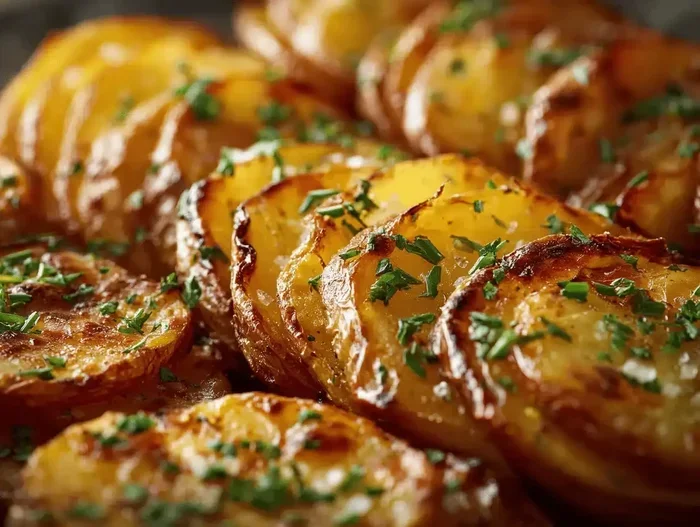
Root vegetables like carrots, potatoes, parsnips, and beets turn out amazing with convection roast. The hot air removes surface moisture quickly, which leads to deep caramelization and a crispy exterior. The inside stays tender and sweet.
Spread vegetables in a single layer on a sheet pan. Do not overcrowd the pan, because this blocks air flow and reduces the effectiveness of the convection setting.
Meat Roasts
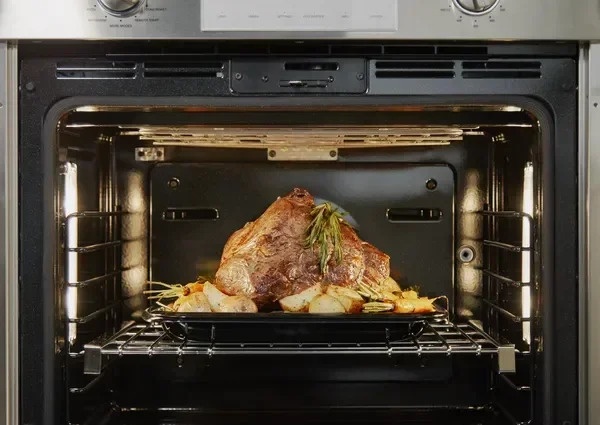
Beef roasts, pork loin, lamb racks, and other large cuts of meat benefit greatly from convection roast. The even heat distribution ensures that the meat cooks consistently from edge to center. You get a beautiful brown crust on the outside while the inside stays perfectly juicy.
Always use a meat thermometer to check the internal temperature. Because convection roast cooks faster, the internal temperature can rise quickly. Pull the meat off early to avoid overcooking.
Baked Goods And Pastries
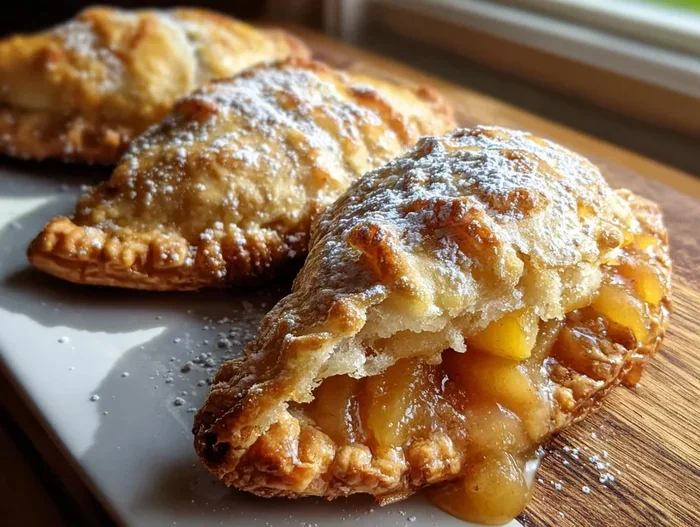
Surprisingly, some baked goods also do well in a convection oven. Pies, pastries, and cookies benefit from the even heat and the quick removal of moisture from the dough surface. This leads to a more even rise and a beautifully golden finish.
However, reduce the temperature by 25°F when baking with convection roast. The moving air transfers heat more efficiently, so your baked goods will cook faster than in a conventional oven.
Casseroles And Baked Dishes
Casseroles, lasagnas, and baked pasta dishes come out wonderfully in a convection oven. The top browns evenly without the need for a final broil. The sides and bottom cook through consistently, eliminating the common problem of a cold center.
Tips And Tricks For Perfect Convection Roasting
Using convection roast is not as simple as just pressing a button and walking away. A few smart adjustments will help you get the best results every time.
Reduce The Temperature
The most important rule for convection roast is to lower the temperature. The fan makes the oven more efficient, so food cooks at a lower temperature than you might expect. The standard rule is to reduce the temperature by 25°F from what your recipe calls for.
For example, if a recipe says to roast at 400°F in a conventional oven, set your convection oven to 375°F. The results will be just as good, if not better, because the food will cook faster and more evenly.
Use A Low-rimmed Or Rimless Baking Sheet
The fan needs clear airflow to work properly. Avoid using high-rimmed baking sheets or deep pans that block the circulation of air. A low-rimmed sheet pan or a rimless baking sheet allows the hot air to flow freely around the food.
This is especially important when roasting vegetables or baking cookies. The more open the pan, the better the results from your convection roast setting.
Do Not Overcrowd The Pan
Overcrowding is the enemy of good convection roasting. When food pieces are too close together, the hot air cannot circulate properly between them. This leads to steaming instead of roasting, which prevents the crispy texture you are aiming for.
Give each piece of food enough space. If you need to cook a large quantity, use multiple pans and rotate them halfway through cooking. This ensures every piece gets the benefit of the circulating hot air.
Always Use A Meat Thermometer
Because convection roast cooks faster, it is easy to accidentally overcook meat. A meat thermometer takes the guesswork out of the process. Insert it into the thickest part of the meat, away from the bone, and check the temperature frequently.
For roast chicken, aim for an internal temperature of 165°F. For beef roast, 135°F gives you a perfect medium-rare. Knowing the exact temperature helps you pull the meat at just the right moment.
Let Food Rest After Cooking
Just like with regular roasting, always let your meat rest after taking it out of the convection oven. Resting allows the juices to redistribute throughout the meat. This leads to a more tender and flavorful result. A good rule of thumb is to let meat rest for 10 to 15 minutes before slicing.
Adjust Cooking Times
Because convection roast is faster, you need to check your food earlier than the recipe suggests. Start checking about 10 to 15 minutes before the listed time. Use visual cues like browning and a meat thermometer to determine doneness.
Keep notes on your favorite recipes and how they turn out in your specific oven. Every convection oven behaves slightly differently, and your personal notes will become your most valuable cooking resource over time.
Avoid Using Foil To Cover The Pan
Covering your pan with foil blocks the air flow that makes convection roast so effective. If you are worried about food drying out, use a light-colored pan instead of dark metal, or simply check the food more frequently during cooking.
Clean Your Oven Regularly
A clean oven performs better. Grease and food residue can block the fan and heating elements, reducing the efficiency of your convection roast setting. Wipe down the interior after each use and deep clean your oven regularly for the best performance.
Common Mistakes To Avoid
Here are some frequent mistakes people make when using convection roast and how to avoid them:
- Not reducing the temperature: This leads to overcooked or burnt food. Always drop the temperature by 25°F.
- Overcrowding the pan: This blocks air flow and creates steamed, soggy food instead of roasted, crispy food.
- Using the wrong pan: Deep, high-rimmed pans restrict air circulation. Stick to low, flat pans.
- Skipping the meat thermometer: Convection cooking is faster, so guessing is not an option.
- Ignoring the fan noise: Some people think the fan is too loud or annoying. It is a sign the oven is working correctly, so embrace it.
Expert Insights On Convection Roasting
Professional chefs and cooking experts agree that convection roast is one of the most underused features in home kitchens. Many home cooks default to the regular bake setting out of habit, never realizing how much better their food could turn out.
Chef Michael Ruhlman, a well-known food writer, has noted that convection ovens have transformed professional kitchens for decades. The technology has been proven to deliver consistent, high-quality results. Home cooks now have access to the same powerful tool, and it is worth taking advantage of it.
The key is understanding that convection roast is not a replacement for regular baking. It is a specialized tool that excels at specific tasks. Roast meats, crispy vegetables, and golden pastries all benefit from the moving hot air. Delicate items like soufflés and custards are better left to the regular bake setting.
Cooking instructor and food blogger, Erin McDowell, recommends starting with simple recipes when exploring convection roast. Roast chicken, sheet pan vegetables, and simple baked goods are perfect starting points. Once you see the results, you will naturally want to experiment with more recipes.
Another expert tip from professional kitchens is to always preheat your convection oven. Preheating ensures that the fan is circulating hot air from the moment you put your food in. This leads to more consistent results and better browning from the very start.
Key Takeaways
- Faster Cooking: Convection roast reduces cooking time by 20 to 25 percent compared to a conventional oven.
- Even Heat Distribution: The fan eliminates hot spots, so every part of your food cooks uniformly.
- Superior Browning: Moving hot air creates a crispy, golden exterior on meats, vegetables, and baked goods.
- Lower Temperature Needed: Always reduce the temperature by 25°F when using the convection roast setting.
- Versatile And Efficient: Works great for roasting, baking, and even dehydrating a wide variety of foods.
- Energy Savings: Shorter cooking times mean less energy consumed and lower utility costs.
- Practice Makes Perfect: Once you get used to adjusting times and temperatures, convection roast becomes second nature.
Conclusion
Convection roast on oven is a powerful cooking feature that can elevate your everyday meals. It cooks faster, browns better, and delivers more consistent results than a conventional oven. Whether you are roasting a whole chicken, caramelizing vegetables, or baking a batch of cookies, the convection roast setting makes a noticeable difference.
The key to success is understanding how it works and making a few simple adjustments. Reduce your temperature by 25°F, avoid overcrowding the pan, and always use a meat thermometer. These small changes will unlock the full potential of your convection oven.
Once you experience the difference that convection roast makes, you will wonder how you ever cooked without it. The crispy skin, the even browning, the perfectly tender interior, and the time saved are all worth it. Give it a try with your next roast and see the results for yourself.
Your convection oven is a versatile tool that can do so much more than you might realize. Embrace the convection roast setting, experiment with new recipes, and enjoy the delicious, perfectly cooked meals that come out of your oven every time.
Frequently Asked Questions
Can I use convection roast for baking cakes and bread?
You can, but with caution. The fan can cause delicate batters to rise unevenly or form a crust too quickly. If you want to try baking with convection roast, reduce the temperature by 25°F and keep a close eye on your baked goods. For most cakes and breads, the regular bake setting is still the safer choice.
How much should I reduce the temperature when using convection roast?
The standard rule is to reduce the temperature by 25°F. So if a recipe calls for 400°F in a conventional oven, set your convection oven to 375°F. This adjustment accounts for the more efficient heat transfer caused by the fan.
Is convection roast the same as air frying?
They are very similar. Both use a fan to circulate hot air around food for crispy results. Some modern ovens have a dedicated air fry setting that works essentially like a convection roast. The main difference is that air fryers are smaller and more compact, while a convection oven offers more space for larger meals.
Can I use regular pans in a convection oven?
Yes, you can use most regular pans. However, low-rimmed or rimless baking sheets work best because they allow maximum air flow. Avoid deep, high-rimmed pans that block the circulating hot air. Dark pans absorb more heat, so you may need to check food a bit earlier when using them with convection roast.
Is convection roast better for roasting vegetables?
Absolutely. Convection roast is one of the best ways to cook vegetables. The moving hot air removes surface moisture quickly, which leads to deep caramelization and a crispy exterior. Root vegetables like potatoes, carrots, and parsnips turn out especially well with this method.
Do I need to adjust cooking times when using convection roast?
Yes, cooking times are typically 20 to 25 percent shorter with convection roast. Start checking your food earlier than the recipe suggests. Use a meat thermometer for roasts and look for visual cues like even browning to determine when your food is done.