Can I Air Fry In My Convection Oven The Ultimate Guide
Yes, you absolutely can air fry in your convection oven. A convection oven uses a fan to circulate hot air, which is the same core technology behind every air fryer. This means your oven can deliver crispy, golden results with little to no oil. Whether you want to make fries, chicken wings, or roasted vegetables, your convection oven can handle it all with ease and convenience.
Have you ever wondered whether your convection oven can do the job of an air fryer? The short answer is yes. The longer answer is even more exciting. Your convection oven is already equipped with the technology that makes air frying possible. It uses a fan to blow hot air around the food, creating that signature crispy exterior without submerging anything in oil.
Many people buy standalone air fryers without realizing their oven can do the same thing. This guide will walk you through everything you need to know about air frying in a convection oven. From how it works to practical tips and common mistakes, you will find all the information you need right here.
The beauty of using your oven for air frying is simple. You get the convenience of a large cooking space without the extra countertop clutter. You can prepare meals for the whole family at once. And you do not need to learn a brand new appliance. Let us dive in and explore how to make the most of this capability.
Key Takeaways
- Convection ovens and air fryers work on the same principle: circulating hot air to cook food quickly and evenly.
- You can achieve crispy results without buying a separate countertop air fryer.
- Using the right accessories like perforated baking sheets makes a big difference.
- Temperature and timing adjustments are essential when converting air fryer recipes for oven use.
- Air frying in a convection oven allows you to cook larger batches than a traditional air fryer.
- Common mistakes like overcrowding the pan can lead to soggy food instead of crispy perfection.
- Regular cleaning and maintenance keeps your oven performing at its best for air frying.
📑 Table of Contents
- What Is Air Frying and How Does It Work in a Convection Oven?
- How to Air Fry in Your Convection Oven (Step by Step)
- Best Foods to Air Fry in a Convection Oven
- Air Fryer vs Convection Oven: Which Is Better?
- Common Mistakes to Avoid When Air Frying in a Convection Oven
- Pro Tips for Perfect Air Frying Results
- Frequently Asked Questions
- Conclusion
What Is Air Frying and How Does It Work in a Convection Oven?
Understanding the Science Behind Air Frying
Air frying relies on a simple concept. Hot air moves rapidly around the food, removing moisture from the surface. This process creates a crispy, golden finish that mimics deep frying. The key difference is that air frying uses a fraction of the oil, or sometimes none at all.
In a convection oven, a fan sits at the back or top of the cavity. This fan pushes hot air through the oven compartment. When you place food on a baking sheet, the circulating air hits all sides evenly. This is exactly what happens inside a countertop air fryer too.
The main distinction between a regular bake cycle and an air fry cycle is fan speed. Air fry mode typically uses a faster fan speed. This creates more intense airflow and quicker browning. Some ovens label this as “roast” or “air roast” mode. Check your oven’s manual to find the right setting.
How Convection Ovens Compare to Countertop Air Fryers
Countertop air fryers and convection ovens share the same basic technology. Both use a fan to move hot air. The difference lies mainly in size and airflow intensity.
A countertop air fryer has a smaller cavity and a more powerful fan relative to its size. This means the air circulates very quickly and intensely. Food in an air fryer tends to cook faster and get crispier in some cases.
A convection oven has more space. The fan is powerful but the cavity is larger. This means you can cook more food at once. However, the airflow is slightly less concentrated. For most home cooks, this difference is negligible. Your convection oven can produce excellent air frying results.
Here are some key comparisons between the two:
- Cooking capacity: A convection oven holds more food than a standard air fryer.
- Airflow intensity: Air fryers concentrate airflow more tightly, which can give crispier results for small batches.
- Counter space: Using your oven frees up valuable counter space.
- Versatility: Your oven can bake, roast, and air fry all in one appliance.
- Energy use: Heating a large oven uses more energy than a small air fryer for very small portions.
How to Air Fry in Your Convection Oven (Step by Step)
Step 1: Choose the Right Setting
Start by finding the air fry, roast, or convection bake setting on your oven. Not all ovens have a dedicated air fry mode. In that case, use the roast or convection bake function. These settings activate the fan and provide the airflow needed for air frying.
If your oven has multiple fan speeds, choose the highest setting. This mimics the intense airflow of a countertop air fryer. Some modern ovens even have a specific “air fry” button. If yours does, you are already set.
Step 2: Preheat the Oven
Preheating is important. Just like with a standalone air fryer, you want the oven to be hot before the food goes in. Set the temperature and let the oven preheat for about 5 minutes. This ensures even cooking from the moment your food enters the cavity.
Preheating also helps kickstart the browning process. The hot air hits the food immediately, which helps create that crispy outer layer you love. Skipping this step can lead to uneven cooking and longer cook times.
Step 3: Prepare Your Food and Pan
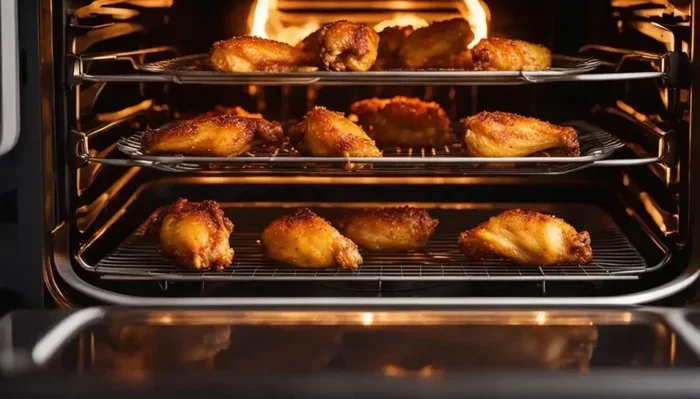
Use a perforated baking sheet or a wire rack. These allow air to flow underneath the food. If you do not have either, you can use a regular baking sheet lined with parchment paper. Just make sure to poke holes in the parchment to let air through.
Place your food in a single layer. Do not overlap pieces. Each piece should have space around it so the hot air can reach every surface. This is the most important step for getting crispy results.
Step 4: Set the Temperature and Time
When converting air fryer recipes for oven use, you may need to adjust. Lower the temperature by about 25 degrees Fahrenheit. Increase the cooking time slightly, usually by 2 to 5 minutes. These adjustments account for the larger cavity and slightly less concentrated airflow.
Always check your food a few minutes before the suggested time. Ovens vary in performance. A visual and tactile check helps you learn exactly how your oven behaves. Over time, you will develop a feel for the right timing.
Step 5: Shake or Flip Halfway Through
Halfway through cooking, open the oven and shake the pan or flip the food. This ensures even browning on all sides. In a countertop air fryer, you would do the same thing. The oven just requires a bit more effort since you are opening the door.
Be quick when you open the door. You do not want to lose too much heat. Just a brief pause is enough to move things around. Then close the door and let the oven finish the job.
Best Foods to Air Fry in a Convection Oven
Fries and Potato Wedges
French fries are the classic air fried food. And they turn out beautifully in a convection oven. Cut potatoes into sticks or wedges, toss them with a small amount of oil, and spread them on a perforated sheet. Roast at 400 degrees Fahrenheit for about 25 to 30 minutes. Shake the pan halfway through for even crispiness.
You can also try sweet potato wedges, zucchini fries, or parsnip sticks. All of these work wonderfully with the air fry setting. The result is a crispy exterior with a fluffy interior, all without deep frying.
Chicken Wings and Tenders
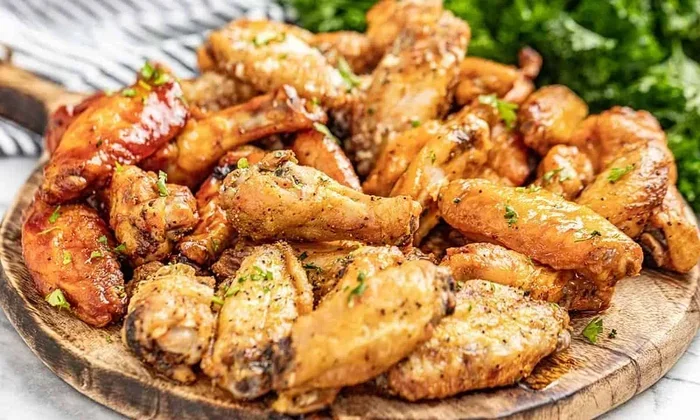
Chicken wings are a crowd favorite for air frying. Season your wings with your favorite spices and place them on a wire rack. The hot air circulates around each wing, rendering the fat and creating crispy skin. Cook at 400 degrees for about 25 to 30 minutes, flipping halfway through.
Chicken tenders work just as well. Breaded or unbreaded, they come out juicy inside and crispy outside. This is a great weeknight dinner option that the whole family will enjoy.
Vegetables and Roasted Sides
Roasting vegetables in a convection oven brings out their natural sweetness. Broccoli, Brussels sprouts, cauliflower, and bell peppers all become beautifully caramelized. Toss them with olive oil, salt, and pepper, then spread them in a single layer on a baking sheet.
Roasting time varies by vegetable. Dense vegetables like carrots and potatoes take longer than leafy greens or broccoli. A general rule is to roast at 400 to 425 degrees for 15 to 25 minutes. Check for tenderness and browning before serving.
Reheating Leftovers
One of the best uses of air frying in a convection oven is reheating leftovers. Pizza, fried chicken, and french fries all come back to life with a quick air fry session. They regain their crispiness in a way that a microwave simply cannot match.
Set your oven to 350 to 375 degrees and reheat for 3 to 5 minutes. The hot air refreshes the crust or coating without drying out the inside. It is a game changer for leftover meals.
Air Fryer vs Convection Oven: Which Is Better?
When to Use a Countertop Air Fryer
A countertop air fryer shines when you are cooking for one or two people. It heats up faster than a full oven and uses less energy. If you are making a small batch of fries or reheating a single serving, the air fryer is the quicker choice.
Air fryers also tend to produce slightly crispier results for small portions. The fan is closer to the food, and the airflow is more intense. If crispy texture is your top priority and you are cooking for a small household, a dedicated air fryer may be worth it.
When to Use Your Convection Oven for Air Frying
The convection oven wins when you need to cook larger quantities. A whole tray of chicken wings or a full batch of roasted vegetables fits easily inside. You do not need to cook in multiple batches, which saves time during gatherings and meal prep.
Your oven is also better for cooking larger items. A whole chicken or a large sheet of salmon fillets benefit from the spacious oven cavity. You simply cannot fit these in a standard countertop air fryer.
Convenience is another advantage. You probably already use your oven for baking and roasting. Adding air frying to its capabilities means one less appliance to clean and store. For many households, the convection oven is the more practical choice.
Can You Use Both Together?
Absolutely. Many home cooks use both their convection oven and a countertop air fryer. Each has its strengths. Use the air fryer for quick, small-batch cooking. Use the oven for larger meals and batch cooking. Together, they cover all your air frying needs.
Common Mistakes to Avoid When Air Frying in a Convection Oven
Overcrowding the Pan
This is the number one mistake people make. When you pack too much food onto the baking sheet, the hot air cannot reach all surfaces. The result is steamed, soggy food instead of crispy perfection.
Always leave space between each piece. If you need to cook a large batch, use two trays and cook them separately. The extra time is worth the difference in texture.
Using Too Much Oil
Air frying requires very little oil. A light spray or a toss with a teaspoon of oil is usually enough. Too much oil defeats the purpose of air frying and can make food greasy.
Use a spray bottle to mist oil evenly over your food. This coats the surface lightly without pooling. You will get crispiness with minimal fat.
Skipping the Parchment or Perforated Sheet
Placing food directly on a solid baking sheet blocks airflow from below. This leads to uneven cooking and soggy bottoms. Always use a perforated sheet, a wire rack, or parchment paper with holes punched in it.
Parchment paper also makes cleanup much easier. It catches any drips and prevents food from sticking. Just remember to remove it if the cooking time exceeds the parchment’s heat rating.
Not Adjusting Time and Temperature
Every oven is different. If you follow air fryer recipes exactly without adjusting, you may end up with overcooked or undercooked food. Always start checking a few minutes early. You can always cook longer, but you cannot undo overcooking.
Keep a notebook or a note on your phone with your preferred settings for common foods. Over time, you will build a personal reference guide that takes the guesswork out of every cook.
Pro Tips for Perfect Air Frying Results
Use a Meat Thermometer
Cooking times can vary based on the thickness and size of your food. A meat thermometer removes the guesswork. Check that chicken reaches 165 degrees Fahrenheit internally and beef reaches your desired doneness. This ensures food is safe and perfectly cooked every time.
Season Before Cooking
Apply your seasoning before the food goes into the oven. Oil helps spices adhere to the surface. Toss your food with oil first, then add salt, pepper, garlic powder, paprika, or any other seasonings you like.
For extra flavor, try brushing a light coating of soy sauce or honey on proteins during the last few minutes of cooking. This creates a glazed, flavorful finish.
Let Food Rest After Cooking
Just like with traditional oven cooking, letting food rest for a few minutes after air frying makes a difference. The internal juices redistribute, and the texture firms up. Transfer your food to a wire rack immediately after cooking to keep the bottom crispy.
Clean Your Oven Regularly
Grease and food buildup can affect your oven’s performance. Wipe down the interior after each use. A clean oven circulates hot air more efficiently, which means better air frying results.
Pay special attention to the fan area. If grease accumulates around the fan, it can reduce airflow. Check your oven manual for guidance on cleaning hard-to-reach areas safely.
Experiment with Different Foods
Do not limit yourself to the usual suspects. Try air frying nuts, seeds, or even homemade granola. You can dehydrate fruits like apple chips or banana slices. The possibilities are vast once you start experimenting.
Tofu, tempeh, and plant-based patties all air fry beautifully too. They develop a satisfying crunch without the need for deep frying. This makes them a great option for vegetarian and vegan meals.
Frequently Asked Questions
Can any convection oven be used for air frying?
Most convection ovens can be used for air frying because they all use a fan to circulate hot air. If your oven has a convection bake, roast, or air fry setting, it is capable of air frying. Check your oven’s manual to confirm it has a fan-driven cooking mode.
Do I need special accessories to air fry in my oven?
A perforated baking sheet or a wire rack works best because they allow air to flow underneath the food. You can also use regular parchment paper with holes punched in it. These simple accessories make a noticeable difference in crispiness and even cooking.
Is air frying in a convection oven healthier than deep frying?
Yes, air frying uses up to 80 percent less oil than deep frying. You get a similar crispy texture with significantly fewer calories and less fat. It is a healthier cooking method that still delivers great taste and crunch.
Can I use aluminum foil in my convection oven when air frying?
Yes, you can use aluminum foil, but use it sparingly. Foil can block airflow if it covers too much of the baking sheet. If you use foil, make sure to poke holes in it to allow air circulation. Avoid covering the fan area or heating elements with foil.
Why is my food not crispy when air frying in the oven?
The most common reason is overcrowding the pan. When food pieces touch or overlap, the hot air cannot reach all surfaces. Other causes include using too much oil, skipping preheating, or not flipping the food halfway through. Adjusting these factors usually solves the problem.
Can I air fry frozen food in my convection oven?
Absolutely. Frozen foods like fries, chicken nuggets, and samosas work well in a convection oven. You do not need to thaw them first. Simply increase the cooking time by a few minutes and check for doneness. The hot air will cook the food through while making the outside crispy.
Conclusion
Air frying in a convection oven is not only possible, it is one of the smartest things you can do with your existing kitchen equipment. You get crispy, delicious food with minimal oil, and you do not need to buy a separate appliance. The hot air circulation that your convection oven provides is the same technology that powers every air fryer on the market.
By following the steps outlined in this guide, you can transform everyday meals into healthier, crunchier versions of your favorites. From fries and chicken wings to roasted vegetables and reheated leftovers, your convection oven handles it all with ease.
Remember to avoid common mistakes like overcrowding the pan and using too much oil. Use the right accessories, adjust your times and temperatures, and do not be afraid to experiment. With a little practice, you will master air frying in your convection oven and wonder how you ever cooked without it.
Start air frying today. Your convection oven is ready to deliver the crispy, golden results you have been looking for. All it takes is a little knowledge and the confidence to try something new. Happy cooking.