How To Preheat Your Microwave Oven For Best Results
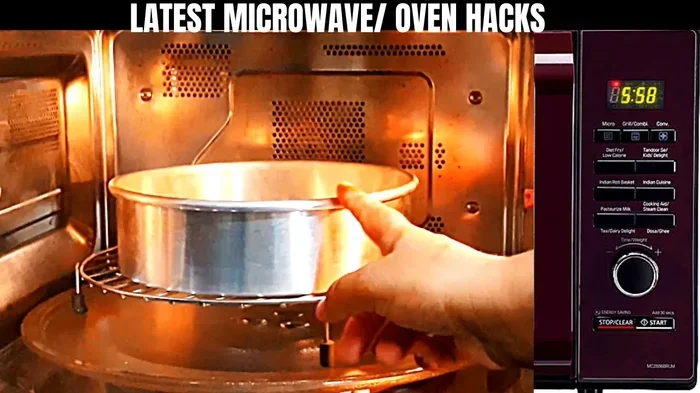
Preheating your microwave oven is a simple step that transforms your cooking experience. This guide covers everything you need to know about preheating a microwave oven, from basic steps to advanced tips for perfect results. Whether you use a standard microwave or a convection model, you will learn the right techniques, timing, and common mistakes to avoid.
Have you ever wondered why your microwave meals sometimes come out cold in the middle or soggy on the edges? The answer might be simpler than you think. Preheating your microwave oven is one of those small habits that makes a surprisingly big difference.
Many people skip this step because they think microwaves heat food instantly and evenly on their own. That is a common misconception. Just like a traditional oven, a microwave oven benefits greatly from a quick preheat. When you take those extra few minutes, your food heats more evenly, tastes better, and cooks faster.
This guide will walk you through everything you need to know about preheating a microwave oven. We will cover the basic steps, the different types of microwaves, power levels, and timing. You will also discover preheating tips that even experienced cooks sometimes overlook. By the end, you will never skip this step again.
Key Takeaways
- Preheating matters: A preheated microwave oven cooks food more evenly and reduces overall cooking time significantly.
- Know your wattage: Microwave wattage directly affects preheat time, so always check your appliance manual first.
- Use microwave-safe containers: Only microwave safe dishes should go inside during preheating to prevent accidents.
- convection microwaves preheat differently: These models combine microwave and oven heat for superior browning and crisp results.
- Avoid common mistakes: Skipping preheating, using the wrong power level, and overloading the oven are top errors home cooks make.
- Timing is everything: Most microwave ovens need only 2 to 5 minutes to preheat, depending on the setting and wattage.
- Food safety improves: Proper preheating helps reach safe internal temperatures faster, reducing the risk of foodborne illness.
📑 Table of Contents
- Why Preheating Your Microwave Oven Matters
- How To Preheat a Microwave Oven Step by Step
- Preheating Times for Different Microwave Types
- Common Mistakes When Preheating a Microwave Oven
- Advanced Preheating Tips for Better Results
- Preheating and Food Safety
- Quick Tips for Perfect Microwave Preheating
- Conclusion
Why Preheating Your Microwave Oven Matters
The Science Behind Microwave Heating
Microwaves work by sending out waves that excite water molecules in your food. This creates heat from the inside out. But when the oven is cold, those waves need extra time to build up enough energy. A preheated microwave oven has already reached the target temperature, so the energy goes straight into cooking your food.
This means even heating from the very first second. Your meals will not have those annoying cold spots or overcooked edges. The heat distribution becomes much more uniform, which is especially important for reheating leftovers and cooking dense foods.
Benefits You Will Notice Immediately
Once you start preheating, the results speak for themselves. Here are the key benefits:
- Faster cooking times: Your food starts cooking the moment it goes in, saving you precious minutes.
- Better texture: Preheating helps achieve crispier edges and more evenly cooked centers.
- Improved flavor: Even heating preserves the natural taste and moisture of your ingredients.
- Food safety: Reaching safe internal temperatures faster reduces the risk of bacteria growth.
- Energy efficiency: A preheated oven uses less total energy because cooking time decreases.
How To Preheat a Microwave Oven Step by Step
Step 1: Check Your Microwave Wattage
Before you start, find out your microwave’s wattage. This number is usually printed on the inside of the door or on the back of the unit. Microwave wattage ranges from 600 watts for compact models to 1200 watts for full-size ovens. The wattage directly affects how long preheating takes.
Lower wattage ovens take longer to preheat. Higher wattage models reach the target temperature faster. If you are unsure, check the user manual or look up the model number online. Knowing your wattage is the first and most important preheating tip for success.
Step 2: Choose the Right Power Level
Most microwaves have power level settings from 1 to 10. For preheating, you want to use a medium to high setting. Power level 7 or 8 works well for most standard microwave oven settings. If your model has a dedicated preheat function, use that for the best results.
Some advanced microwaves also offer a convection preheat mode. This combines microwave energy with a heating element for even better results. If your microwave convection oven has this feature, always choose it for preheating.
Step 3: Place a Microwave-Safe Container Inside
Here is a step many people forget. Put a microwave-safe dish or cup of water inside the oven before preheating. This helps absorb excess microwave energy and stabilizes the temperature. Use only microwave safe dishes labeled as such.
Glass and ceramic containers work great for this purpose. Avoid metal, aluminum foil, or any container with metallic trim. The water also acts as a heat buffer, which helps with steam heating and prevents hot spots from forming.
Step 4: Set the Timer and Start
For most microwaves, 2 to 3 minutes is enough for a basic preheat. If your oven runs on the lower end of the wattage scale, you might need 4 to 5 minutes. Use the microwave timer function or the clock to set the duration.
Watch for any signs that the oven has reached temperature. You might see steam or feel warmth when you open the door slightly. Some newer models have a preheat indicator light or beep when the temperature is reached. Once the preheat is complete, place your food inside immediately.
Step 5: Cook Immediately After Preheating
The whole point of preheating is to start cooking right away. Do not let the oven sit empty after it reaches temperature. The heat will dissipate quickly in a microwave oven. Place your food in the center of the turntable for the most even heating possible.
If you are reheating a large portion of food, consider stirring or rotating it halfway through cooking. This simple step ensures that every part of the meal gets the same level of heat exposure.
Preheating Times for Different Microwave Types
Standard Microwave Ovens
A standard microwave oven with 700 to 1000 watts typically needs about 2 to 3 minutes to preheat. These are the most common models found in homes and apartments. They work well for basic reheating, defrosting, and quick cooking tasks.
The preheat time for a standard microwave is relatively short compared to a full-size oven. This is one of the biggest advantages of using a microwave for everyday meals. You do not need to wait long to enjoy your food.
Microwave Convection Ovens
A microwave convection oven combines microwave energy with a fan and heating element. This creates a more traditional oven-like cooking environment. Preheat times for convection microwaves are slightly longer, usually 3 to 5 minutes.
The extra time is worth it. Convection microwaves deliver crisp results and better browning that standard microwaves cannot match. If you bake, roast, or grill frequently, a convection model is a game changer for your kitchen.
Compact and Over-the-Range Microwaves
Smaller microwave models, such as compact units and over-the-range microwaves, often have lower wattage. This means they need a bit more time to preheat. Expect around 3 to 5 minutes for these models.
Despite their size, these microwaves can still deliver excellent results when you take the time to preheat properly. The key is to be patient and not rush the process. Good microwave efficiency comes from working with your appliance, not against it.
Common Mistakes When Preheating a Microwave Oven
Skipping Preheating Entirely
The most common mistake is simply not preheating at all. Many people put cold food into a cold microwave and wonder why it heats unevenly. Skipping this step is the fastest way to end up with cold spots and overcooked edges.
Even a 2-minute preheat makes a noticeable difference. Make it a habit to always preheat, just like you would with a conventional oven. Your food will thank you for the extra effort.
Using the Wrong Power Level
Setting the power too low during preheating wastes time. Setting it too high can cause uneven temperature buildup. The sweet spot for most microwave cooking is power level 7 or 8 for preheating.
If your microwave does not have numbered power levels, use the high setting. Avoid using the defrost setting for preheating, as it is designed for a completely different purpose. The defrost settings use low, intermittent power that will not build up the heat you need.
Using Non-Microwave-Safe Containers
This mistake can be dangerous. Putting the wrong container inside during preheating can cause sparking, melting, or even fire. Always double-check that your dish or container is labeled as microwave safe.
If you are unsure about a container, do a quick test. Place it empty in the microwave alongside a cup of water. Run the microwave for one minute. If the container stays cool while the water heats up, it is microwave safe. If the container gets hot, do not use it.
Overloading the Microwave
Trying to preheat and cook too much food at once is another common error. Overloading blocks heat distribution and prevents microwave waves from reaching all parts of the food evenly.
For best results, preheat with the oven empty, then add food in a single layer when possible. If you must cook a large batch, consider doing it in two rounds. This small change makes a huge difference in the quality of your meals.
Not Accounting for Standing Time
Many foods continue to cook after you remove them from the microwave. This is called carryover cooking or standing time. When you preheat properly, the food starts at a higher temperature, so carryover cooking is more predictable.
Always let your food rest for 1 to 2 minutes after cooking. This allows the heat to distribute evenly throughout the dish. It also makes the food safer to eat and often tastes better.
Advanced Preheating Tips for Better Results
Use a Microwave Thermometer
If you want precision, consider buying a microwave thermometer. These affordable tools measure the internal temperature of your microwave oven. They take the guesswork out of preheating and help you achieve consistent results every time.
Simply place the thermometer inside with a cup of water during preheating. Once it reaches your target temperature, you know the oven is ready. This is one of the best preheating tips for serious home cooks who want perfect microwave reheating results.
Rotate Food for Even Cooking
Even with a preheated oven, some areas may still heat faster than others. Get into the habit of rotating your food halfway through the cooking time. For round dishes, give it a quarter turn. For rectangular containers, rotate 180 degrees.
This simple technique works wonders for browning in microwave cooking and ensures that every bite is the same temperature. It is especially helpful for larger meals like casseroles and baked potatoes.
Cover Your Food for Better Steam Heating
Covering your food with a microwave-safe lid or damp paper towel traps steam and helps distribute heat more evenly. The steam creates a humid environment that prevents food from drying out during cooking.
This is particularly useful when you are reheating bread, pizza, or baked goods. The steam helps restore moisture and gives you that fresh-from-the-oven feel. Just make sure to leave a small gap for steam to escape, so the lid does not build up too much pressure.
Let the Microwave Warm Up Fully
If you have not used your microwave for a while, give it an extra 30 seconds during preheating. Cold kitchen temperatures can affect how quickly the oven reaches its target heat. This small extra step ensures that the microwave temperature is fully stabilized before your food goes in.
This tip is especially helpful during winter months or in cold kitchens. The extra 30 seconds can be the difference between lukewarm food and perfectly heated meals.
Preheating and Food Safety
Proper preheating is not just about better taste and texture. It is also a food safety issue. When you preheat your preheat microwave oven, the interior reaches a temperature that helps kill surface bacteria on your food faster. This is especially important when reheating leftover meals.
The USDA recommends that reheated food reach an internal temperature of 165 degrees Fahrenheit. A preheated microwave helps you get there faster and more reliably. Cold spots in food are the most common place for bacteria to survive, and even heating eliminates that risk.
Always use a food thermometer to check the internal temperature of your meals after cooking. This is the only way to be absolutely sure your food is safe to eat. Make it a habit to check, especially when reheating meat, poultry, or seafood.
Quick Tips for Perfect Microwave Preheating
- Always preheat for at least 2 minutes before adding food to the oven.
- Use a turntable if your model has one, as it promotes even heat distribution.
- Clean the interior regularly so food splatters do not interfere with microwave energy.
- Stir liquids halfway through cooking to eliminate hot and cold spots.
- Use microwave-safe covers to lock in steam and moisture during preheating and cooking.
- Know your wattage and adjust preheat times accordingly for the best microwave efficiency.
- Never preheat with empty containers that are not microwave safe, as this can damage the oven.
Conclusion
Preheating your microwave oven is one of the easiest habits to build and one of the most rewarding. The few extra minutes it takes make a real difference in how your food tastes, looks, and feels. From faster cooking times to better texture and improved food safety, the benefits are clear and immediate.
Now that you know the proper steps, common mistakes, and advanced techniques, you are ready to get the most out of your microwave. Whether you have a standard model or a microwave convection oven, the principles remain the same. Preheat first, cook immediately, and enjoy meals that are heated evenly and taste wonderful.
Start today. The next time you reach for your microwave, take those extra two minutes to preheat. You will notice the difference in your very first meal. Once you make it a habit, you will never go back to skipping it. Your microwave oven will work smarter, not harder, and your food will reflect that change in every bite.
Frequently Asked Questions
How long does it take to preheat a microwave oven?
Most standard microwave ovens take 2 to 3 minutes to preheat. Compact models or lower-wattage units may need 4 to 5 minutes. Microwave convection ovens typically require 3 to 5 minutes because they combine microwave energy with a heating element.
Can you preheat a microwave oven without any food or water inside?
Yes, you can preheat an empty microwave oven, but placing a microwave-safe cup of water inside helps stabilize the temperature. The water absorbs excess energy and prevents hot spots from forming inside the oven cavity.
Is preheating a microwave oven really necessary?
While not strictly required, preheating makes a noticeable difference. It ensures even heating, reduces cooking time, improves food texture, and enhances food safety by reaching safe temperatures faster. It is a simple habit that elevates everyday microwave cooking.
What power level should I use to preheat a microwave oven?
Use power level 7 or 8 for most standard microwaves. If your microwave has a dedicated preheat function, use that setting. Avoid using defrost or low power settings, as they are not designed to build up the heat needed for preheating.
Can I preheat a microwave oven for baking?
Yes, preheating is especially important for baking in a microwave oven. A preheated oven provides consistent heat from the start, which is critical for baked goods. For best baking results, use the convection setting if your microwave has one.
What is the difference between preheating a microwave and a conventional oven?
A conventional oven uses heating elements to warm the air inside, and it takes longer to preheat. A microwave oven heats food directly using microwave energy, so it preheats much faster. However, both benefit from preheating for more even and efficient cooking results.