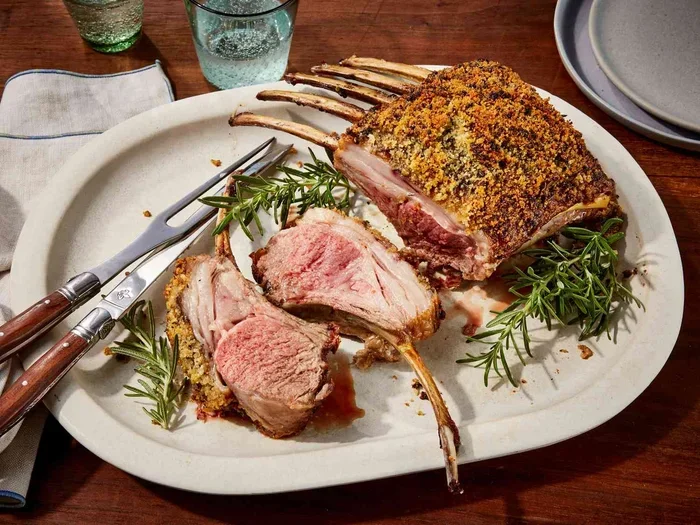
What Temp To Cook Rack Of Lamb In Oven For Perfect Results
The perfect temperature to cook rack of lamb in oven is 325°F to 400°F, depending on your crust and doneness goals. Roast at 325°F for tender, juicy meat, or sear first and roast at 400°F for a crispy exterior. This guide covers exact temps, times, and pro tips so you can serve a flawless rack of lamb every time.
Key Takeaways
- Ideal Oven Temperature: 325°F for gentle roasting or 400°F after searing for a crispy crust.
- Internal Temperature Target: 130°F for medium-rare, 140°F for medium. Always use a meat thermometer.
- Cooking Time: Plan for 20–30 minutes per pound at 325°F, less at higher heat.
- Resting is Essential: Let the lamb rest 10–15 minutes before slicing to keep juices inside.
- Searing Adds Flavor: A quick sear in a hot pan creates a delicious brown crust before oven roasting.
- Season Generously: Fresh rosemary, garlic, and lemon zest enhance the natural flavor of lamb.
- Use a Wire Rack: It allows hot air to circulate evenly around the meat for uniform cooking.
📑 Table of Contents
- What Temp To Cook Rack Of Lamb In Oven: The Complete Guide
- The Ideal Oven Temperature for Rack of Lamb
- How Long to Cook a Rack of Lamb in the Oven
- Achieving the Perfect Internal Temperature
- Step-by-Step Oven Method for Rack of Lamb
- Seasoning Ideas for a Flavorful Lamb Roast
- Common Mistakes to Avoid When Roasting Lamb
- Expert Tips for the Best Rack of Lamb
- Conclusion: The Perfect Oven Temperature for Rack of Lamb
What Temp To Cook Rack Of Lamb In Oven: The Complete Guide
When you ask what temp to cook rack of lamb in oven, you are really asking how to get that perfect pink center with a flavorful crust. Rack of lamb is a special cut that can feel intimidating, but it is actually very simple. The right oven temperature makes all the difference between dry meat and a juicy roast. Cooking rack of lamb at home is easier than you think, and the results are impressive. Whether you are preparing a holiday dinner or a special weekend meal, getting the oven temperature right is the key to success.
The beauty of a rack of lamb is its versatility. You can roast it low and slow for tender meat, or sear it first for a crispy exterior. The ideal oven temperature depends on how much time you have and what texture you prefer. This guide will walk you through every step. You will learn the exact cooking temperatures, times, and pro tips that guarantee a flawless lamb roast every time. Oven-baked lamb does not have to be complicated. With the right rack of lamb cooking temperature, you will serve a restaurant-quality dish at home.
Lamb rack cooking is all about control. A simple meat thermometer takes the guesswork out of the process. You will know exactly when the meat reaches your preferred doneness level. I will share my favorite lamb roast oven temperature settings, along with seasoning ideas and common mistakes to avoid. By the end, you will feel confident to roast a rack of lamb in your oven. Let us dive into the perfect lamb cooking temperature for your next meal.
The Ideal Oven Temperature for Rack of Lamb
The most common oven temperature for rack of lamb is 325°F. This gentle heat cooks the meat evenly without drying it out. If you prefer a darker, crispier crust, you can start at 400°F after searing. Both methods work beautifully. The choice depends on your schedule and your taste.
Why 325°F Is the Gold Standard
Roasting a rack of lamb at 325°F is the most forgiving method. The meat cooks slowly, allowing the fat to render and the fibers to stay tender. This low oven temperature gives you a wider window to pull the meat at the right moment. You are less likely to overcook it. Most chefs recommend 325°F for a perfectly pink rack of lamb.
At 325°F, a rack of lamb typically takes 20 to 30 minutes per pound. The internal temperature will rise steadily. This method is ideal when you want to set the meat and forget it for a while. The lamb fat cap melts slowly, basting the meat from within. The result is juicy, flavorful oven-baked lamb with a subtle rose center.
High-Heat Roasting at 400°F for a Crispy Crust
If you love a well-browned crust, a higher oven temperature is your friend. Roasting at 400°F after a quick sear gives you a beautiful golden shell. The high heat caramelizes the herbs and fat on the surface. This method is faster, but you must watch the meat closely.
At 400°F, the cooking time drops to about 15–20 minutes per pound. The lamb rack develops a crispy exterior while staying pink inside. This cooking temperature works best when you have already seared the meat in a hot pan. The sear locks in juices, and the hot oven finishes the job. Sear and roast rack of lamb is a popular restaurant technique that you can easily replicate at home.
| Oven Temperature | Best For | Cooking Time per Pound | Result |
|---|---|---|---|
| 325°F | Gentle, even cooking | 20–30 minutes | Tender, juicy, subtle crust |
| 400°F (after sear) | Crispy brown crust | 15–20 minutes | Crispy exterior, pink center |
How Long to Cook a Rack of Lamb in the Oven
Cooking time for a rack of lamb depends on the oven temperature and the size of the roast. A standard rack of lamb has 8 to 10 ribs and weighs about 2 to 3 pounds. At 325°F, plan for roughly 25 minutes per pound. A 2-pound rack will need about 50 minutes. A 3-pound roast may take up to 90 minutes.
Cooking Time Per Pound at Different Temperatures
- 325°F: 20–30 minutes per pound. Best for set-and-forget roasting.
- 400°F (post-sear): 15–20 minutes per pound. Faster, with a crispy crust.
- 350°F (middle ground): 18–25 minutes per pound. A good compromise.
These times are estimates. The true indicator is the internal temperature. A meat thermometer is the only way to know for sure. The lamb rack will continue to cook after you remove it from the oven. This is called carryover cooking, and it can raise the temperature by 5–10 degrees.
Resting the Meat: Why It Matters
Resting rack of lamb is just as important as the cooking temperature. When you take the meat out of the oven, let it sit for 10–15 minutes before cutting. This allows the juices to redistribute. If you slice too early, the juices run out, and the meat dries out. Lamb resting time ensures a moist, tender bite every time.
Place the rack of lamb on a warm platter and tent it loosely with foil. The foil holds the heat in without trapping too much steam. You can use this resting time to make a quick pan sauce or prepare your sides. Resting lamb is a simple step that makes a big difference.
Achieving the Perfect Internal Temperature
The internal temperature of your rack of lamb tells you exactly how done the meat is. Lamb doneness is a matter of personal preference. Some people love a cool, pink center, while others prefer a more well-done roast. Knowing the target numbers helps you cook with confidence.
Medium-Rare vs. Medium vs. Well-Done
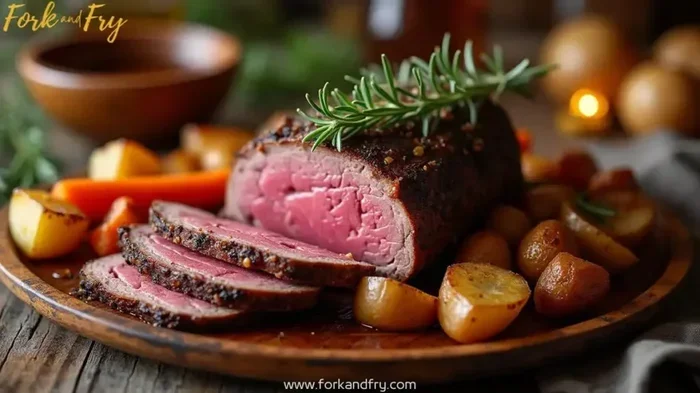
For a classic rack of lamb, medium-rare is the gold standard. The internal temperature should be 130°F when you pull it from the oven. The meat will be bright pink and juicy in the center. Medium is 140°F, with a slightly firmer texture. Well-done is 155°F and above, but this can dry out the lamb roast.
Remember that the temperature will rise during resting. Pull the rack of lamb out 5–10 degrees before your target. So for medium-rare, pull at 125°F. For medium, pull at 135°F. The carryover cooking will bring it up to the perfect doneness level.
Using a Meat Thermometer
A meat thermometer is the single best tool for roasting lamb. Insert it into the thickest part of the meat, away from the bone. Do not touch the bone, as it conducts heat and gives a false reading. Digital instant-read thermometers are fast and accurate. They take the guesswork out of oven-baked lamb.
If you do not have a thermometer, you can use the touch test. Press the center of the meat with your finger. For medium-rare, it should feel soft and springy, like the base of your thumb when your hand is relaxed. For medium, it feels firmer. But the thermometer is far more reliable, especially for beginners.
Step-by-Step Oven Method for Rack of Lamb
Here is a simple, reliable method for roasting rack of lamb in the oven. Follow these steps for a perfect roast every time.
Searing the Rack First
Start by patting the lamb rack dry with paper towels. Season it generously with salt and pepper. Heat a heavy skillet over medium-high heat and add a little oil. Sear the rack of lamb on all sides until you get a deep brown crust. This should take about 2–3 minutes per side. Searing lamb builds flavor through the Maillard reaction, which creates those delicious brown bits.
After searing, transfer the rack to a wire rack set over a baking sheet. The wire rack allows air to flow underneath, so the bottom cooks evenly. This is a small step that makes a big difference in the final oven-baked lamb.
Roasting and Basting
Place the rack of lamb in a preheated oven at 325°F or 400°F, depending on your preference. Roast until the internal temperature is 5–10 degrees below your target. For medium-rare, pull at 125°F. Baste the meat with the pan juices every 15 minutes. This adds flavor and helps the surface brown evenly.
When the lamb roast reaches the right temperature, take it out and let it rest. The resting time is crucial. Do not skip it. After resting, carve between the ribs into individual chops. Serve with your favorite sides. Roasted rack of lamb is a showstopper dish that will impress your guests.
Quick Tips
- Always bring the lamb to room temperature before roasting. Take it out of the fridge 30–45 minutes early.
- Use a wire rack to promote even air circulation around the meat.
- Let the rack of lamb rest for at least 10 minutes before slicing.
- Save the pan drippings for a quick gravy or jus.
- Fresh rosemary and garlic are classic lamb seasonings that never fail.
Seasoning Ideas for a Flavorful Lamb Roast
The natural flavor of rack of lamb is rich and slightly gamey. A simple seasoning lets that flavor shine. You can keep it classic or get creative with herbs and spices.
Classic Herb Crust
A traditional lamb herb crust uses rosemary, thyme, and garlic. Mix chopped fresh herbs with olive oil, lemon zest, salt, and pepper. Rub this mixture all over the lamb rack, including the fat cap. The fat melts during roasting, carrying the herb flavors deep into the meat. This classic lamb seasoning is timeless and foolproof.
Garlic and Rosemary
For a more intense flavor, use whole garlic cloves and sprigs of rosemary. Tuck them between the ribs of the rack of lamb. As the meat roasts, the garlic becomes sweet and mellow, and the rosemary infuses the fat. This garlic lamb aroma will fill your kitchen and make everyone hungry.
Other great seasoning ideas include Dijon mustard, mint, oregano, and smoked paprika. A drizzle of honey or maple syrup on the crust before roasting adds a subtle sweetness. The lamb fat cap is your best friend here. It bastes the meat and crisps up into a delicious crackling.
Common Mistakes to Avoid When Roasting Lamb
Even with a great recipe, small mistakes can ruin a rack of lamb. Knowing what to avoid will save you from dry, overcooked meat.
Overcooking the Lamb
The most common mistake is cooking the rack of lamb too long. Overcooked lamb becomes tough and dry. Always use a meat thermometer and pull the meat early. Remember the carryover cooking that happens during resting. If you wait for the internal temperature to hit the final number in the oven, the meat will be well-done and dry.
Another cause of overcooking is a too-high oven temperature. While a hot oven gives a nice crust, it can easily scorch the outside before the inside is done. Stick to 325°F for a gentle, even roast, or sear first and then roast at 400°F for a shorter time.
Skipping the Rest
Cutting into the lamb rack immediately after it comes out of the oven is a big mistake. The resting time allows the muscle fibers to relax and reabsorb juices. Without resting, those juices spill out onto the cutting board, leaving you with dry meat. Lamb resting time should be at least 10 minutes. Tent loosely with foil to keep the heat in.
Not Seasoning Enough
Lamb has a strong flavor, but it still needs salt. Many people under-season their rack of lamb. Salt draws out moisture initially, but during roasting, it enhances the meat’s natural taste. Season generously just before roasting, and do not be shy with pepper and herbs. Seasoning rack of lamb is a simple step that elevates the dish.
Expert Tips for the Best Rack of Lamb
Professional chefs use a few tricks that make their lamb roast stand out. Here are some expert insights you can use at home.
Let the Lamb Come to Room Temperature
Never put a cold rack of lamb straight into a hot oven. Cold meat cooks unevenly, with the outside overcooking while the center stays raw. Take the lamb out of the refrigerator 30–45 minutes before cooking. This small step ensures a more even cooking temperature throughout the meat.
Use a Wire Rack for Even Airflow
Roasting the rack of lamb directly on a baking sheet traps steam underneath. That can make the bottom soggy. A wire rack elevates the meat and allows hot air to circulate all around it. The result is an evenly browned lamb rack with a crispy exterior on all sides.
Add Aromatics to the Pan
Toss a few onion wedges, carrot chunks, and garlic cloves into the bottom of the roasting pan. As the lamb roasts, these vegetables release steam and aroma. The pan drippings become a flavorful base for gravy. This is an easy way to add depth to your oven-baked lamb without extra effort.
Try a Herb Butter Finish
For an extra-rich lamb roast, make a compound butter with fresh herbs, garlic, and a squeeze of lemon. Once the rack of lamb is done resting, press a knob of this butter over the hot meat. It melts into the crevices and adds a glossy, flavorful finish. This restaurant trick is simple and impressive.
Conclusion: The Perfect Oven Temperature for Rack of Lamb
What temp to cook rack of lamb in oven comes down to choosing the right oven temperature for your goals. For a tender, juicy roast, 325°F is the safest and most forgiving choice. If you want a crispy crust, sear first and roast at 400°F. Always aim for an internal temperature of 130°F for medium-rare, and remember to let the meat rest for 10–15 minutes.
Roasting a rack of lamb is a rewarding experience. With the right cooking temperature, a meat thermometer, and a little patience, you can serve a stunning lamb roast that rivals any restaurant. Do not be afraid to experiment with seasonings and herb crusts. The more you roast rack of lamb, the more confident you will become. Use this guide as your starting point, and you will master oven-baked lamb in no time. Enjoy the process, and savor every delicious bite.
Frequently Asked Questions
What is the best oven temperature for a rack of lamb?
The best oven temperature for rack of lamb is 325°F for gentle, even roasting. If you prefer a crispy crust, sear the meat first and then roast at 400°F. Both methods produce excellent results when paired with a meat thermometer.
How long does it take to cook a rack of lamb in the oven?
At 325°F, plan for 20–30 minutes per pound. A 2-pound rack of lamb will take about 50 minutes. The exact cooking time depends on your oven temperature and the size of the roast. Always check the internal temperature for doneness.
What internal temperature is considered medium-rare for rack of lamb?
Medium-rare rack of lamb has an internal temperature of 130°F when you pull it from the oven. The temperature will rise 5–10 degrees during resting, reaching 135–140°F. This gives you a juicy, pink center.
Should I sear rack of lamb before roasting?
Yes, searing adds a flavorful brown crust and locks in juices. Heat a skillet over medium-high heat, add oil, and sear the lamb rack on all sides for 2–3 minutes per side. Then transfer it to the oven for roasting.
How long should rack of lamb rest before carving?
Let the rack of lamb rest for 10–15 minutes after removing it from the oven. Tent it loosely with foil to keep the heat in. Resting lamb allows the juices to redistribute, resulting in a moist, tender bite.
Can I cook a rack of lamb at 350°F?
Yes, 350°F is a good middle-ground oven temperature. It cooks slightly faster than 325°F but still produces tender meat. Adjust the cooking time to about 18–25 minutes per pound, and use a meat thermometer to monitor the internal temperature.