How Long To Heat Oven To 375 For Perfect Results Today
Learning how long to heat oven to 375 is essential for consistent baking success. Most ovens take 10 to 15 minutes to reach 375 degrees Fahrenheit, but several factors can change that time. This guide covers everything from preheat basics to pro tips for perfect results every time you bake.
Ever slid your favorite brownies or cookies into the oven only to wonder if it was hot enough yet? The question of how long to heat oven to 375 comes up more often than you might think. Whether you are baking a simple weeknight dinner or preparing a show-stopping cake, getting the temperature right is the foundation of great results.
Preheating to 375 degrees Fahrenheit is one of the most common baking tasks. It is the sweet spot for cookies, casseroles, roasted vegetables, and so many other dishes. But preheating is not just about waiting. It is about understanding your oven, knowing what affects the process, and making sure you are doing it correctly every single time.
This guide will walk you through everything you need to know. From basic preheat times to the science behind oven heating, you will find practical advice you can use right away. Let us dive in and make sure your next bake comes out perfectly.
Key Takeaways
- Average preheat time: Most ovens need 10 to 15 minutes to reach 375°F.
- Oven type matters: Convection ovens preheat faster than conventional models.
- Oven thermometer is key: Built-in thermostats can be inaccurate by 25°F or more.
- Rack position affects results: Center rack ensures even heat distribution.
- Avoid opening the door: Every peek drops the temperature by 25 to 50 degrees.
- Patience pays off: Giving your oven full preheat time prevents uneven baking.
- Calibration helps: Regular oven calibration keeps your 375°F setting accurate.
📑 Table of Contents
- Why Preheating to 375 Degrees Matters
- How Long Does It Take to Heat an Oven to 375?
- Factors That Affect How Long It Takes to Preheat
- Best Practices for Baking at 375 Degrees
- Common Mistakes People Make When Preheating to 375°F
- Expert Insights on Oven Preheat and Baking at 375°F
- Key Takeaways
- Conclusion
Why Preheating to 375 Degrees Matters
Preheating is not just a step you skip when you are in a hurry. It sets the stage for how your food cooks. When you place food into a cold or lukewarm oven, the cooking process starts unevenly. The outside may burn while the inside stays raw.
Baking at 375°F works so well because it is a moderate-to-high temperature. It cooks food fast enough to develop a nice crust or golden brown top, but not so fast that it burns on the outside before the inside is done. Think of it as the Goldilocks zone for baking.
The Science Behind Preheat Time
When you turn on your oven, the heating element starts working to raise the air temperature inside the cavity. But the oven walls, racks, and even the baking pan absorb heat too. This is called thermal mass. All of these parts need to warm up before the oven truly reaches 375 degrees.
Your oven’s thermostat senses air temperature, not the temperature of the walls or racks. So even when the air hits 375°F, the other components may still be warming up. This is why waiting an extra few minutes after the preheat signal goes off can make a real difference in your baking results.
What Happens If You Skip Preheating?
Skipping preheat might save a few minutes, but it costs you quality. Food placed in a cold oven starts cooking slowly at first. This can lead to:
- Uneven baking: The edges dry out while the center stays undercooked.
- Poor rise: Cakes and breads rely on a hot start to activate leavening agents properly.
- Longer cook times: The oven has to catch up, which changes the texture of your dish.
- Soggy bottoms: Pies and pastries need a hot oven from the start for a crisp base.
So the next time you ask yourself how long to heat oven to 375, remember that the wait is worth it. Good preheating is the secret ingredient in great baking.
How Long Does It Take to Heat an Oven to 375?
The short answer is usually between 10 and 15 minutes. But the full answer depends on several things. Let us break it down so you know exactly what to expect.
Average Preheat Times by Oven Type
Different ovens behave differently. Here is a general idea of what to expect:
- Standard conventional ovens: 12 to 15 minutes to reach 375°F
- Convection ovens: 8 to 12 minutes, thanks to the fan that circulates hot air
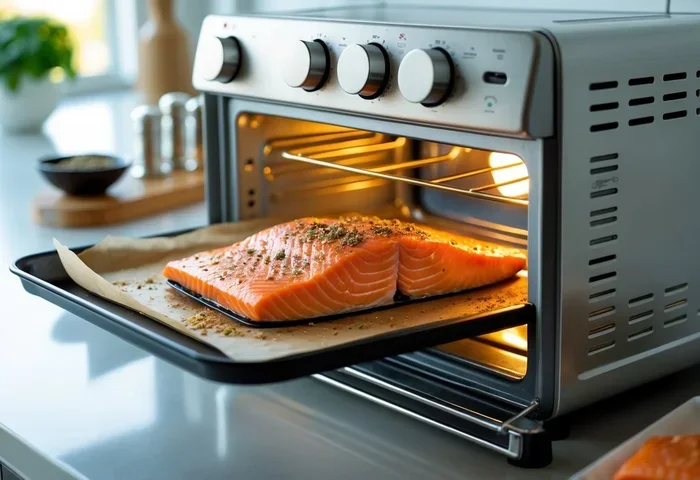
- Toaster ovens: 5 to 8 minutes because of the smaller interior space
- Older or less efficient ovens: 15 to 20 minutes, especially if the insulation is worn
These times assume your oven starts at room temperature, which is around 70°F. If your kitchen is cold, like during winter, it may take a few extra minutes. Similarly, if your oven was just used and is still warm, it will reach 375°F faster.
How to Know When Your Oven Is Ready
Most modern ovens beep or flash a light when they hit the target temperature. But here is the thing: that signal means the air temperature has reached 375°F. It does not mean everything inside is fully heated yet.
For best results, wait an additional 5 minutes after the preheat signal. This gives the oven walls and racks time to absorb heat. Think of it as letting the oven “settle” into the right temperature. This small extra wait can noticeably improve your baking outcomes.
Quick Tips for Accurate Preheat Timing
- Start preheating early: Get the oven going before you finish preparing your food.
- Use an oven thermometer: Built-in thermostats can be off by 10 to 25 degrees.
- Keep the door closed: Opening it releases heat and adds 3 to 5 minutes to preheat time.
- Clear the oven: A cluttered oven with foil or pans blocks heat circulation.
Factors That Affect How Long It Takes to Preheat
If you have ever noticed that your oven sometimes preheats faster than other times, you are not imagining things. Several real factors change the preheat time for 375°F baking. Understanding these helps you plan better and get consistent results.
Oven Size and Insulation
Larger ovens take more energy and time to heat up. A full-size range oven with thick insulation holds heat well but takes longer to warm. Compact ovens and toaster ovens heat up quickly but may lose temperature faster when the door opens.
The age of your oven also matters. Older models may have worn insulation or less efficient heating elements. If your oven takes significantly longer than the average times listed above, it might be worth checking the insulation or considering a replacement.
Starting Temperature
Where your oven starts from makes a big difference. A room-temperature oven in a warm kitchen preheats faster than an oven in a cold garage or basement. In winter months, preheat times can increase by 2 to 5 minutes.
If you have been using your oven right before, it will already be warm. But if it has been off for hours, plan for a full preheat cycle.
Oven Calibration and Accuracy
This is one of the most overlooked factors. Many ovens run hot or cold compared to what the dial says. A oven set to 375°F might actually be at 350°F or 400°F. Over time, this throws off your baking and cooking results.
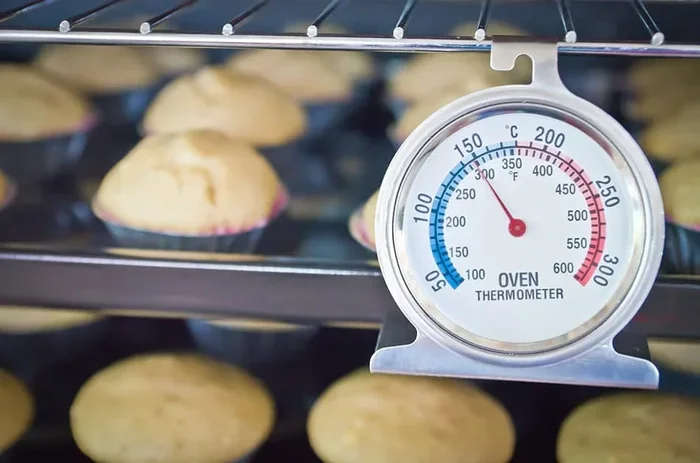
An oven thermometer is an inexpensive tool that solves this problem. Place it inside your oven and compare the reading to the dial. If there is a big difference, you can adjust your cooking temperature or get the oven recalibrated.
Rack Position and Airflow
Where you place the oven rack affects how evenly and quickly the oven heats. The center rack position allows the best heat distribution for most baking at 375°F. Racks placed too high or too low can create hot spots or block airflow.
Also, avoid lining the bottom of the oven with foil unless your manual says it is okay. Foil can block heat from the bottom element and slow down preheating.
Convection vs Conventional: Which Is Faster?
Convection ovens use a fan to move hot air around the cavity. This means the heat reaches all surfaces faster and more evenly. When it comes to preheating to 375°F, convection ovens typically beat conventional ovens by a few minutes.
However, convection ovens can also dry out food faster if you are not careful. When baking at 375°F in a convection oven, you might want to reduce the temperature by 25°F to avoid over-browning. That means setting it to 350°F for the same results as a conventional oven at 375°F.
Best Practices for Baking at 375 Degrees
Now that you know how long to heat oven to 375, let us talk about how to get the most out of that temperature. Baking at 375°F is incredibly versatile, but small mistakes can still ruin a great recipe.
Placement Matters
Always place your food on the center rack for even cooking. The top rack gets more direct heat from the top element, which can cause the top to brown too fast. The bottom rack is closer to the heating element and can burn the bottom of pies and bread.
If you are baking multiple trays, rotate them halfway through cooking. This compensates for any hot spots and ensures everything bakes evenly.
Use the Right Pan Material
The material of your baking pan affects how your food responds to 375°F heat:
- Aluminum pans: Heat up quickly and distribute heat evenly. Great for cookies and cakes.
- Dark-colored pans: Absorb more heat and can cause faster browning. Reduce temperature by 25°F.
- Glass pans: Take longer to heat but retain heat well. Good for casseroles and baked pasta.
- Stainless steel: Durable but can create hot spots unless it has an aluminum or copper core.
Timing Your Baking Accurately
Once your oven reaches 375°F and you put your food in, the clock starts. But remember that opening the door to check on your food drops the temperature. Each peek can lower the oven temperature by 25 to 50 degrees.
Use the oven light to check on your food whenever possible. Set a timer so you do not feel the urge to keep checking. Trust the process and let the oven do its job.
Adjusting for High-Altitude Baking
If you live at a high altitude, baking at 375°F may need adjustments. The lower air pressure at high altitudes causes liquids to evaporate faster and leavening gases to expand more quickly. Common adjustments include:
- Increasing oven temperature by 15 to 25 degrees
- Reducing baking time slightly
- Adding extra liquid to the recipe
- Reducing sugar and increasing flour
These adjustments help you get the same great results at high altitude that you would get at sea level.
Common Mistakes People Make When Preheating to 375°F
Even experienced bakers sometimes make preheating mistakes. Here are the most common ones and how to avoid them.
Not Waiting Long Enough
The biggest mistake is putting food in the oven the moment it beeps. As we discussed, the air might be at 375°F but the walls and racks are not fully heated yet. Give your oven that extra 5 minutes for the best results.
Overcrowding the Oven
Packing too much food into the oven blocks airflow and slows down preheating. If you need to bake multiple items, consider doing them in batches. Overcrowding also leads to uneven cooking and soggy results.
Ignoring the Oven Thermometer
Many people trust the oven dial completely. But as mentioned earlier, built-in thermostats can be surprisingly inaccurate. A simple oven thermometer takes the guesswork out of preheating and baking.
Preheating With the Door Open
Some people leave the oven door open while it preheats, thinking it helps it heat faster. This actually wastes energy and extends the preheat time. Keep the door closed and let the oven do its job.
Forgetting to Turn the Oven Off
This sounds silly, but it happens more than you would think. Always double-check that the oven is set to the correct temperature before you start preheating. Setting it to 475°F instead of 375°F can burn your food in minutes.
Expert Insights on Oven Preheat and Baking at 375°F
Professional bakers have a few tricks up their sleeves when it comes to preheating to 375 degrees. Here is what the experts want you to know.
Chef Maria Torres, a professional pastry chef with over 15 years of experience, always recommends preheating for at least 15 minutes. She says, “The first few minutes after the preheat signal are when the oven is still stabilizing. Giving it that extra time makes a noticeable difference in how evenly your food bakes.”
Tom Reynolds, a home cooking instructor, suggests using a baking stone or steel if you are baking bread or pizza. He explains, “A preheated stone acts like a heat battery. It stores heat and releases it the moment you put your dough in. This mimics the environment of a professional pizza oven right in your kitchen.”
Another expert tip from baking instructor Lisa Chen: “When you are baking cookies at 375°F, chill your dough for at least 30 minutes before baking. This prevents the cookies from spreading too much and gives you thicker, chewier results.”
When to Adjust the 375°F Temperature
Not every recipe calls for exactly 375°F. Here are situations where you might need to adjust:
- Thick or dense foods: Lower to 350°F and bake longer for even cooking through the center.
- Crispy textures: Increase to 400°F for the last 5 to 10 minutes to get a golden, crunchy finish.
- Delicate baked goods: Stick to 350°F to prevent over-browning on the edges.
- Frozen foods: Some frozen items call for 375°F but may need 5 extra minutes since they start cold.
Understanding when to deviate from 375°F gives you more control over your baking outcomes and helps you troubleshoot when things do not turn out quite right.
Key Takeaways
- Preheat time averages 10 to 15 minutes: Most ovens reach 375°F within this window.
- Convection ovens preheat faster: The fan helps distribute heat more quickly.
- Wait 5 extra minutes after the beep: This lets the oven walls and racks fully absorb heat.
- Use an oven thermometer: Built-in thermostats are often inaccurate by 10 to 25 degrees.
- Center rack is best: It provides the most even heat distribution for baking at 375°F.
- Avoid opening the door: Each peek drops the temperature and adds time to cooking.
- Patience and consistency win: Good preheating habits lead to better baking every time.
Conclusion
Knowing how long to heat oven to 375 is one of those small things that makes a big difference in your cooking. The average preheat time is 10 to 15 minutes, but the real secret is understanding your specific oven and giving it the time it needs to fully heat up.
From the type of oven you own to rack placement and oven calibration, every detail plays a role in getting consistent, delicious results. The tips and insights in this guide give you everything you need to preheat like a pro and bake with confidence.
Next time you are about to bake something at 375°F, take that extra few minutes to let your oven fully preheat. Trust the process, use an oven thermometer, and resist the urge to open the door too often. Your food will taste better, look better, and cook more evenly. Happy baking!
Frequently Asked Questions
How long does it take to preheat an oven to 375°F?
Most ovens take 10 to 15 minutes to preheat to 375°F. Convection ovens are faster at 8 to 12 minutes, while older or less efficient models may take up to 20 minutes. Always wait an extra 5 minutes after the preheat signal for the best results.
Can I put food in the oven before it reaches 375°F?
It is best to wait until the oven fully preheats. Putting food in a cold or partially heated oven leads to uneven cooking, poor texture, and longer overall cook times. The extra waiting time is worth the better results.
Why does my oven take longer than 15 minutes to preheat?
Several factors can slow down preheat time, including older insulation, a cold kitchen, overcrowded oven space, or a less powerful heating element. Using an oven thermometer can also reveal if your oven is running cold and needs more time to reach the target temperature.
Do I need an oven thermometer if my oven has a built-in display?
Yes, even ovens with digital displays can be inaccurate by 10 to 25 degrees. An oven thermometer is a cheap and simple tool that takes the guesswork out of preheating and helps you bake at exactly 375°F every time.
Should I use convection or conventional mode for baking at 375°F?
Conventional mode works well for most recipes designed for 375°F. If using convection mode, reduce the temperature by 25°F to 350°F to prevent over-browning. Convection is great for faster preheating and more even heat distribution.
What is the best rack position for baking at 375°F?
The center rack position provides the most even heat distribution for baking at 375°F. It keeps your food away from the top and bottom heating elements, reducing the risk of burning or uneven browning.