Why Is An Oven Called A Range And How Did It Get That Name
The term range comes from the early days of cooking, when a single appliance combined multiple cooking functions into one “range” of options. A kitchen range originally included both an oven and a cooktop, giving home cooks a full set of tools in one unit. Understanding this history helps explain why we still use the word today, even as appliances have changed dramatically over the past century.
Key Takeaways
- The word range dates back to early cooking technology that combined multiple functions into one appliance.
- Historical cooking equipment evolved from wood-burning setups to modern gas and electric models.
- A range includes both an oven and a cooktop, which is why the two terms are often confused.
- The term stuck because it perfectly described the variety of cooking methods available in one unit.
- Modern kitchen ranges now include smart features, convection heating, and sleek designs.
- Understanding range vs oven helps you shop for the right appliance for your home.
- The history of the range reflects the broader story of home cooking and kitchen design evolution.
📑 Table of Contents
The Surprising Origin Of The Word Range
Have you ever stopped to wonder why is an oven called a range? It is a question most people never think to ask. Yet the answer reveals a rich and fascinating history. The word range has been part of kitchen vocabulary for centuries. It tells a story about how people cooked food long before modern appliances existed.
The term range originally referred to a set of cooking devices grouped together. In the old days, a single kitchen setup included multiple heating elements. These covered a wide range of cooking methods. A cook could bake, roast, broil, and simmer all on one unit. That variety is exactly where the name comes from. The word range means a broad scope or set of options. And early cooking appliances delivered just that.
Today, the term kitchen range is still widely used around the world. It has become a standard part of appliance terminology. But the original meaning is often lost. Most people think of a range as simply a fancy word for an oven. In reality, the history is much deeper and more interesting than that. Let us take a closer look at how this term came to be.
What Does Range Mean In The Kitchen Context
The word range has several meanings in English. But in the kitchen, it refers to a complete cooking appliance. A range combines an oven with a stovetop or cooktop. This gives the user many cooking options in one place. Think of it as a full kitchen station. You can fry, boil, bake, and roast all on the same unit.
The term also hints at the old meaning of the word. Range once meant a series or sequence of things. When applied to cooking, it described the full series of heat levels and methods available. A single range could handle low simmering and high searing. It covered a wide range of temperatures and techniques. That is a key part of why the name stuck around for so long.
Even today, appliance makers use the word range in product names. You will see terms like freestanding range, slide-in range, and professional range. Each one refers to a full cooking unit with an oven and cooktop. The language has stayed consistent, even as the technology has changed completely.
The Early Days Of Cooking Appliances
Before the modern range existed, cooking was very different. Early humans cooked over open fires. They used simple hearths and stone ovens. As homes became more structured, so did kitchens. By the 1700s and 1800s, cooking equipment started to look more familiar. Wood-burning stoves became common in many households.
These early stoves were bulky and heavy. They burned wood or coal to produce heat. The fire heated a series of iron surfaces. Cooks could place pots on different parts of the stove. Each area offered a different level of heat. This setup was one of the first examples of what we now call a range. The variety of cooking surfaces covered a full range of tasks.
By the mid-1800s, inventors began experimenting with gas power. The first gas stoves appeared in the 1820s. They offered more control over heat levels. A gas flame could be adjusted up or down easily. This was a huge step forward from wood-burning stoves. The gas stove soon became the new standard in many homes.
How The Kitchen Range Evolved Over Time
The journey from a simple wood stove to today’s high-tech range is remarkable. Each era brought new innovations. These changes shaped the way we cook and the language we use. The word range grew with the technology. It adapted to new fuel sources and cooking methods.
From Wood-Burning To Gas Power
The shift from wood to gas was a turning point in kitchen history. Gas ranges offered cleaner, more controlled cooking. No more hauling wood or dealing with ash. A simple knob controlled the flame size. This made cooking more convenient and safer. Gas ranges quickly gained popularity in cities and towns.
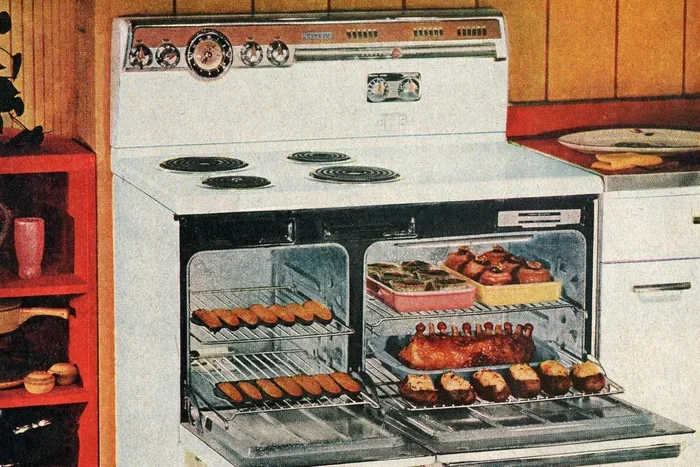
By the late 1800s, gas ranges were a common sight in American kitchens. They featured an oven for baking and a cooktop for stovetop cooking. The combination of these two functions in one unit reinforced the name range. Users could access a full range of cooking methods with one appliance.
Gas ranges also changed the layout of kitchens. The appliance became a central fixture. Kitchens were designed around the range. This trend continues today, even as fuel sources have expanded. The range remains the heart of most kitchens around the world.
The Rise Of The Electric Range
The early 1900s brought another major shift. Electric ranges entered the market. At first, they were slow to catch on. Many homes did not have reliable electricity yet. But as power grids expanded, electric ranges became more popular. They offered a cleaner alternative to gas. There was no open flame or gas smell to worry about.
Electric ranges use heating elements to generate heat. These elements are built into the oven and the cooktop. The technology has improved a lot over the decades. Modern electric ranges offer precise temperature control. Many models now include convection fans and smart features.
Despite the technology differences, the name range stayed the same. Whether gas or electric, the appliance still offers a full range of cooking options. The term has proven durable and versatile. It has survived many changes in kitchen appliance history.
Range Vs Oven: Understanding The Difference
One of the most common points of confusion is range vs oven. Many people use these terms interchangeably. But they actually refer to different things. Understanding the distinction helps when shopping for kitchen appliances.
An oven is just the enclosed compartment used for baking and roasting. It is the box that gets hot. A range, on the other hand, includes the oven plus the cooktop. The cooktop is the flat surface with burners or heating zones. So every range has an oven, but not every oven is part of a range.
Think of it this way. A wall oven is an oven that is installed alone in a cabinet. It has no cooktop attached. A freestanding range includes both the oven and the cooktop in one unit. When you ask why is an oven called a range, this distinction is at the heart of the answer.
Why The Two Terms Get Mixed Up
The confusion between range and oven comes from everyday use. In casual conversation, most people say oven when they mean the whole appliance. This is especially common in American English. The word oven has been part of the kitchen vocabulary for a very long time. It feels natural and familiar.
In many households, the range is simply called the oven. People say they are going to turn on the oven when they really mean the cooktop. Or they say the oven is broken when the whole appliance stops working. This loose usage has blurred the lines between the two terms.
However, in professional and retail settings, the distinction matters more. Kitchen designers and appliance buyers use the terms carefully. They know that a range refers to the complete unit. This knowledge helps when planning a kitchen layout or replacing an old appliance.
How A Range Works: The Mechanics Inside
Understanding how a range works can deepen your appreciation for this everyday appliance. Whether you have a gas range or an electric range, the basic principles are similar. Heat is generated and controlled to cook food safely and evenly.
Gas Range Components
A gas range uses natural gas or propane as its fuel source. The gas flows through burners on the cooktop. Each burner has a valve that controls the flame size. When you turn the knob, gas is released and ignited. The flame heats the pot or pan placed on top.
The oven in a gas range uses a different heating method. A gas burner is located at the bottom of the oven cavity. It heats the air inside the oven. A thermostat monitors the temperature and adjusts the flame as needed. This keeps the oven at the set temperature for baking and roasting.
Gas ranges are popular for their instant heat control. You can adjust the flame in seconds. Many professional chefs prefer gas for this reason. The responsive control makes cooking feel more intuitive and direct.
Electric Range Components
An electric range uses electricity to generate heat. On the cooktop, electric coils or smooth glass-ceramic elements heat up. These elements glow red when they are hot. The heat transfers directly to the cooking vessel above.
In the oven, electric heating elements are located at the top and bottom. These elements cycle on and off to maintain the desired temperature. Many modern electric ranges also include a convection fan. The fan circulates hot air throughout the oven cavity. This promotes even cooking and faster baking times.
Electric ranges are known for their ease of cleaning. Smooth cooktop surfaces wipe down quickly. There are no burners or grates to remove. This makes electric ranges a popular choice for busy households.
The Modern Kitchen Range Today
Today’s kitchen range is a far cry from the wood-burning stoves of the past. Modern ranges combine advanced technology with sleek design. They are more efficient, safer, and more versatile than ever before. The range has evolved to meet the demands of contemporary home cooking.
Smart Ranges And New Technology
Smart technology has transformed the modern range. Many new models connect to Wi-Fi and can be controlled with a smartphone app. You can preheat your oven from the couch. You can monitor cooking temperatures remotely. Some ranges even use sensors to detect food moisture and adjust cooking settings automatically.
Voice control is another exciting feature. Smart speakers allow you to adjust the heat with a simple voice command. This hands-free operation makes multitasking in the kitchen easier. It is a great example of how kitchen appliance history continues to evolve.
Induction cooktops are also changing the game. Induction technology uses magnetic fields to heat the pan directly. The cooktop surface stays relatively cool. This makes induction ranges safer and more energy-efficient. They are rapidly gaining popularity among home cooks.
Choosing The Right Range For Your Kitchen
When shopping for a new range, there are several factors to consider. Think about your cooking habits and kitchen layout. Do you prefer gas or electric? Do you need a freestanding range or a slide-in model? These decisions affect both performance and kitchen design.
Size matters too. Measure your kitchen space before you start shopping. A range that is too large or too small can cause problems. Consider the number of burners you need. Think about whether you want extra features like a warming drawer or a built-in griddle.
Budget is another important factor. Ranges come in a wide price range. Basic models are affordable and reliable. High-end options offer premium features and professional-grade performance. Set a budget and stick to it. This helps you narrow down your choices and find the best value.
Fun Facts About Kitchen Ranges
The history of the kitchen range is full of surprises. Here are some fun facts that highlight how far cooking appliances have come.
The first patented range in the United States dates back to the 1800s. It was a wood-burning model that combined an oven and cooktop. This invention revolutionized home cooking. It made the range a central fixture in kitchens across the country.
The word range has roots in Old French. It comes from the word ranger, which means to arrange or set in order. This makes sense when you think about how a range organizes all your cooking tools in one place. The name is a perfect fit for this versatile kitchen appliance.
In the early 1900s, ranges were often fueled by coal or wood. Gas ranges became popular in the 1920s and 1930s. Electric ranges followed in the 1930s and 1940s. Each new fuel source brought improvements in convenience and control. The evolution of the range reflects the broader story of modern home cooking.
Today, the range is one of the most used appliances in any kitchen. It serves as the primary cooking station for millions of households. Despite all the technological changes, the basic concept remains the same. A range provides a full range of cooking methods in one convenient unit.
The next time you use your oven or cooktop, take a moment to appreciate the history behind the name. The term range carries centuries of innovation and tradition. It is a reminder of how far kitchen appliance history has come. And it shows no signs of slowing down anytime soon.
Whether you are a casual home cook or a serious foodie, understanding why is an oven called a range adds a new layer of appreciation. It connects you to the generations of cooks who came before you. They relied on these appliances to feed their families and create memorable meals. The range remains a cornerstone of the modern kitchen. And its name continues to reflect its core purpose. To provide a full range of cooking possibilities in one reliable appliance.
Frequently Asked Questions
Is a range the same thing as an oven?
Not exactly. A range includes both an oven and a cooktop in one unit. An oven is just the enclosed compartment used for baking and roasting. The terms are often used interchangeably in everyday conversation, but they refer to different things. When you buy a range, you get both functions in a single appliance.
Why do people still call it a range today?
The term has been used for centuries and has become standard kitchen vocabulary. It describes the full range of cooking methods available in one appliance. The name stuck because it is accurate and widely understood. Even as technology has changed, the word range has remained the go-to term for a complete cooking unit with an oven and cooktop.
What fuel sources do modern ranges use?
Modern ranges come in two main types. Gas ranges use natural gas or propane for fuel. Electric ranges use electricity to power heating elements. Some models now also use induction technology. Each fuel source offers different benefits in terms of heat control, efficiency, and ease of use.
Can you install a range in any kitchen?
Most kitchens can accommodate a standard range. You need the right hookups for gas or electricity. Freestanding ranges are the most flexible and fit most kitchen layouts. Slide-in ranges require a specific cabinet cutout. Always check your kitchen dimensions and utility connections before purchasing a new range.
What is the difference between a freestanding range and a slide-in range?
A freestanding range stands on its own with exposed sides and controls on the back. A slide-in range is designed to fit flush with kitchen cabinets. Its controls are on the front for easier access. Slide-in models give a sleeker, built-in look. Both types offer the same oven and cooktop functions.
Are smart ranges worth the extra cost?
Smart ranges offer features like app control, voice commands, and automatic cooking settings. They can be very convenient for tech-savvy users. However, they come at a higher price point. If you value remote monitoring and advanced features, a smart range may be worth it. For basic cooking needs, a standard range works just as well.
=== CONCLUSION ===
The question why is an oven called a range opens up a world of history and kitchen culture. The term range has deep roots in the evolution of cooking appliances. It started as a description of the full range of cooking methods available in one unit. From wood-burning stoves to modern gas and electric models, the name has endured for centuries.
Understanding the difference between a range and an oven helps you make smarter choices. It also gives you a greater appreciation for the appliance you use every day. The range remains the heart of most kitchens. It brings together baking, roasting, frying, and simmering in one convenient place. Whether you prefer a gas range or an electric range, the name fits perfectly. It captures the versatility and convenience that this essential appliance provides.
As kitchen appliance history continues to evolve, the word range will likely stick around. It is too useful and too established to fade away. So the next time someone asks about the name, you can share the full story. You will know exactly why is an oven called a range. And you will understand how this simple term reflects the rich and ongoing story of home cooking.