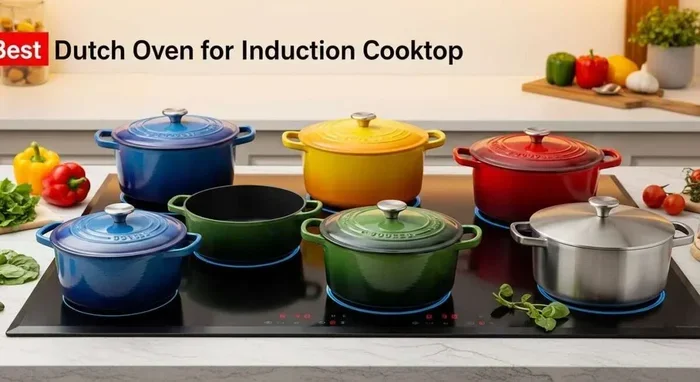
Best Dutch Oven For Induction Cooktop Reviews Guide
Finding the right Dutch Oven For Induction Cooktop can transform your cooking experience. Induction cooktops need special cookware with a magnetic base to work properly. A quality Dutch Oven For Induction Cooktop delivers even heat, perfect simmering, and beautiful browning. In this guide, we break down the top picks, key features, and what to avoid. Read on to find the best Dutch Oven For Induction Cooktop for your kitchen.
Cooking on an induction cooktop is a game changer. The heat responds instantly. The controls are precise. And cleanup is a breeze. But here is the catch. Not every pot works on an induction surface. You need induction compatible cookware with a magnetic base. That is where a Dutch Oven For Induction Cooktop comes in. It is one of the most versatile tools you can own. Whether you are braising short ribs or making a hearty soup, the right pot makes all the difference. In this guide, we will walk you through everything you need to know. We will cover how to choose, what features matter, and which models deliver the best results.
A Dutch Oven For Induction Cooktop is not just another piece of cookware. It is a workhorse. You can sear, simmer, bake, and slow cook in it. The heavy construction holds heat beautifully. The tight-fitting lid traps moisture. And the enamel or bare cast iron finish handles high temperatures with ease. But with so many options on the market, picking the right one can feel overwhelming. Do you go with enamel coated or bare cast iron? Do you need a 5-quart or a 7-quart model? We have answers to all of these questions and more.
Key Takeaways
- Not all Dutch ovens work on induction: You need a ferromagnetic base for proper cooking surface compatibility.
- Enamel coated and cast iron dutch ovens are the two best options for induction cooking.
- Heat distribution and retention are the biggest advantages of using a heavy bottom pot on an induction cooktop.
- Size matters: Choose between 5-quart and 7-quart based on your family size and cooking habits.
- Proper care extends the life of your Dutch Oven For Induction Cooktop by years.
- Price does not always equal quality: Several mid-range options perform just as well as premium brands.
- Always check the manufacturer’s label for induction compatibility before purchasing.
📑 Table of Contents
- Why a Dutch Oven For Induction Cooktop Is a Game Changer
- What to Look for in a Dutch Oven For Induction Cooktop
- Top Features That Matter Most
- Best Dutch Oven For Induction Cooktop Compared
- How to Use and Care for Your Dutch Oven on Induction
- Common Mistakes to Avoid
- Quick Tips for Getting the Most Out of Your Dutch Oven
- Expert Insights on Choosing the Right Dutch Oven
- Key Takeaways
- Conclusion
Why a Dutch Oven For Induction Cooktop Is a Game Changer
Induction cooking uses magnetic fields to heat the cookware directly. The cooktop itself stays cool. Only the pot gets hot. This means you need cookware that responds to magnetism. A Dutch Oven For Induction Cooktop is specifically designed with a ferromagnetic base. This base interacts with the induction coil underneath the glass surface. The result is fast, even heating that traditional electric or gas cooktops simply cannot match.
How Induction Cooking Works
Here is how it works in simple terms. An electric coil beneath the glass cooktop creates a magnetic field. When you place a Dutch Oven For Induction Cooktop on the surface, the magnetic field induces currents in the metal. These currents generate heat right in the pot. The cooktop does not produce heat on its own. This is why non-magnetic pots like aluminum or copper will not work unless they have a magnetic disc attached.
Why Dutch Ovens Shine on Induction
Dutch ovens are naturally perfect for induction. Their heavy, thick bases contain iron or steel. This makes them highly responsive to magnetic fields. A Dutch Oven For Induction Cooktop heats up quickly and evenly. There are no hot spots. The food cooks uniformly from edge to center. This is especially important for tasks like braising and slow cooking. You want consistent heat over long periods. A quality induction-compatible Dutch oven delivers exactly that.
The weight of a Dutch oven also helps with heat retention. Once the pot reaches temperature, it stays hot. This is a huge advantage when you are simmering a stew or searing meat before braising. The heavy bottom pot holds steady heat. You get a beautiful sear on a steak. Then you can transfer the whole pot to the oven for hours of slow cooking. Few other pieces of cookware can do that.
What to Look for in a Dutch Oven For Induction Cooktop
Not all Dutch ovens are created equal. Some are better suited for induction than others. When shopping for a Dutch Oven For Induction Cooktop, there are a few key factors to keep in mind. Let us break them down so you can shop with confidence.
Magnetic Base Requirements
The most important thing to check is the base material. Your Dutch Oven For Induction Cooktop must have a ferromagnetic base. This means it needs to contain iron or magnetic steel. You can test this at home with a magnet. Stick a magnet to the bottom of the pot. If it sticks firmly, it will work on induction. If it does not stick, keep looking. Most enamel coated and bare cast iron Dutch ovens pass this test easily.
Material and Coating Options
There are two main types of Dutch ovens for induction cooking. The first is bare cast iron. This is the classic option. It is incredibly durable. It heats slowly but retains heat for a very long time. The downside is that bare cast iron requires seasoning and careful maintenance. It can also be quite heavy.
The second option is an enamel coated dutch oven. This is cast iron with a glass-like enamel coating on the inside and outside. It does not need seasoning. It is easier to clean. The enamel provides a non-reactive surface, which means you can cook acidic foods like tomatoes without any metallic taste. Most home cooks prefer the enamel coated option for everyday use.
Size and Capacity Considerations
Dutch ovens come in a range of sizes. The most common are 5-quart and 7-quart. A 5-quart Dutch Oven For Induction Cooktop is perfect for a couple or small family. It handles soups, stews, and roasts for 2 to 4 people easily. A 7-quart model is better for larger families or batch cooking. It can handle a whole chicken or a big pot of chili with room to spare.
Think about what you cook most often. If you mostly make soup pot meals for two, go with 5 quarts. If you regularly cook for a crowd or meal prep, the 7-quart size gives you more flexibility. Also consider your storage space. A larger Dutch oven takes up more room in your cabinet or on your shelf.
Top Features That Matter Most
When comparing different models of Dutch Oven For Induction Cooktop, certain features stand out. These are the details that can make or break your cooking experience. Here is what to focus on.
Heat Distribution and Retention
The whole point of a heavy bottom pot is even heat distribution. A good Dutch Oven For Induction Cooktop spreads heat across the entire cooking surface. There are no cold spots. No scorching on one side while the other stays cool. Cast iron naturally excels at this. The enamel coating does not change this benefit. Look for a thick-walled construction that holds heat steadily.
Heat retention is equally important. Once your pot reaches the right temperature, it should stay there. This is crucial for braising and slow cooking. A well-made Dutch oven maintains a gentle simmer for hours without needing frequent adjustments to the induction burner.
Lid Design and Fit
The lid on your Dutch Oven For Induction Cooktop matters more than you might think. A tight-fitting lid traps moisture inside. This creates a self-basting effect that keeps braises and stews juicy. Look for lids with a slight rim or a self-basting spike. Some lids have a built-in knob that stays cool to the touch, which is a nice safety feature.
The lid fitting should feel snug but not forced. You want a seal that keeps steam in without making it impossible to remove. Glass lids are a bonus because they let you monitor your food without lifting the lid and losing heat.
Handle Comfort and Safety
You will be lifting a heavy pot full of food. The handles need to be comfortable and secure. Look for ergonomic handles that stay cool or are well-insulated. Some models have helper handles on the opposite side. These make pouring and transferring much easier and safer.
Check if the handles are oven safe up to the same temperature as the pot. A Dutch Oven For Induction Cooktop that goes from stovetop to oven seamlessly is incredibly convenient. You sear on the induction cooktop, then pop the whole thing in the oven. No transferring food to a different dish.
Oven Safe Temperature and Durability
Most quality Dutch ovens are oven safe up to 450 to 500 degrees Fahrenheit. This range is more than enough for most recipes. Check the manufacturer’s specifications for the exact oven safe temperature. Some high-end models can handle even higher temperatures for bread baking or deep frying.
Durability is another key factor. A good Dutch Oven For Induction Cooktop should last for decades. Cast iron is practically indestructible. The enamel coating can chip if you drop the pot or use metal utensils roughly, but it is generally very tough. Look for brands with solid warranty policies as a sign of confidence in their product.
Best Dutch Oven For Induction Cooktop Compared
Now let us look at some top options. The table below compares the most popular Dutch Oven For Induction Cooktop models based on key features.
| Model | Material | Capacity | Oven Safe Temp | Dishwasher Safe | Price Range |
|---|---|---|---|---|---|
| Le Creuset Signature | Enamel Coated Cast Iron | 5.5 qt | 500°F | No (hand wash) | Premium |
| Lodge Enameled | Enamel Coated Cast Iron | 6 qt | 500°F | Yes | Mid-Range |
| Tramontina Enameled | Enamel Coated Cast Iron | 5.8 qt | 500°F | Yes | Budget-Friendly |
| Staub Cast Iron | Enamel Coated Cast Iron | 5.5 qt | 500°F | No (hand wash) | Premium |
| Cuisinart Multiclad Pro | Stainless Steel with Aluminum Core | 5 qt | 500°F | Yes | Mid-Range |
The Le Creuset Signature is a top pick for those who want the best of the best. The enamel finish is gorgeous and comes in many colors. The Lodge Enameled option delivers nearly the same performance at a much lower price. It is a great choice for everyday cooking. The Tramontina model is the budget-friendly winner. It works well on induction and is dishwasher safe, which saves time. The Staub is another premium choice known for its excellent heat retention and self-basting lid spikes. The Cuisinart Multiclad Pro offers a stainless steel option for those who prefer that look and feel.
How to Use and Care for Your Dutch Oven on Induction
Using a Dutch Oven For Induction Cooktop is straightforward once you know the basics. The induction cooktop will heat the pot quickly. Because the pot is so heavy, it holds heat longer than lighter cookware. This means you can often cook on a lower setting than you would with a thinner pan. Start with medium heat and adjust as needed.
Getting Started
Before your first use, wash the pot with warm soapy water and dry it thoroughly. For bare cast iron models, apply a thin layer of oil to the inside. For enamel coated models, you are ready to cook right out of the box. Always place the pot on the center of the induction zone for the best cooking surface compatibility. Induction cooktops work best with flat-bottomed pots that make full contact with the surface.
When searing meat, preheat the pot on medium-high for a few minutes. Add a small amount of oil. Place the meat in and let it sit without moving it. This creates a beautiful brown crust. Then reduce the heat for simmering or add liquids for braising. The heavy walls of a Dutch Oven For Induction Cooktop maintain the temperature perfectly during these transitions.
Cleaning and Maintenance Tips
Taking care of your pot extends its life significantly. Enamel coated Dutch ovens are generally dishwasher safe, but hand washing is gentler. Use a soft sponge and mild detergent. For stubborn stains, make a paste of baking soda and water. Let it sit for a few minutes, then scrub gently.
Bare cast iron requires more attention. Never put it in the dishwasher. Wash with hot water and a stiff brush. Dry it immediately to prevent rust. Apply a thin layer of oil after each wash. Over time, this builds up a natural non-stick seasoning. A well-maintained cast iron Dutch oven can last for generations.
Avoid thermal shock. Do not plunge a hot pot into cold water. This can crack the enamel or warp the base. Let the pot cool naturally before washing. This simple habit protects your Dutch Oven For Induction Cooktop for years to come.
Common Mistakes to Avoid
Even experienced cooks make mistakes with their Dutch ovens. Here are a few to watch out for.
Using the Wrong Cookware
The biggest mistake is buying a Dutch oven that is not induction compatible. Some brands use aluminum or copper bodies with a non-magnetic base. These will not work on induction. Always check the product description for the words induction compatible or induction ready. If you are unsure, bring a magnet to the store.
Overheating and Thermal Shock
Another common error is overheating an empty pot. A Dutch Oven For Induction Cooktop heats up fast on induction. If you preheat it empty for too long, the enamel can crack or the cast iron can warp. Always add oil or food before heating. And never go from a hot stovetop to a cold surface. Let the pot cool gradually.
Using too high heat is also a mistake. Induction is efficient. You do not need to crank the temperature up. Medium to medium-high heat is usually plenty. The heavy pot retains and distributes heat so well that lower settings work just as effectively.
Quick Tips for Getting the Most Out of Your Dutch Oven
- Preheat on medium: Let the pot warm up gradually for even heating.
- Use the right size burner: Match the pot base to the induction zone for optimal heat distribution.
- Season bare cast iron regularly: A thin oil layer after each wash keeps it in top shape.
- Store with the lid slightly ajar: This prevents moisture buildup and odors.
- Use silicone or wooden utensils: They protect the enamel coating from scratching.
- Try baking bread: A Dutch Oven For Induction Cooktop makes incredible homemade bread with a crispy crust.
- Batch cook and freeze: Stews and soups taste even better the next day and reheat beautifully.
Expert Insights on Choosing the Right Dutch Oven
Chefs and cooking experts agree on a few things when it comes to selecting a Dutch Oven For Induction Cooktop. First, do not overspend on the brand name. You can find excellent performance at mid-range prices. The Lodge Enameled and Tramontina models prove that you do not need to pay premium prices for great results. Second, prioritize the base thickness. A thicker bottom means better heat distribution and fewer hot spots. Third, think about how you will use the pot most. If you do a lot of oven cooking, make sure the handles are oven safe. If you want easy cleanup, look for dishwasher-safe models.
Experts also recommend considering the weight. A 7-quart cast iron Dutch oven can weigh 12 pounds or more when full. If you have wrist or shoulder issues, a lighter enamel coated model might be a better fit. The Cuisinart Multiclad Pro offers a lighter alternative that still performs well on induction. The key is finding a balance between durability, functionality, and comfort.
Key Takeaways
- Not all Dutch ovens work on induction: You need a ferromagnetic base for proper cooking surface compatibility.
- Enamel coated and cast iron dutch ovens are the two best options for induction cooking.
- Heat distribution and retention are the biggest advantages of using a heavy bottom pot on an induction cooktop.
- Size matters: Choose between 5-quart and 7-quart based on your family size and cooking habits.
- Proper care extends the life of your Dutch Oven For Induction Cooktop by years.
- Price does not always equal quality: Several mid-range options perform just as well as premium brands.
- Always check the manufacturer’s label for induction compatibility before purchasing.
Conclusion
A Dutch Oven For Induction Cooktop is one of the smartest purchases you can make for your kitchen. It is versatile. It is durable. And it works beautifully with induction technology. Whether you choose a premium enamel coated model or a budget-friendly cast iron option, you are investing in a tool that will serve you for years. The key is to pick one that fits your cooking style, your budget, and your family size.
Remember to check for induction compatibility before you buy. Look for a magnetic base, even heat distribution, and features that match how you cook. Take care of your pot, and it will take care of you. With the right Dutch Oven For Induction Cooktop, you can braise, sear, simmer, bake, and slow cook with confidence. Your kitchen is about to become a whole lot more versatile. Happy cooking!
Frequently Asked Questions
Can I use any Dutch oven on an induction cooktop?
No, not all Dutch ovens work on induction. You need a pot with a ferromagnetic base that responds to magnetism. Look for labels that say induction compatible or induction ready. A simple magnet test at the store can confirm compatibility before you buy.
What is the best size Dutch oven for an induction cooktop?
A 5-quart Dutch oven works great for couples or small families. A 7-quart model is better for larger families or batch cooking. The 5.5-quart size is a popular middle ground that handles most everyday cooking tasks with ease.
Is enamel coated or bare cast iron better for induction cooking?
Both work well on induction. Enamel coated Dutch ovens are easier to clean and do not need seasoning. Bare cast iron is more durable and develops better non-stick properties over time. Choose based on your maintenance preferences and cooking habits.
Can I put my Dutch Oven For Induction Cooktop in the dishwasher?
It depends on the model. Many enamel coated Dutch ovens are dishwasher safe. Bare cast iron should always be hand washed to preserve the seasoning. Check the manufacturer’s care instructions before using a dishwasher.
Why does my Dutch oven not heat evenly on my induction cooktop?
Uneven heating usually happens when the pot base does not fully contact the induction zone. Make sure the pot is flat-bottomed and centered on the burner. Also, avoid using too high a heat setting. Induction is very efficient, so medium heat is often enough.
How do I know if my Dutch oven is oven safe for use with induction?
Check the product specifications for the maximum oven safe temperature. Most quality Dutch ovens are safe up to 450 to 500 degrees Fahrenheit. Also make sure the lid knobs and handles can handle the same temperature if you plan to use the whole pot in the oven.
=== CONCLUSION ===
Choosing the right Dutch Oven For Induction Cooktop comes down to understanding your needs and knowing what to look for. A magnetic base, even heat distribution, a comfortable lid fit, and durable construction are the essentials. Whether you pick a premium enamel coated model or a reliable budget option, you will enjoy the benefits of slow cooking, braising, and searing with ease. Use the tips and comparisons in this guide to make a confident choice. Your perfect Dutch Oven For Induction Cooktop is waiting.