How Hot Can Pyrex Glass Get In Oven Without Cracking
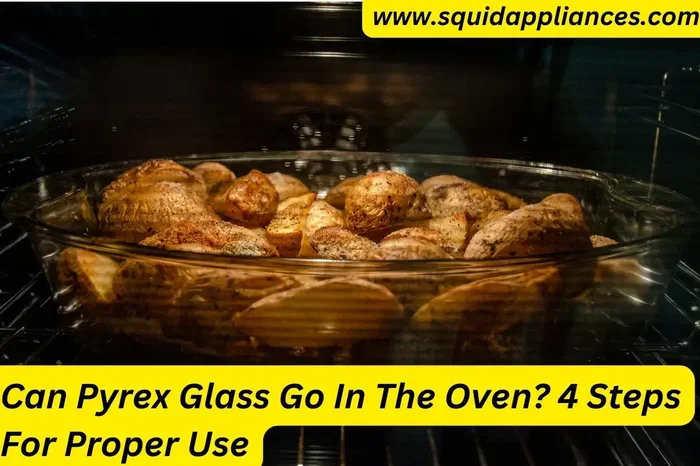
Pyrex is a trusted kitchen staple, but many wonder: how hot can Pyrex glass get in the oven without cracking? The answer depends on the type of glass, how you preheat, and sudden temperature changes. This guide covers safe temperatures, thermal shock risks, and simple tips to keep your Pyrex dish intact.
You pull out your favorite Pyrex dish to make a casserole. The recipe says to bake it at 375°F. But then a question pops up: how hot can Pyrex glass get in the oven without cracking? This is a common worry. Many home cooks love their Pyrex dish but fear it will shatter. The truth is, Pyrex is oven-safe—but only within certain limits. Understanding these limits keeps your kitchen safe and your baking perfect.
Pyrex glass has been a kitchen staple for over a century. It handles heat well, but it is not indestructible. The key is knowing the right oven temperature and avoiding sudden changes. In this guide, we will answer your biggest questions. We will cover safe temperatures, common mistakes, and simple tips. By the end, you will feel confident using your glass bakeware every day.
Whether you are baking a casserole dish or reheating leftovers, this article helps. We will explain the science behind thermal shock. We will share Pyrex instructions from the manufacturer. You will learn how to care for your heat-resistant glass. Let us dive in and keep your Pyrex bowl crack-free.
Key Takeaways
- Max Safe Temperature: Most modern Pyrex can handle up to 425°F (220°C), but always check the manufacturer’s guidelines.
- Thermal Shock Is the Enemy: Sudden temperature changes cause cracks. Always preheat the oven before adding Pyrex.
- Vintage vs. Modern: Older Pyrex made of borosilicate glass tolerates higher heat than newer soda-lime versions.
- No Stovetop or Broiler: Pyrex is not designed for direct flame or intense top heat.
- Inspect Before Use: Chips, scratches, or cloudiness mean it is time to retire the dish.
- Lids Are Not Oven-Safe: Remove any plastic or glass lid before baking.
📑 Table of Contents
What Is Pyrex Glass and Why Does It Matter?
Pyrex is a brand of glass bakeware and laboratory glassware. It is known for being clear, durable, and heat-resistant. But not all Pyrex is the same. The material composition has changed over the decades. This affects how hot it can get and how you should use it.
The History of Pyrex
Pyrex was first introduced in 1915. The original formula used borosilicate glass. This type of glass is highly resistant to thermal shock. It can handle big temperature swings. For decades, this made Pyrex a favorite for baking and cooking. Many vintage Pyrex pieces still work perfectly today. They can go from the freezer to a hot oven with care.
In the 1990s, the manufacturing changed. Modern Pyrex in the United States is now made of soda-lime glass. This material is cheaper but less heat-resistant. It still works well in the oven, but it needs more caution. Knowing this difference helps you treat your dish correctly.
Soda-Lime vs. Borosilicate Glass
Borosilicate glass contains boron trioxide. This makes it very stable. It expands less when heated. That is why it resists thermal shock. Soda-lime glass is the common type of glass in windows and many kitchen items. It is tougher but more sensitive to rapid temperature changes.
Here is a simple comparison of the two types:
- Borosilicate Pyrex: Original formula. Handles up to 450°F (230°C). Very low thermal expansion. Found in vintage pieces and some international products.
- Soda-Lime Pyrex: Current US formula. Handles up to 425°F (220°C). More prone to cracking if mistreated. This is what most people use today.
Both types are oven-safe when used properly. The key is respecting their limits and following Pyrex instructions carefully.
The Temperature Limits of Pyrex: How Hot Can It Get?
The big question is: how hot can Pyrex glass get in the oven without cracking? The short answer is 425°F (220°C) for modern Pyrex. Some older borosilicate pieces can handle 450°F (230°C). But these are not hard limits. The real danger is not the peak heat—it is the change in heat.
Official Pyrex Temperature Guidelines
Pyrex’s official website states that their glass bakeware is safe for use in a preheated oven up to 425°F (220°C). They also say you should not exceed this temperature. The Pyrex warning is simple: avoid sudden temperature changes. The manufacturer also advises against using Pyrex under the broiler or on a stovetop burner.
Here are the official rules to follow:
- Always preheat the oven before placing Pyrex inside.
- Do not exceed 425°F (220°C) for modern Pyrex.
- Never put Pyrex on a hot stovetop or under a direct flame.
- Do not use Pyrex under the broiler.
- Allow the dish to cool on a dry cloth or wire rack.
Vintage vs. Modern Pyrex: What’s the Difference?
If you have old Pyrex passed down from a family member, it might be borosilicate glass. These pieces can often handle higher temperatures. However, even vintage Pyrex should not be subjected to extreme thermal shocks. The material is tougher, but it is not magic. A cold vintage dish placed directly into a screaming hot oven can still crack.
Modern Pyrex is still excellent for baking. It is great for casserole dishes, baking cakes, and roasting vegetables. Just stay within the 425°F limit. Treat it gently, and it will last for years.
Safe Baking Temperatures for Common Recipes
Most baking recipes call for 350°F to 375°F (175°C to 190°C). These temperatures are perfectly safe for Pyrex. Here is a quick guide to common baking temperatures:
- Cakes and brownies: 325°F–350°F (165°C–175°C).
- Casseroles and lasagna: 350°F–375°F (175°C–190°C).
- Roasting vegetables: 400°F–425°F (200°C–220°C).
- Reheating leftovers: 300°F–350°F (150°C–175°C).
All of these are within the safe range. The key is to never crank the oven beyond 425°F when using Pyrex. If a recipe calls for 450°F, use a metal pan instead.
| Pyrex Type | Max Safe Oven Temp | Key Characteristic |
|---|---|---|
| Modern Soda-Lime Pyrex | 425°F (220°C) | Common in US. Needs gradual heating. |
| Vintage Borosilicate Pyrex | 450°F (230°C) | Found in older pieces. More thermal-resistant. |
| Pyrex with Plastic Lid | Not oven-safe | Lid melts. Remove before baking. |
| Pyrex Measuring Cup | Not for stovetop | Designed for mixing and measuring only. |
Thermal Shock: The Real Reason Pyrex Cracks
You might wonder why a Pyrex dish cracks even when you stay under 425°F. The answer is thermal shock. This happens when one part of the glass expands faster than another part. The uneven expansion creates stress. That stress leads to cracks or even shattering. Understanding this concept helps you prevent disasters in the kitchen.
What Is Thermal Shock?
Imagine placing a cold Pyrex bowl straight into a hot oven. The bottom of the dish heats up fast. The sides and top are still cool. The bottom tries to expand, but the rest holds it back. This creates tiny fractures. Over time, these fractures grow. Soon, your dish cracks or explodes.
Thermal shock can happen in seconds. It does not matter if the oven is 350°F or 425°F. What matters is the difference between the dish’s starting temperature and the oven temperature. A gap of more than 100°F can cause trouble. That is why a Pyrex dish straight from the fridge is risky.
How to Avoid Thermal Shock in the Oven
Prevention is easy. Follow these simple steps to protect your glass bakeware:
- Always preheat the oven. Never put a cold Pyrex dish into a cold oven and then turn it on.
- Room temperature start. Take the Pyrex dish out of the cabinet or fridge. Let it sit for 10–15 minutes before baking.
- Use a neutral surface. Place the hot dish on a dry cloth, wooden board, or wire rack. Never on a cold granite countertop.
- Avoid liquid temperature changes. Do not add cold liquid to a hot Pyrex measuring cup. Let it cool first.
Quick Tip: If you are in a hurry, place the cold dish in a cold oven. Then set the temperature. The dish warms up slowly with the oven. This reduces thermal stress significantly.
Quick Tips: Keeping Your Pyrex Safe
- Always use oven mitts. Hot Pyrex looks the same as cool Pyrex.
- Do not move a hot Pyrex dish from the oven to a cold countertop.
- Place a hot dish on a trivet or folded towel.
- If you hear a popping sound, remove the dish immediately. It may be cracking.
- Never put a damaged Pyrex bowl in the oven, even for a short time.
Pyrex Oven Safety: Best Practices for Cooking
Using Pyrex safely is not just about temperature. It is also about how you handle it. Proper care extends the life of your oven-safe dish. Here are the best practices for everyday cooking.
Preheating Do’s and Don’ts
Preheating is the first step to safe baking. When the oven reaches the target baking temperature, the air is hot. Your Pyrex dish can then go in safely. The heat surrounds the dish evenly. This prevents hot spots that cause stress.
Do’s:
- Preheat the oven fully before inserting Pyrex.
- Place the dish in the center of the oven for even heat.
- Use oven mitts when handling hot Pyrex.
Don’ts:
- Do not place a cold Pyrex dish directly on a hot oven rack.
- Do not put Pyrex on a hot stovetop burner.
- Do not use a damaged or chipped dish.
Using Pyrex on the Stovetop and Under the Broiler
Pyrex is not stovetop safe. The direct flame or electric coil creates intense, uneven heat. This causes instant thermal shock. The dish can crack or explode in seconds. The same goes for the broiler. The top heat is extreme and direct. It can cause the glass to shatter. Always keep your Pyrex dish in the main oven cavity. If you need to sear or boil, use a metal pan first.
Pyrex Lid and Cover Safety
Many Pyrex sets come with a plastic lid. These lids are not oven-safe. They will melt at high temperatures. Some older Pyrex dishes have a glass lid. Even then, the lid should not go in the oven if it has a plastic knob. Always remove any lid or cover before baking. If you need to cover the dish, use a piece of aluminum foil. This allows steam to escape safely.
Expert Insight: “The lid is for storage only,” says a Pyrex care guide. “Treat it as a separate piece, not part of the baking dish.”
Common Mistakes That Cause Pyrex to Crack
Even careful cooks make mistakes. Knowing the common pitfalls helps you avoid them. Here are the top reasons Pyrex cracks in the oven.
The Cold-to-Hot Trap
This is the number one cause of Pyrex cracking. You take a Pyrex bowl from the refrigerator. It is cold. You place it directly into a 375°F oven. The bottom of the dish hits the hot air. The cold glass cannot expand fast enough. It cracks. This mistake is easy to avoid. Just let the dish come to room temperature first. Fifteen minutes on the counter is usually enough.
Overfilling and Boiling Dry
When you fill a Pyrex casserole dish too full, the contents can boil over. The liquid seeps under the dish and hits the oven floor. The sudden coolness can shock the glass. Also, if you bake a dish with little liquid and forget it, the dish can boil dry. The empty Pyrex dish overheats and cracks. Always leave headspace and check your food while it bakes.
Ignoring Scratches and Chips
Over time, Pyrex can develop scratches from utensils or chips from impacts. These tiny flaws weaken the glass. They become stress points. A dish that looks fine might crack at 350°F because of a hidden chip. Inspect your glass bakeware before each use. If you see damage, retire the dish. A small chip can spread into a large crack during baking.
Common Mistake: Using a Pyrex measuring cup on the stovetop to heat milk. This is dangerous. The direct heat creates uneven expansion. Use a saucepan instead. Pyrex is designed for the oven and microwave, not the stovetop.
How to Tell If Your Pyrex Is Still Oven-Safe
Even with care, Pyrex does not last forever. How do you know when it is time to replace a dish? Look for these signs of wear.
Visual Signs of Damage
Hold your Pyrex dish up to the light. Check for these issues:
- Scratches or cloudiness: These weaken the surface and can hide cracks.
- Chips or nicks: Even small ones can grow into cracks under heat.
- Discoloration: Staining that will not wash out can indicate structural change.
- Crazing: A web of tiny cracks in the glass. This means the dish is compromised and must be retired.
When to Retire a Pyrex Dish
If your Pyrex shows any of these signs, do not use it in the oven. It is no longer oven-safe. You can still use it for cold storage or as a serving dish. But for baking, retire it. Safety comes first. A cracked Pyrex dish can ruin your meal and even cause injury from flying glass shards.
Expert Insight: “A dish with chips on the rim is a ticking time bomb,” warns a kitchen safety expert. “The rim bears the most stress during heating. One crack can spread across the entire dish in seconds.”
Conclusion
How hot can Pyrex glass get in the oven without cracking? The answer is clear. Modern Pyrex can safely go up to 425°F (220°C) in a preheated oven. Older borosilicate pieces can handle even more, but they still need gentle handling. The real enemy is thermal shock. Avoid sudden temperature changes, and your Pyrex dish will serve you for years.
Remember these simple rules. Always preheat the oven. Let cold dishes warm up. Never use Pyrex on the stovetop or under the broiler. Inspect your glass bakeware for damage before baking. By following these Pyrex instructions, you can bake with confidence. Your casserole dish will come out perfect every time.
Take care of your Pyrex, and it will take care of your meals. Happy baking!
Frequently Asked Questions
Can Pyrex go in a 450°F oven?
Most modern Pyrex is rated for 425°F. Going to 450°F risks cracking, especially with sudden temperature changes. If you have vintage borosilicate Pyrex, it may handle higher heat, but it is still not recommended to exceed the manufacturer’s limit.
Why did my Pyrex explode in the oven?
This usually happens due to thermal shock. A cold dish placed in a hot oven, or a hot dish placed on a cold surface, creates uneven expansion. The glass cannot handle the stress and shatters. Always preheat the oven and let Pyrex reach room temperature first.
Is it safe to put Pyrex in a preheated oven?
Yes, absolutely. Preheating the oven before placing Pyrex inside is the safest practice. It ensures the dish heats up gradually and evenly, reducing the risk of cracking.
Can you put a Pyrex lid in the oven?
No. Most Pyrex lids are made of plastic and will melt. Even glass lids with plastic knobs should not go in the oven. Remove all lids before baking and cover with foil if needed.
How do you know if Pyrex is oven-safe?
Check the bottom of the dish for the oven-safe symbol or text. Modern Pyrex will say “Oven-safe up to 425°F.” If there is no marking, assume it is not oven-safe. When in doubt, contact Pyrex customer service.
Can Pyrex go from the freezer to the oven?
It is not recommended. The extreme temperature difference causes thermal shock. Let the dish thaw on the counter for 30 minutes to an hour before placing it in a preheated oven.