How To Cook Rare Steak In Oven Perfectly Every Time
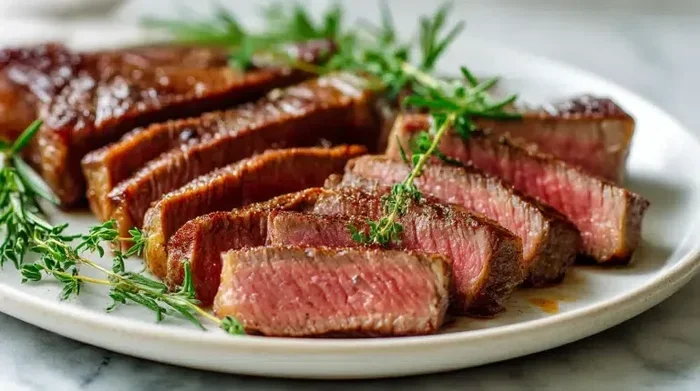
Want to learn how to cook rare steak in oven like a pro? This guide shows you the exact steps to get a perfect medium-rare center with a beautiful crust every single time. We will walk you through choosing the right cut, setting the right temperature, and using simple techniques that deliver restaurant-quality results at home. Keep reading to master the art of oven-baked steak with confidence.
There is something deeply satisfying about cooking a perfect steak in your own kitchen. Many people think you need a fancy grill or a professional setup to get that beautiful rare steak. But here is a secret: your oven can do wonders. How to cook rare steak in oven is a question that home cooks ask all the time, and the answer is simpler than you think.
When you learn the right technique, you get a steak with a crispy golden crust on the outside and a cool, ruby-red center on the inside. That is the dream. Whether you are a beginner or a seasoned home chef, this guide will walk you through every step. You will learn about the best cuts, the right temperatures, and the mistakes that ruin a good steak. By the end, you will feel confident enough to cook rare steak in oven like a pro.
The beauty of oven-cooked steak is consistency. A grill can be unpredictable with hot spots and flare-ups. An oven gives you steady, even heat. This means more control and fewer surprises. So let us dive in and explore everything you need to know about making the perfect oven-baked steak at home.
Key Takeaways
- Choose the right cut: Thick ribeye, filet mignon, or strip steak work best for oven cooking.
- Use a meat thermometer: This is the single most important tool for achieving rare steak every time.
- Let the steak come to room temperature: This ensures even cooking from edge to center.
- Try the reverse sear method: Cooking low and slow in the oven, then finishing with a hot sear, gives the best results.
- Rest your steak for at least 5 minutes: This locks in the juices and keeps your steak tender.
- Avoid common mistakes: Skipping the rest, using the wrong temperature, and not seasoning properly are the top errors.
- Pair with simple sides: Garlic butter, roasted vegetables, and a bold red wine elevate any oven steak.
📑 Table of Contents
- Why Oven-Cooked Rare Steak Is Worth Trying
- Choosing the Right Cut of Steak
- How To Cook Rare Steak In Oven: Step-by-Step
- The Reverse Sear Method Explained
- Common Mistakes to Avoid
- Serving and Pairing Your Rare Steak
- Comparison: Oven Method vs. Other Cooking Methods
- Final Thoughts on Cooking Rare Steak in the Oven
Why Oven-Cooked Rare Steak Is Worth Trying
The Beauty of Slow, Even Heat
Cooking steak in the oven has some real advantages. First, the heat surrounds the meat evenly. On a grill, one side might get too hot while the other stays cool. In an oven, hot air circulates around the steak. This creates a more uniform cook from edge to center.
Second, ovens are predictable. You set the temperature, and it stays there. This makes it much easier to hit your target steak doneness. With a grill, you are constantly managing flames and moving the meat around. The oven takes a lot of that guesswork away.
Third, oven cooking frees up your stovetop. You can cook sides, make a sauce, or prepare a salad while your steak bakes. It is a more relaxed way to cook a great meal. Many professional chefs actually prefer finishing steaks in the oven for this reason.
What Makes Oven Steak Different From Grilling
Grilling gives you that classic smoky flavor. It is hard to beat the taste of a steak cooked over charcoal or gas flames. But oven cooking focuses on texture and precision. You get a more controlled steak crust and a more evenly cooked interior.
With oven cooking, you can also cook thicker cuts more easily. A thick ribeye steak or filet mignon can be tricky on a grill because the outside burns before the inside is done. The oven solves this problem. You cook at a lower temperature first, then finish with a hot sear for that perfect crust.
So while grilling has its charm, oven-baked steak deserves a spot in your cooking repertoire. It is reliable, forgiving, and produces stunning results every time.
Choosing the Right Cut of Steak
Best Steak Cuts for Oven Cooking
Not all steaks are created equal when it comes to oven cooking. Some cuts work better than others because of their fat content, thickness, and tenderness. Here are the top choices for how to cook rare steak in oven:
- Ribeye Steak: Rich in marbling and flavor. The fat keeps the steak juicy even when cooked to rare. This is the most popular choice for oven steak.
- Filet Mignon: The most tender cut. It is leaner than ribeye but melts in your mouth. Great for those who prefer a buttery texture.
- New York Strip: A balance of tenderness and beefy flavor. It holds up well to oven cooking and has a nice crust potential.
- Porterhouse or T-Bone: Two steaks in one. The strip side and the tenderloin side both cook beautifully in the oven.
When buying steak, look for bright red meat with white streaks of fat. Avoid any cuts that look brown or gray. The fat should look creamy, not yellow. Good-quality beef makes all the difference in your final result.
Thickness Matters More Than You Think
The thickness of your steak is critical. For rare steak in oven, you want a cut that is at least 1.5 inches thick. Thinner steaks will overcook before you get a good crust. A thick steak gives you a buffer zone between the rare center and the cooked exterior.
If you buy a thin steak, it is almost impossible to get a rare center without burning the outside. So when you are shopping, go for the thickest cut you can find. A 2-inch thick ribeye is absolutely ideal for oven cooking.
How To Cook Rare Steak In Oven: Step-by-Step
Step One: Prep Your Steak
Start by taking your steak out of the fridge about 30 to 45 minutes before cooking. This lets it come to room temperature. Cold steak cooking straight from the fridge leads to uneven results. The outside overcooks while the center stays cold.
While the steak rests, pat it dry with paper towels. Dry meat sears better. Remove any excess moisture so you get that beautiful golden crust. Then season generously with salt and pepper. You can also add garlic powder, smoked paprika, or your favorite steak seasoning blend.
Some cooks like to rub the steak with a little olive oil before seasoning. This helps the salt stick to the surface. It also promotes browning. Keep the oil light, though. Too much oil can cause smoke in the oven.
Step Two: Set the Right Oven Temperature
For the best results, preheat your oven to 250°F (120°C). This low temperature gently brings the steak up to the target internal temperature without overcooking the edges. It is the foundation of the reverse sear method, which we will talk about more below.
If you prefer a slightly higher oven temperature, you can use 300°F (150°C). Just keep a close eye on the internal temperature. The lower you go, the more control you have. Oven temperature for steak is one of the most important factors in getting a perfect rare center.
Step Three: Cook and Monitor the Internal Temp
Place the seasoned steak on a wire rack set over a baking sheet. The wire rack allows air to circulate underneath, which promotes even cooking. Put the steak in the oven and let it cook slowly.
This is where a meat thermometer becomes your best friend. Insert it into the thickest part of the steak. You want the internal temperature to reach about 120°F (49°C) for rare steak. Check the temperature every 10 to 15 minutes.
Every oven is different, so cooking times will vary. A 2-inch thick ribeye might take 25 to 35 minutes. A thinner cut could be done in 15 to 20 minutes. Do not rely on the clock alone. Trust your thermometer.
Step Four: Rest Your Steak Before Slicing
Once the steak hits 120°F, take it out of the oven. Now comes a step many people skip: resting. Place the steak on a cutting board and let it sit for at least 5 to 8 minutes. During this time, the steak juices redistribute throughout the meat.
If you cut into it right away, all those juices run out onto the board. Your steak ends up dry and less flavorful. Resting is what makes the difference between a good steak and a great one. Set a timer if you need to. Those few minutes are worth it.
Step Five: Sear for the Perfect Crust
After resting, it is time for the final step: searing. Heat a cast iron skillet over high heat until it is smoking hot. Add a small amount of high-smoke-point oil, like avocado oil or grapeseed oil.
Place the steak in the skillet and let it sear for about 1 to 2 minutes per side. You will hear a satisfying sizzle. This creates that crispy, caramelized steak crust that makes oven steak taste restaurant-quality. Use tongs to hold the steak and sear the edges too for about 30 seconds each.
After searing, let the steak rest again for 2 to 3 minutes before serving. This final rest ensures the juices stay locked in. Now your rare steak in oven is ready to enjoy.
The Reverse Sear Method Explained
Why Reverse Sear Works So Well
The reverse sear method is the gold standard for cooking steak in the oven. Instead of searing first and finishing in the oven, you do it in reverse. You start in the low oven and finish with a hot sear on the stovetop.
This method gives you incredible control over the steak doneness. The low oven slowly brings the entire steak up to just below your target temperature. Then the quick sear adds color and texture without overcooking the center. The result is a steak with a uniform pink-red interior and a deep brown crust.
Professional steakhouses use variations of this method all the time. It works especially well for thick cuts of beef. If you want to know how to cook rare steak in oven with the most consistent results, reverse sear is the way to go.
Quick Tips for the Reverse Sear
- Use a wire rack: It elevates the steak and allows hot air to flow around it evenly.
- Preheat the oven low: 225°F to 250°F is the sweet spot for reverse searing.
- Be patient: Slow cooking is the whole point. Do not rush it.
- Sear on a screaming hot pan: Cast iron holds heat best and gives the most even crust.
- Baste with butter: Add garlic and thyme to the pan butter during the sear for extra flavor.
Step-by-Step Reverse Sear Process
Here is the full process in a simple format:
- Preheat oven to 250°F (120°C).
- Season the steak with salt, pepper, and any desired spices.
- Place the steak on a wire rack over a baking sheet.
- Insert a meat thermometer into the thickest part.
- Cook until the internal temperature reaches 115°F to 120°F (46°C to 49°C).
- Remove from oven and let rest for 5 minutes.
- Heat a cast iron skillet until smoking hot.
- Sear the steak for 1 to 2 minutes per side.
- Rest for 2 to 3 minutes, then serve.
Follow these steps and you will never go back to grilling for oven-baked steak. The reverse sear is a game-changer for home cooks.
Common Mistakes to Avoid
Skipping the Rest Period
This is the number one mistake people make when cooking steak. Cutting into a hot steak immediately releases all the juices. The meat becomes dry and loses its tenderness. Always let your steak rest for at least 5 minutes after cooking. If you are cooking a thicker cut, give it 8 to 10 minutes.
Think of resting as the final step in the cooking process. It is just as important as the oven time or the sear. Patience here pays off big time.
Using the Wrong Oven Temperature
Too high of an oven temperature will cook the outside while leaving the inside raw. Too low, and the steak takes forever and dries out. The ideal range is 225°F to 250°F for the reverse sear method. If you are doing a traditional oven roast without searing, you can go up to 350°F, but monitor closely.
Always preheat your oven fully before putting the steak in. An oven that is not up to temperature will cook unevenly and throw off your timing.
Not Letting the Steak Come to Room Temperature
Cold steak going into a hot oven creates a temperature shock. The outside cooks much faster than the inside. By the time the center reaches rare, the edges are overcooked and gray.
Take the steak out of the fridge at least 30 minutes before cooking. In colder kitchens, give it a full 45 minutes. This small step makes a huge difference in the final result.
Other Common Errors
- Not using a meat thermometer: Guessing the doneness leads to inconsistent results every time.
- Over-seasoning: A little salt and pepper goes a long way. Heavy spice blends can mask the natural beef flavor.
- Moving the steak too much during searing: Let it sit undisturbed for a full minute or two to develop the crust.
- Using a thin pan: A flimsy pan loses heat when the cold steak touches it. Cast iron is essential for a good sear.
- Cooking from frozen: Frozen steak does not cook evenly. Always thaw it first for the best results.
Serving and Pairing Your Rare Steak
Best Side Dishes for Oven Steak
A great rare steak deserves the right sides. Keep it simple so the steak remains the star of the plate. Here are some excellent pairings:
- Roasted garlic mashed potatoes: Creamy and rich. The perfect canvas for steak juices.
- Grilled asparagus: Adds a fresh, slightly charred contrast to the rich steak.
- Caesar salad: The crisp romaine and tangy dressing cut through the richness of the beef.
- Creamed spinach: A classic steakhouse side that never disappoints.
- Roasted baby carrots with honey: A sweet and earthy complement to the savory steak.
Keep the sides light and fresh. A heavy meal can overwhelm the delicate flavor of a rare steak. You want the beef to shine.
Sauces That Complement Rare Steak
Rare steak has a beautiful natural flavor. Some people prefer to keep it simple with just salt, pepper, and butter. But a great sauce can take it to the next level.
Peppercorn sauce is a classic choice. It adds a mild heat and creamy richness. Garlic butter is another easy option. Just melt butter with minced garlic and a pinch of herbs. Red wine reduction works beautifully for a more elegant presentation. And if you want something truly special, try a classic béarnaise sauce.
Remember, when the steak is cooked to rare perfection, it needs a sauce that complements rather than masks the flavor. Keep the sauces light and let the beef shine through.
Expert Insights on Oven Steak
Professional chefs agree on a few key principles for perfect oven steak. First, always start with quality beef. The cut and the marbling matter more than any technique. Second, do not be afraid of salt. Salt draws out moisture, but when you pat it dry and season well, it creates an incredible crust.
Chef Thomas Keller, one of the most respected names in American cooking, has said that patience is the most important ingredient in steak. Take your time with each step. Let the steak come to room temperature. Monitor the internal temperature carefully. Rest it properly. These small acts of patience compound into a dramatically better result.
Another expert tip is to use the broiler setting as an alternative to the stovetop sear. If you do not have a cast iron skillet or prefer not to deal with a hot pan, you can place the steak under the broiler for 2 to 3 minutes per side. It is not quite the same as a cast iron sear, but it gets the job done in a pinch.
Comparison: Oven Method vs. Other Cooking Methods
| Method | Control | Ease | Crust Quality | Best For |
|---|---|---|---|---|
| Oven Reverse Sear | Excellent | Easy | Very Good | Thick cuts, consistent results |
| Grill | Moderate | Moderate | Excellent | Flavor, outdoor cooking |
| Stovetop Only | Good | Easy | Good | Thin to medium cuts |
| Sous Vide + Sear | Perfect | Advanced | Excellent | Precision cooking, thick cuts |
| Broiler Only | Moderate | Easy | Good | Quick cook, thinner cuts |
As you can see, the oven reverse sear method offers the best balance of control, ease, and results for cooking rare steak. It is the method most recommended for home cooks who want consistent, restaurant-quality steak without the complexity of sous vide or the unpredictability of grilling.
Final Thoughts on Cooking Rare Steak in the Oven
Learning how to cook rare steak in oven is one of the most rewarding skills you can develop in the kitchen. It gives you control, consistency, and restaurant-quality results without the need for expensive equipment or a backyard grill.
The key is to follow the process carefully. Choose a good thick cut. Bring it to room temperature. Season simply. Cook low and slow in the oven. Use a meat thermometer to hit 120°F for rare. Sear in a hot cast iron skillet for that perfect crust. And never, ever skip the rest.
Once you master this method, you will never look back. Every steak you cook in the oven will be better than the last. You will impress your family, your friends, and yourself. So go ahead, grab a good cut of beef, and give it a try. Your perfect rare steak in oven is just a few steps away.
Remember, cooking is about practice and enjoyment. Do not stress over perfection on your first attempt. Each time you cook, you will learn something new. The more you cook, the more intuitive it becomes. Soon, cooking rare steak in oven will feel second nature to you.
So fire up your oven, grab your meat thermometer, and get ready to enjoy one of the best meals you can make at home. A perfectly cooked rare steak is truly a treat worth every minute of effort. Happy cooking!
Frequently Asked Questions
Can I cook a thin steak in the oven to rare?
Thin steaks under 1 inch thick are not ideal for oven cooking to rare. The outside will overcook before the center reaches the right temperature. For thin cuts, a hot skillet or grill works much better. If you must use the oven, keep a very close eye on the internal temperature and pull the steak out as soon as it hits 120°F.
What is the best oven temperature for rare steak?
The best oven temperature is 250°F (120°C) for the reverse sear method. This low temperature gently brings the steak up to temperature without cooking the edges too much. Some cooks use 225°F for even slower, more controlled cooking. Avoid temperatures above 300°F for rare steak, as the edges will overcook before the center is ready.
How long should I rest my steak after cooking?
Rest your steak for at least 5 to 8 minutes after it comes out of the oven. For thicker cuts over 2 inches, give it 10 minutes. During this time, the internal juices redistribute and the steak becomes much more tender and flavorful. Skipping the rest is the fastest way to end up with a dry steak.
Do I need a meat thermometer to cook rare steak in the oven?
Yes, a meat thermometer is essential. Guessing the doneness of a steak is unreliable and leads to inconsistent results. A good instant-read thermometer takes the guesswork out completely. Insert it into the thickest part of the steak, away from the bone if there is one. For rare, you are aiming for 120°F to 125°F.
Can I use a convection oven for steak?
Yes, you can use a convection oven. The circulating air cooks more evenly and can reduce cooking time by about 25%. However, convection ovens can dry out steaks faster, so check the internal temperature more frequently. You may need to lower the temperature by about 25°F compared to a conventional oven setting.
What is the difference between rare and medium-rare steak?
Rare steak has an internal temperature of 120°F to 125°F and is cool red in the center. Medium-rare reaches 130°F to 135°F with a warm red center. The difference is about 10 degrees, which makes a big difference in texture and juiciness. Rare steak is more tender and has a cooler center, while medium-rare is slightly warmer and firmer.
=== CONCLUSION ===
Mastering how to cook rare steak in oven is easier than most people think. With the right cut, the right temperature, and a little patience, you can create steakhouse-quality meals in your own kitchen every single time. The reverse sear method gives you control and consistency that grilling simply cannot match.
Remember the key steps: bring the steak to room temperature, cook low and slow in the oven, hit 120°F with your meat thermometer, sear in a hot cast iron skillet, and rest before serving. Avoid the common mistakes that trip up even experienced home cooks.
Now that you have all the knowledge and techniques, it is time to put them into practice. Grab a thick ribeye or filet mignon, preheat your oven, and start cooking. Your journey to perfect rare steak in oven starts today. Enjoy every bite and savor the results of your hard work.