How To Reheat Biryani In Oven For The Perfect Results
Reheating biryani in the oven is the best way to preserve its layers, texture, and rich flavors. This guide shows you exactly how to reheat biryani in oven using simple steps, the right temperature, and easy tips that keep every bite just as good as fresh. Whether you have chicken biryani, mutton biryani, or vegetable biryani, these methods work every time.
Biryani is one of the most loved dishes in the world. Its layers of fragrant rice, tender meat, and aromatic spices make every bite special. But what happens when you have leftovers? You want to enjoy that same incredible taste the next day. That is where knowing how to reheat biryani in oven makes all the difference.
Many people reach for the microwave when they want quick leftovers. But reheating biryani in a microwave often leads to soggy rice, uneven heating, and lost flavors. The oven gives you something the microwave simply cannot. It reheats every layer gently and evenly. The result is biryani that tastes almost as good as when you first made it.
In this guide, I will walk you through everything you need to know about reheat biryani in oven. From the right temperature to the best containers, I have got you covered. Whether you are a biryani lover or someone who just wants to stop wasting delicious leftovers, this article is for you.
By the end, you will know the exact steps, the common mistakes to avoid, and the pro tips that will make your reheated biryani taste amazing. Let us dive in.
Key Takeaways
- Oven reheating preserves biryani layers: The gentle, even heat keeps rice grains separate and flavors intact.
- Use 325°F to 350°F for best results: This temperature range heats biryani evenly without drying it out.
- Add a splash of water or broth: This simple trick keeps your biryani moist and prevents the rice from hardening.
- Cover with foil or a lid: Trapping steam helps reheat biryani in oven without losing moisture.
- Avoid microwaving when possible: Ovens maintain texture far better than microwaves for rice-based dishes.
- Rest biryani for 5 minutes after reheating: This lets the heat distribute evenly throughout the dish.
- Use an oven-safe container: Glass or ceramic dishes work best for even heating and easy serving.
📑 Table of Contents
- Why Oven Reheating Works Best for Biryani
- Step-by-Step Guide to Reheat Biryani In Oven
- Setting the Right Oven Temperature and Time
- Tips to Keep Your Biryani Moist and Flavorful
- Common Mistakes to Avoid When Reheating Biryani
- Reheating Different Types of Biryani in the Oven
- Expert Tips for Perfect Reheated Biryani Every Time
- How to Store Biryani for Best Reheating Results
- Frequently Asked Questions
- Conclusion
Why Oven Reheating Works Best for Biryani
You might wonder why the oven is better than other methods. The answer comes down to how heat works. Biryani is a layered dish with rice, meat, gravy, and spices. Each layer needs gentle, consistent heat to come back to life. Let us look at why the oven is the top choice.
Even Heat Distribution
Ovens surround food with hot air from all sides. This means every part of your biryani gets heated evenly. There are no cold spots in the middle or burnt edges on top. The rice grains stay fluffy, and the meat stays tender. This even heating is exactly what reheat biryani in oven does so well.
Moisture Retention
When you cover your biryani with foil while reheating, the trapped steam keeps everything moist. The rice does not dry out. The meat does not become tough. The gravy stays rich and flavorful. This is a huge advantage over microwaving, which often sucks the moisture right out of your dish.
Flavor Preservation
Biryani gets its magic from spices like saffron, cardamom, cinnamon, and bay leaves. High, direct heat can destroy these delicate flavors. The oven’s lower, gentler warmth preserves the spice profile beautifully. Your reheated biryani will still smell incredible when you open the oven door.
Step-by-Step Guide to Reheat Biryani In Oven
Now that you know why the oven works so well, let us get into the actual process. Follow these steps carefully for the best results every single time.
Step 1: Preheat Your Oven
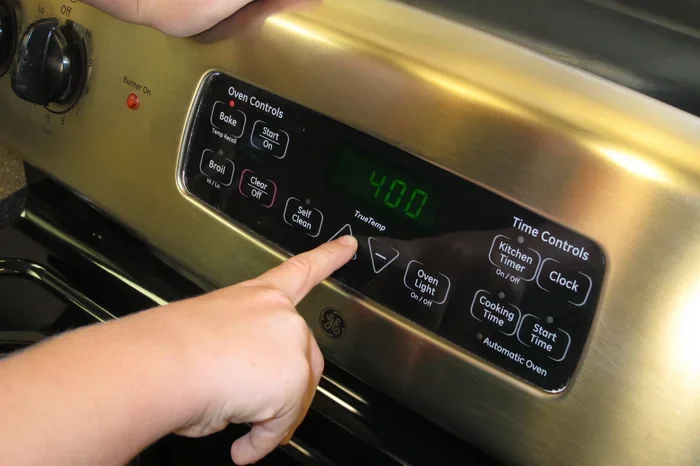
Start by preheating your oven to 325°F (163°C). This is the sweet spot for reheat biryani in oven. It is warm enough to heat the food through but gentle enough to avoid drying it out. Do not skip this step. Putting cold biryani into a cold oven leads to uneven heating and longer cook times.
Step 2: Choose the Right Container
Take your leftover biryani out of the fridge. Transfer it into an oven-safe container. Glass or ceramic dishes work perfectly. Avoid metal containers that can react with the acidic components of the gravy. If your biryani came in a takeout box, check if it is oven-safe first. Many plastic containers are not meant for oven use.
Step 3: Add Moisture
This is the secret step most people skip. Before covering your biryani, sprinkle a few tablespoons of water or chicken broth over the top. You can also drizzle a small amount of ghee or butter. This extra moisture creates steam inside the container, which keeps the rice soft and prevents it from clumping together.
Step 4: Cover Tightly with Foil
Wrap the container tightly with aluminum foil. The foil traps steam and creates a mini oven inside your dish. This is essential for keeping your biryani moist during the reheating process. If you have a lid that fits your container, that works even better.
Step 5: Reheat for 15 to 20 Minutes
Place the covered container on the middle rack of your oven. Set a timer for 15 minutes. After 15 minutes, carefully remove the foil and check the temperature. The biryani should be hot throughout. If it still feels cool in the middle, cover it again and heat for 3 to 5 more minutes. Do not overheat, or the rice will become dry and hard.
Step 6: Let It Rest
Once the biryani is heated through, take it out of the oven. Let it sit for 5 minutes before serving. This resting period allows the heat to distribute evenly. It also lets the flavors settle and come together. Your biryani is now ready to enjoy.
Setting the Right Oven Temperature and Time
Temperature and time are the two most important factors when you reheat biryani in oven. Getting them right makes the difference between perfectly heated biryani and a dried-out disappointment.
Recommended Temperature Range
The ideal temperature for reheating biryani is between 325°F and 350°F (163°C to 177°C). Here is why this range works so well:
- 325°F: Best for thick, heavy biryani with lots of gravy. The lower heat slowly warms everything through without risking dryness.
- 350°F: Great for drier biryani styles or when you want slightly crispier edges on the rice.
- Above 375°F: Avoid this. Higher temperatures will dry out the rice and may burn the top layer before the inside is warm.
Reheating Time Guidelines
The reheating time depends on how much biryani you have and how cold it was. Here is a simple breakdown:
- Small portion (1 to 2 servings): 10 to 15 minutes at 325°F
- Medium portion (3 to 4 servings): 15 to 20 minutes at 325°F
- Large portion (5 or more servings): 20 to 25 minutes at 325°F
- Frozen biryani: Thaw first in the fridge overnight, then reheat for 25 to 30 minutes at 325°F
Always check the internal temperature with a food thermometer if you are unsure. The biryani should reach at least 165°F (74°C) in the center for safe eating.
Comparison: Different Reheating Methods
Not sure if the oven is really the best option? Let us compare the most common ways to reheat leftover biryani.
| Method | Texture | Flavor | Moisture | Time | Best For |
|---|---|---|---|---|---|
| Oven | Fluffy, even | Rich, preserved | High (with foil) | 15-25 min | Best overall results |
| Microwave | Soggy, uneven | Dull, faded | Low | 2-5 min | Quick, last resort |
| Stovetop | Good, stir needed | Decent | Medium | 10-15 min | Small portions |
| Air Fryer | Crispy edges | Good | Medium-low | 8-12 min | Crispy rice lovers |
As you can see from the comparison table, the oven wins for overall quality. The microwave is fast but sacrifices too much on texture and flavor. The stovetop works in a pinch but requires more attention.
Tips to Keep Your Biryani Moist and Flavorful
Reheating biryani is not just about heating it up. It is about bringing it back to life. Here are some expert tips that will take your reheated biryani to the next level.
Use Broth Instead of Water
When you add moisture before reheating, use chicken broth or mutton broth instead of plain water. This adds extra flavor back into the rice and meat. It is a small change that makes a noticeable difference in the final taste.
Do Not Overcrowd the Container
Spread the biryani out evenly in the container. Do not pile it too high. When biryani is packed too tightly, the heat cannot reach the center properly. This leads to uneven reheating and cold spots in the middle.
Add Fresh Garnishes After Reheating
Biryani looks and tastes amazing with fresh garnishes. After reheating, add a sprinkle of fried onions, fresh cilantro, and a squeeze of lemon juice. These toppings were likely lost during storage, and adding them fresh brings the dish back to life.
Reheat Only What You Will Eat
This is a big one. Only reheat the portion you plan to eat. Reheating biryani multiple times degrades the quality each time. It also increases the risk of foodborne illness. Store the rest back in the fridge promptly.
Use a Baking Sheet Under the Container
If you are worried about your biryani sticking or the bottom burning, place the oven-safe container on a baking sheet. This provides an extra layer of protection and makes it easier to move the dish in and out of the oven.
Common Mistakes to Avoid When Reheating Biryani
Even with the best intentions, people make mistakes when reheating leftover biryani. Here are the most common ones and how to avoid them.
Using Too High a Temperature
This is the number one mistake. Many people set the oven to 400°F or higher because they want fast results. But high heat dries out the rice before the inside is warm. Stick to 325°F to 350°F for perfect reheat biryani in oven results.
Skipping the Moisture Step
Reheating biryani without adding any water or broth is a recipe for disaster. The rice will turn hard and clumpy. The meat will become tough. Always add a small amount of liquid before covering and reheating.
Leaving the Biryani Uncovered
Leaving your biryani uncovered in the oven lets all the steam escape. The moisture evaporates, and you end up with dry, unappetizing rice. Always cover your container with foil or a tight-fitting lid.
Reheating for Too Long
Overheating biryani is just as bad as underheating it. Check the biryani at the 15-minute mark. If it is already hot, take it out. Leaving it in for an extra 10 minutes can turn perfectly good biryani into a dry, crunchy mess.
Using the Wrong Container
Never put a plastic takeout container directly in the oven. It can melt, release harmful chemicals, and ruin your biryani. Always transfer your leftovers into a glass, ceramic, or certified oven-safe dish before reheating.
Reheating Different Types of Biryani in the Oven
Not all biryanis are the same, and different styles may need slight adjustments when reheating. Here is how to handle the most popular varieties.
Chicken Biryani
Chicken biryani is the most common type. When reheating chicken biryani in the oven, follow the standard steps above. The chicken pieces may dry out slightly, so adding a splash of chicken broth helps a lot. Reheat at 325°F for about 15 to 20 minutes.
Mutton Biryani
Mutton biryani has richer, deeper flavors. The meat is usually more tender and needs careful reheating to maintain its texture. Use 325°F and add a bit of mutton broth or water. Reheat for 20 to 25 minutes, checking at the 15-minute mark.
Vegetable Biryani
Vegetable biryani reheats very well in the oven because the vegetables hold moisture better than meat. Use 325°F and reheat for 12 to 18 minutes. Adding a teaspoon of olive oil or ghee before reheating keeps the vegetables from drying out.
Egg Biryani
Egg biryani is lighter and reheats quickly. The eggs can become rubbery if overheated. Keep the temperature at 325°F and reheat for only 10 to 15 minutes. Check early and often.
Expert Tips for Perfect Reheated Biryani Every Time
Here are some bonus tips from experienced cooks that will elevate your reheated biryani game.
- Layer a piece of bread on top: Place a slice of naan or bread on top of the biryani before reheating. It absorbs excess moisture and adds a nice crunch when you remove the foil.
- Add saffron milk after reheating: A few drops of warm saffron milk drizzled on top after heating brings a restaurant-quality aroma and color.
- Stir gently halfway through: For stovetop reheating, gently fold the biryani at the halfway point. But for oven reheating, the foil cover does this work for you.
- Store biryani properly: The way you store leftover biryani affects how well it reheats. Keep rice and meat separate if possible, or store in an airtight container in the fridge within two hours of cooking.
- Use the oven light to check: You do not need to open the oven door every few minutes. Use the oven light to check on your biryani without losing heat.
How to Store Biryani for Best Reheating Results
Proper storage is just as important as proper reheating. If you store your biryani correctly, it will reheat beautifully every time.
Let the biryani cool to room temperature within two hours of cooking. Do not leave it out overnight. Once cooled, transfer it into an airtight container. You can store biryani in the refrigerator for up to 2 days or in the freezer for up to 1 month.
If you plan to freeze biryani, portion it out before freezing. This way, you only thaw and reheat what you need. When you are ready to eat, thaw the biryani in the fridge overnight first. Then follow the reheat biryani in oven steps above for the best results.
Avoid storing biryani with raw onion layers for more than a day. The raw onion can become overly pungent and affect the overall taste. If possible, store biryani without the raw onion garnish and add fresh onions when serving.
Frequently Asked Questions
Can I reheat biryani in the oven more than once?
It is best to reheat biryani only once. Reheating it multiple times increases the risk of bacterial growth and degrades the quality of the rice and meat. Only reheat the portion you plan to eat in that sitting.
How long can I store leftover biryani before reheating?
You can store leftover biryani in the refrigerator for up to 2 days. For longer storage, freeze it for up to 1 month. Always reheat to an internal temperature of 165°F for food safety.
Can I reheat biryani in an air fryer instead of an oven?
Yes, an air fryer works well for reheating biryani. Set it to 325°F and heat for 8 to 12 minutes. The air fryer gives you crispy edges but may dry out the rice faster than an oven. Add a little water before reheating to keep it moist.
Do I need to add water every time I reheat biryani?
Yes, adding a small amount of water or broth is highly recommended every time. The biryani loses moisture during storage, and adding liquid before reheating helps restore the fluffy texture and prevents the rice from drying out.
Is it safe to reheat biryani that has been left out overnight?
No, it is not safe. Biryani should not be left at room temperature for more than 2 hours. Bacteria grow rapidly in the danger zone between 40°F and 140°F. If your biryani has been out overnight, it is best to discard it.
Can I reheat biryani directly in its original container?
Only if the container is labeled as oven-safe. Most plastic takeout containers are not oven-safe and can release harmful chemicals when heated. Always transfer biryani into a glass or ceramic oven-safe dish before reheating.
Conclusion
Knowing how to reheat biryani in oven is a skill that every biryani lover should have. It is simple, effective, and produces results that no other method can match. The oven gives you fluffy rice, tender meat, and preserved flavors every single time.
Remember the key steps: preheat to 325°F, add moisture, cover with foil, and reheat for 15 to 25 minutes. Avoid the common mistakes like using too high a temperature or skipping the moisture step. With these tips, your leftover biryani will taste just as amazing as it did on the first day.
Next time you have leftover biryani, do not reach for the microwave. Follow this guide and reheat biryani in oven for the perfect results. Your taste buds will thank you. Enjoy your biryani and never waste a single delicious leftover again.