How To Cook Pizza In Oven With Stone The Right Way
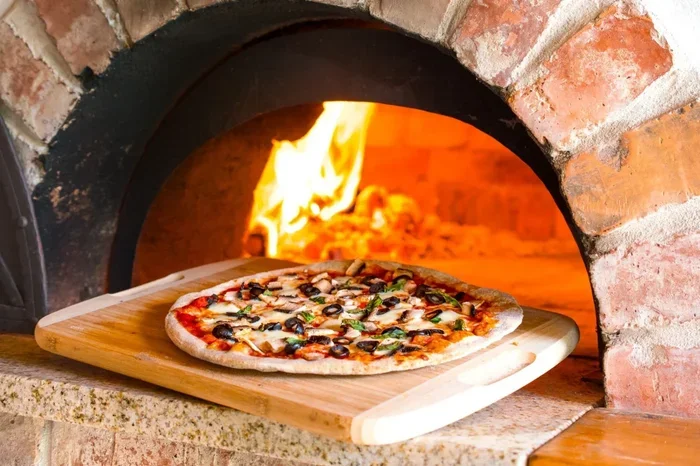
Cooking pizza in oven with stone is the best way to achieve a crispy, golden crust that tastes like it came from a professional pizzeria. A pizza stone absorbs moisture from the dough, creating that perfect crunch every time. This guide covers everything from choosing the right stone to mastering the bake. You will learn the exact steps, temperatures, and timing for flawless homemade pizza.
There is something magical about pulling a perfectly baked pizza out of your oven. The crust is crispy, the cheese is bubbly, and the toppings are cooked just right. If you have been wondering how to cook pizza in oven with stone, you are in the right place. Using a pizza stone transforms your home oven into something that mimics a professional wood-fired oven. The results are incredible, and the process is simpler than most people think.
A pizza stone is a flat, thick piece of ceramic, cordierite, or cast iron that absorbs moisture from your dough. This absorption is what creates that crispy, golden crust everyone loves. When you place your pizza directly on the hot stone, the bottom gets evenly heated. No more soggy middles or pale crusts. Whether you are a beginner or a seasoned home cook, learning how to cook pizza in oven with stone will level up your pizza game dramatically.
The beauty of using a pizza stone is that it works with almost any oven. You do not need a fancy pizza oven or a wood-fired setup. Your regular home oven can produce outstanding results with the right technique. In this guide, we will walk you through every step. You will learn how to choose the best stone, prepare it properly, bake at the right temperature, and care for it so it lasts for years.
Key Takeaways
- Pizza stones create a crispy crust: They absorb moisture and distribute heat evenly for professional results.
- Preheating is essential: Always heat your stone for at least 30 minutes before baking.
- The right temperature matters: Aim for 450°F to 500°F for the best pizza bake.
- Use a pizza peel: This tool makes transferring pizza onto the stone safe and easy.
- Season and care for your stone: Proper maintenance extends the life of your baking stone significantly.
- Avoid common mistakes: Do not oil your stone, and never place cold dough on a hot surface.
- Thin dough works best: Roll your pizza thin for faster cooking and a crispier finish.
📑 Table of Contents
- Why A Pizza Stone Makes All The Difference
- Choosing The Right Pizza Stone For Your Oven
- How To Prepare Your Pizza Stone For Baking
- Step-By-Step: How To Cook Pizza In Oven With Stone
- Common Mistakes To Avoid When Using A Pizza Stone
- Pro Tips For Perfect Pizza Every Time
- Pizza Stone Care And Maintenance
- Conclusion
Why A Pizza Stone Makes All The Difference
You might be asking yourself why a pizza stone matters so much. Can you not just bake pizza on a regular baking sheet? The answer is yes, but the results are completely different. A pizza stone works by storing intense heat and transferring it directly to the dough. This is the same principle that professional pizza ovens use, just on a smaller scale.
The Science Behind The Crispy Crust
When pizza dough hits a hot stone, the moisture on the surface of the dough evaporates quickly. This rapid evaporation is what creates crispiness. A regular baking sheet traps moisture underneath the pizza. The crust becomes soft and sometimes soggy. A pizza stone pulls that moisture away, giving you a crunch you cannot get any other way.
Another benefit is even heat distribution. Most baking sheets have hot spots and cool spots. A pizza stone spreads the heat across its entire surface. This means your pizza cooks uniformly from edge to center. The bottom gets beautifully browned, and the cheese melts perfectly on top.
Benefits Of Using A Pizza Stone
- Crispy crust every time: The stone absorbs excess moisture from the dough.
- Even cooking: Heat spreads evenly across the entire surface.
- Restaurant-quality results: You get a crust that tastes like it came from a pizzeria.
- Versatile cooking surface: You can also use it for bread, flatbreads, and pastries.
- Durable and long-lasting: A good pizza stone can last for many years with proper care.
- Affordable upgrade: A pizza stone costs much less than a dedicated pizza oven.
Expert Insight
Professional pizza makers always use a stone or steel surface. The reason is simple: it mimics the floor of a brick oven. When you use a pizza stone at home, you are using the same technique that has been used for centuries in Naples and beyond. The difference in crust quality is night and day compared to a metal baking sheet.
Choosing The Right Pizza Stone For Your Oven
Not all pizza stones are created equal. Choosing the right one depends on your oven type, budget, and how often you plan to use it. Let us break down the main options so you can make an informed decision.
Types Of Pizza Stones
The most common materials for pizza stones are ceramic, cordierite, and cast iron. Each has its own strengths. Ceramic stones are affordable and heat up quickly. Cordierite stones are more durable and resist thermal shock better. Cast iron stones heat up very hot and retain heat exceptionally well, but they are heavier.
When you are learning how to cook pizza in oven with stone, the material matters. A cordierite stone is often the best all-around choice for home ovens. It handles high temperatures well and is less likely to crack than ceramic. Cast iron is great if you want maximum heat retention, but it takes longer to preheat.
Size And Shape Considerations
Your pizza stone should fit inside your oven with some room for air circulation. Most stones are round or rectangular. Rectangular stones are great because they can fit a full-size pizza or even two smaller ones. Round stones are more traditional but may leave some unused space in rectangular ovens.
Measure the interior of your oven before buying. You need at least an inch of clearance on all sides for proper airflow. A stone that is too large will not fit, and one that is too small will limit the size of pizza you can make.
Quick Tips For Choosing
- Go for cordierite if you want durability: It handles temperature changes well.
- Choose ceramic for budget-friendly options: It works great for occasional use.
- Pick a thickness of at least 1/2 inch: Thicker stones store more heat and cook more evenly.
- Match the stone size to your oven: Leave space for air to circulate around the edges.
- Consider a pizza steel if you want even faster results: Steel conducts heat more aggressively than stone.
How To Prepare Your Pizza Stone For Baking
Preparing your pizza stone correctly is one of the most important steps. Many people skip this part and wonder why their pizza does not turn out right. Proper preparation ensures your stone is ready to deliver the perfect bake every single time.
Seasoning Your Pizza Stone
Unlike cast iron cookware, you should not oil your pizza stone. Pizza stones are porous, and oil can soak into them. Over time, this can cause smoke and unpleasant flavors. Instead, just use your stone as-is. The natural seasoning that builds up from baking pizza on it is all you need.
Some people believe you need to soak or wash a pizza stone. This is a mistake. Never submerge a pizza stone in water. The porous material absorbs moisture, which can cause it to crack when heated. Simply scrape off any stuck-on residue with a dry brush or a plastic scraper after it has cooled completely.
Preheating Your Pizza Stone
Preheating is absolutely critical when you cook pizza in oven with stone. You need to place the stone in the oven before turning it on. Then, set the oven to your target temperature and let the stone heat up for at least 30 to 45 minutes. This gives the stone enough time to absorb and store heat.
Place the stone on the middle rack or the lowest rack in your oven. The lower position works best because it puts the pizza closer to the top heating element. This helps the top of the pizza cook while the bottom gets that perfect crispiness from the stone.
Never place a cold pizza stone in a hot oven. The sudden temperature change can cause it to crack. Always put the stone in a cold oven and let everything heat up together. This is one of the most important rules for how to cook pizza in oven with stone safely and effectively.
Checking The Temperature
Most home ovens have hot spots. To check if your oven heats evenly, you can use an oven thermometer. Place it on the stone and see if the temperature matches what the oven dial says. Many ovens run hotter or cooler than their settings suggest. Knowing your true oven temperature helps you adjust your cooking time and get better results.
A good target temperature for pizza is between 450°F and 500°F. If your oven goes higher, even better. Some people preheat their oven to 550°F or even 600°F for an extra-crispy crust. Just make sure your pizza stone is rated for that temperature. Most cordierite stones can handle up to 1200°F, so you are safe in most home ovens.
Step-By-Step: How To Cook Pizza In Oven With Stone
Now that your stone is preheated and ready, it is time to bake. Here is the complete process for cooking pizza in oven with stone. Follow these steps closely, and you will notice a huge difference in your pizza quality.
Step 1: Prepare Your Dough
Start with your favorite pizza dough recipe. You can use store-bought dough or make your own from scratch. If you are using homemade dough, make sure it has risen properly. Cold, unrisen dough will not stretch well and will not cook evenly on the stone.
Lightly flour your work surface. Roll or stretch the dough into your desired shape and thickness. A thinner crust cooks faster and gets crispier on the stone. If you prefer a thick, fluffy crust, be aware that it will take longer to bake through.
Place the shaped dough on a piece of parchment paper or a floured pizza peel. The peel makes it easy to slide the pizza onto the hot stone without burning your hands.
Step 2: Add Your Toppings
Add sauce, cheese, and toppings to your pizza. Keep the toppings light and evenly distributed. Too many heavy toppings can make the center soggy and prevent the pizza from cooking properly on the stone.
Use a light hand with wet ingredients like fresh tomatoes or extra sauce. Excess moisture on top of the dough can steam the crust and make it soft. If you are using fresh vegetables, try to pat them dry first to remove excess water.
Step 3: Slide The Pizza Onto The Stone
Open your oven carefully and pull out the rack with the preheated stone. Using your pizza peel, gently slide the pizza onto the hot stone. Do not hesitate or linger over the stone. The faster you place the pizza, the less heat you will lose from the oven.
If you do not have a pizza peel, you can use the back of a baking sheet dusted with cornmeal or flour. The cornmeal acts as a lubricant and helps the pizza slide off easily onto the stone.
Close the oven door quickly to retain as much heat as possible. Every second the door is open, the oven temperature drops.
Step 4: Bake The Pizza
Bake the pizza for about 8 to 12 minutes at 450°F to 500°F. The exact time depends on your oven, the thickness of your crust, and how many toppings you use. Watch the pizza closely after the 6-minute mark.
You know the pizza is done when the crust is golden brown and the cheese is bubbly and slightly browned. The edges should look slightly charred, which is a sign of a well-baked pizza. If the top is browning too fast but the bottom is not crispy yet, try moving the stone to a higher rack position.
Step 5: Remove And Serve
Use your pizza peel to carefully remove the pizza from the oven. Slide it out slowly and gently. Place the pizza on a cutting board or a wire rack. Let it cool for 2 to 3 minutes before slicing. This resting time allows the cheese to set slightly, making it easier to cut clean slices.
Use a sharp pizza cutter or a large chef’s knife to slice through the crust. A dull knife will drag the toppings and cheese around, making a mess of your beautiful pizza.
Comparison Table: Pizza Stone Vs Baking Sheet
| Feature | Pizza Stone | Baking Sheet |
|---|---|---|
| Crust Crispiness | Very crispy and even | Soft and sometimes soggy |
| Heat Distribution | Excellent and even | Uneven with hot spots |
| Moisture Control | Absorbs excess moisture | Traps moisture underneath |
| Pizza Flavor | Enhanced, almost smoky | Standard, flat taste |
| Ease of Use | Requires a peel for transfer | Simple to place and remove |
| Preheating Time | 30 to 45 minutes | No preheating needed |
| Durability | Lasts many years with care | Lasts years but no seasoning benefit |
| Price Range | $15 to $50 | $5 to $20 |
Common Mistakes To Avoid When Using A Pizza Stone
Even with the best pizza stone, mistakes can happen. Knowing what to avoid will save you from ruined pizzas and damaged stones. Here are the most common errors people make when cooking pizza in oven with stone.
Mistake 1: Not Preheating Long Enough
The number one mistake is not preheating the stone long enough. A stone that is not fully heated will not crisp the crust properly. Always give your stone at least 30 minutes to heat up. Some experts recommend 45 minutes to an hour for the best results. Patience here pays off big time.
Mistake 2: Placing Cold Dough On A Hot Stone
Never place cold pizza dough directly onto a hot stone. The sudden temperature shock can cause the stone to crack. Let your dough come to room temperature before baking. Take it out of the fridge about 20 to 30 minutes before you plan to cook. This also helps the dough rise slightly and bake more evenly.
Mistake 3: Using Too Much Topping
Overloading your pizza with toppings is a quick path to a soggy middle. The stone needs the dough to be exposed to direct heat. When you pile on too much sauce, cheese, and toppings, the moisture gets trapped and the bottom crust steams instead of crisping. Keep it simple for the best results.
Mistake 4: Washing The Stone With Water
Never wash your pizza stone with water or put it in the dishwasher. The porous material absorbs water, which can cause cracking when you heat it again. Just scrape off any stuck bits with a dry brush or a plastic scraper. The stone develops its own natural seasoning over time, and that is a good thing.
Mistake 5: Moving The Pizza Too Soon
Do not try to move or rotate the pizza too early. The dough needs time to set on the stone before you can shift it. Wait at least 3 to 4 minutes before attempting to rotate the pizza for even browning. Use a thin, flexible spatula or a second peel to gently lift and turn the pizza if needed.
Pro Tips For Perfect Pizza Every Time
Once you have the basics down, these pro tips will take your pizza to the next level. These are the small details that separate a good homemade pizza from a great one.
Use Cornmeal Or Semolina On The Peel
Dust your pizza peel with cornmeal or semolina flour before placing the dough on it. This creates a barrier that helps the pizza slide smoothly onto the hot stone. It also adds a subtle crunch to the bottom of the crust. Regular flour works too, but cornmeal and semolina are more effective and add a nice texture.
Make Your Dough The Night Before
Cold pizza dough that has been resting in the fridge overnight develops more flavor. The slow fermentation creates a more complex taste and a better texture. Take the dough out about an hour before baking to let it warm up. This simple step makes a noticeable difference in the final product.
Try The Two-Stage Bake Method
If you like a very crispy bottom but a perfectly melted top, try the two-stage bake. Bake the pizza on the stone for the first 5 to 6 minutes. Then, switch to the broiler on the top rack for the last 2 to 3 minutes. This gives you a super crispy crust with beautifully bubbled, golden cheese on top.
Experiment With Different Flours
Not all pizza doughs are the same. Try using bread flour instead of all-purpose flour for a chewier, more structured crust. Bread flour has a higher protein content, which creates more gluten and gives the dough more elasticity. For a lighter, more airy crust, try a blend of all-purpose and 00 flour, which is the traditional flour used in Neapolitan pizza.
Clean Your Stone Only When Completely Cool
Always let your pizza stone cool down completely before cleaning it. Cleaning a hot stone with water or a brush can cause thermal shock, which leads to cracks. Give it at least 2 hours to cool to room temperature. Then use a dry brush or a damp cloth to wipe it clean. Never use soap or detergent on a pizza stone. The porous material can absorb soap flavors, which will transfer to your next pizza.
Rotate Your Pizza Halfway Through
Most home ovens have hot spots. To ensure even cooking, rotate your pizza 180 degrees halfway through the bake. This simple trick prevents one side from burning while the other side stays pale. Use your peel or a pair of oven mitts to carefully turn the pizza.
Pizza Stone Care And Maintenance
Taking care of your pizza stone properly will keep it working beautifully for many years. A well-maintained stone actually improves with use, developing a natural non-stick surface and enhancing the flavor of your pizza over time.
Cleaning Do’s And Don’ts
- Do: Scrape off stuck bits with a plastic scraper or a dry brush.
- Do: Let the stone cool completely before cleaning.
- Do: Store the stone in a dry place to prevent moisture buildup.
- Don’t: Submerge the stone in water or soak it.
- Don’t: Use soap, detergent, or chemical cleaners on the stone.
- Don’t: Place the stone in the dishwasher.
- Don’t: Use a metal scraper that can scratch and damage the surface.
Dealing With Stains And Discoloration
Over time, your pizza stone will develop stains and discoloration. This is completely normal and actually a sign that the stone is being used and seasoned properly. These stains do not affect the performance or the taste of your pizza. In fact, many pizza enthusiasts consider the darkened surface of a well-used stone to be a badge of honor.
If stains bother you, you can try lightly sanding the surface with fine-grit sandpaper. However, this is rarely necessary and most people embrace the natural patina that develops over time.
Storage Tips
Store your pizza stone in a cool, dry place. If you stack it with other cookware, place a soft cloth between the stone and any metal surfaces to prevent scratching. Never store a stone in a damp area like a garage or basement where moisture can seep into the material. Moisture is the enemy of pizza stones and can lead to cracking during use.
Conclusion
Learning how to cook pizza in oven with stone is one of the best upgrades you can make to your home cooking. The difference in crust quality is immediate and dramatic. You get crispy, golden bottoms, evenly cooked toppings, and a flavor that no baking sheet can match. With the right stone, proper preparation, and a little practice, you can make restaurant-quality pizza in your own kitchen.
Remember to preheat your stone for at least 30 minutes, use a pizza peel for easy transfer, and keep your toppings light for the best results. Avoid common mistakes like washing the stone with water or placing cold dough on a hot surface. With proper care and maintenance, your pizza stone will serve you well for years to come.
Now that you know the right way to cook pizza in oven with stone, it is time to get in the kitchen and try it for yourself. Make your favorite dough, preheat that stone, and enjoy the satisfying crunch of a perfectly baked homemade pizza. Once you taste the difference, you will never go back to a regular baking sheet again.
Frequently Asked Questions
Can I use a pizza stone on a gas oven?
Yes, absolutely. Pizza stones work great in gas ovens. Place the stone on the lowest rack and preheat for at least 30 minutes. Gas ovens tend to have more even heat distribution, which pairs well with the consistent cooking surface of a pizza stone.
How long should I preheat a pizza stone before baking?
You should preheat your pizza stone for at least 30 to 45 minutes. For best results, preheat for a full hour. This gives the stone enough time to absorb and store heat, which is what creates the crispy crust when your pizza hits the surface.
Can I cut pizza directly on the pizza stone?
It is not recommended to cut pizza directly on the stone. The hard surface can scratch or damage the stone, and dragging a pizza cutter across it can create grooves. Always transfer the pizza to a cutting board first.
Why did my pizza stone crack?
Pizza stones usually crack due to thermal shock. This happens when you place a cold stone in a hot oven or put cold dough on a hot surface. Always heat the stone in a cold oven and let your dough come to room temperature before baking.
Is a pizza steel better than a pizza stone?
A pizza steel conducts heat faster than a stone, which means crispier results in less time. However, pizza stones are more affordable and easier to handle. If you bake pizza frequently and want the best possible crust, a steel is worth considering. For occasional bakers, a stone works perfectly well.
Can I use a pizza stone for other foods besides pizza?
Yes, pizza stones are very versatile. You can use them to bake bread, make flatbreads, cook quesadillas, bake cookies, and even roast vegetables. The even heat distribution makes them great for any recipe that benefits from a hot, consistent cooking surface.