Why Is My Oven Clicking So Much and What Does It Mean
An oven clicking sound is common, but constant or unusual clicking can signal a real problem. Whether you have a gas or electric oven, the oven clicking noise can come from the igniter, relay switch, bake element, or control board. This guide helps you understand why your oven clicks, when the sound is normal, and exactly how to fix it yourself or know when to call a pro.
You are standing in the kitchen, ready to bake your favorite cookies. Then you hear it. A steady, rhythmic oven clicking noise that just will not stop. It can be annoying, worrying, and honestly, a little unsettling. The first question that pops into your mind is usually the same: why is my oven clicking so much?
The truth is, some oven clicking is completely normal. Your oven needs to click to ignite the gas or signal that it is ready to heat. But when the oven clicking noise becomes constant, loud, or happens when the oven is off, that is a different story. It means something inside needs attention.
This article breaks down every reason your oven might be clicking. We will cover gas and electric models, normal versus abnormal sounds, common causes, and easy fixes you can try at home. By the end, you will know exactly what is going on and what to do next.
Key Takeaways
- Normal clicking is expected: Brief clicking during ignition or preheat is perfectly normal and part of how your oven works.
- Igniter failure is the top culprit: A weak or broken igniter causes continuous clicking and prevents your oven from heating properly.
- Relay switches wear out over time: A faulty relay can make your oven click nonstop, even when it is not turned on.
- Electric and gas ovens have different causes: Understanding your oven type helps narrow down the problem quickly.
- Some fixes are DIY-friendly: Cleaning the igniter, checking the bake element, and resetting the control board are simple steps anyone can try.
- Know when to call a technician: Control board failure or gas valve issues need professional attention to stay safe.
📑 Table of Contents
Understanding How Your Oven Works
Before we dive into the causes, it helps to understand the basic oven troubleshooting process. When you turn on your oven, a series of events happens very quickly. The oven control board sends a signal. The igniter or heating element activates. Gas flows (in gas models). The oven heats up. Each of these steps involves parts that can click.
In a gas oven, the spark electrode or hot surface igniter creates a spark to light the gas. In an electric oven, the bake element and broil element glow red hot to produce heat. Both types use a relay switch and a control board to manage the process. When any of these parts malfunction, clicking is often the first warning sign.
Normal Clicking vs. Problematic Clicking
Not all oven clicking is bad. Here is how to tell the difference between normal and problematic sounds.
Normal clicking includes:
- A few clicks when you turn the oven on and the igniter starts working
- Soft clicking during the self-clean cycle as the oven manages temperature
- Brief clicking sounds when the oven timer is set
- Occasional clicks during the preheat phase
Problematic clicking includes:
- Continuous clicking that lasts more than 60 seconds
- Clicking when the oven is completely off
- Clicking paired with no heat or uneven heating
- Loud, rapid clicking that sounds different from usual
- Clicking that comes with a burning smell or visible damage
Common Causes of Oven Clicking
Now let us get into the heart of the matter. There are several reasons your oven might be clicking so much. Each one has its own set of symptoms and fixes.
1. Faulty Igniter (Gas Ovens)
This is the number one cause of oven clicking noise in gas models. The igniter is a small part that glows hot to light the gas burner. Over time, it can wear out, get coated in grease, or crack. When the igniter fails, the oven keeps trying to ignite the gas. The result? Nonstop oven clicking.
Signs of a bad igniter include:
- The oven clicks but does not light
- The igniter glows dimly or not at all
- Food takes much longer to cook
- The oven temperature is inconsistent
Replacing the igniter is one of the most common oven repair jobs. The part itself usually costs between 30 and 80 dollars. If you are handy, you can do it yourself. Otherwise, a technician can handle it in under an hour.
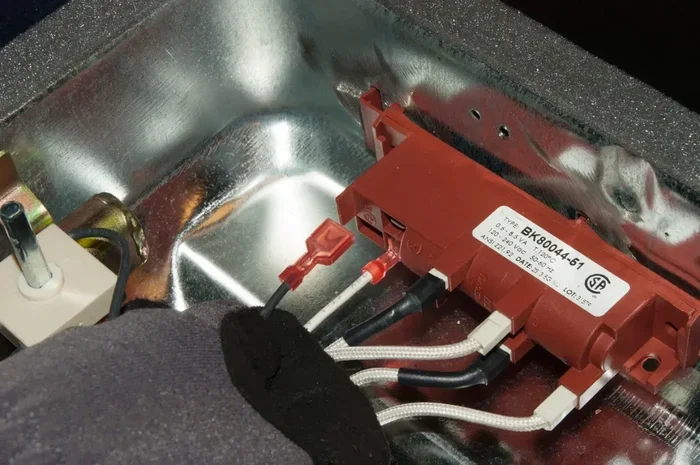
2. Spark Electrode Failure (Gas Ovens)
Some gas ovens use a spark electrode instead of a hot surface igniter. The electrode sends a spark to ignite the gas. When the electrode gets dirty, cracked, or corroded, it can produce a constant clicking sound without actually sparking properly.
Quick tips for spark electrode issues:
- Check for food debris or grease buildup around the electrode
- Clean the electrode gently with a soft brush and mild cleaner
- Inspect for visible cracks or damage
- Replace the electrode if it looks worn or broken
3. Bake Element Problems (Electric Ovens)
In electric ovens, the bake element is the bottom heating element. When it works properly, it glows red and heats the oven evenly. But when the element develops a crack or hole, it can short out. The control board then keeps trying to send power, which causes rapid oven clicking.
Signs of a failing bake element:
- The element does not glow red when the oven is on
- You can see visible holes or cracks in the element
- The oven heats unevenly or not at all on the bottom
- There is a burning smell coming from the oven
Replacing a bake element is usually straightforward. The part costs around 30 to 60 dollars, and the repair is a common DIY project for most homeowners.
4. Broil Element Failure (Electric Ovens)
The broil element sits at the top of the oven. It works the same way as the bake element but heats from above. A faulty broil element can also cause persistent clicking. This is less common than bake element issues, but it happens. If your oven clicks when you switch to broil mode, the broil element is a likely suspect.
5. Relay Switch Malfunction
The relay switch is a small electrical component on the control board. It acts like a switch that sends power to the heating elements. When the relay fails, it can stick in the “on” position or cycle rapidly. This creates a steady continuous clicking sound that does not stop.
Relay switch problems are more serious because they often mean the control board itself is failing. In many cases, replacing the relay requires replacing the entire control board. This repair typically costs between 150 and 400 dollars, depending on your oven brand and model.
6. Control Board Issues
The oven control board is the brain of your appliance. It manages temperature, timing, and power distribution. When the board develops an electrical fault, it can send erratic signals. The result is nonstop oven clicking, even when the oven is off or not set to heat.
Control board failure symptoms include:
- The oven clicks randomly without being turned on
- Buttons on the control panel do not respond
- The oven displays error codes
- Heating elements turn on and off erratically
Unfortunately, control board replacement is not a DIY fix for most people. It requires electrical knowledge and proper handling. A licensed appliance technician should handle this repair.
7. Gas Valve or Safety Valve Problems
In gas ovens, the safety valve controls the flow of gas to the burner. If the valve is stuck or faulty, the igniter keeps trying to light the gas. The oven clicks and clicks but never actually ignites. This is a safety concern because unburned gas can be dangerous.
If you suspect a gas valve issue, stop using the oven immediately. Contact a professional technician. Do not try to repair gas valve problems on your own. Gas leaks are serious and can put your household at risk.
8. Self-Clean Cycle Malfunction
The self-clean cycle heats the oven to extremely high temperatures to burn off food residue. During this cycle, you may hear more clicking than usual. The oven cycles the heating elements on and off to maintain high heat. This is normal.
However, if the self-clean cycle gets stuck or the oven does not reach the proper temperature, the clicking can become excessive. This usually points to a failing bake element or a problem with the control board.
9. Oven Timer or Electronic Controls
Some ovens have a mechanical or electronic timer that produces clicking sounds as it counts down. This is completely normal and nothing to worry about. The clicking should stop when the timer reaches zero or when you turn it off.
If the timer clicking is too loud or annoying, check if your oven has a sound-off option in the settings. Many modern ovens allow you to mute the timer alert.
Gas Oven Clicking vs. Electric Oven Clicking
Understanding whether you have a gas oven or an electric oven is the first step in diagnosing the problem. The causes and fixes are quite different.
| Feature | Gas Oven Clicking | Electric Oven Clicking |
|---|---|---|
| Most Common Cause | Faulty igniter or spark electrode | Failed bake or broil element |
| Normal Clicking | During ignition spark sequence | During element cycling on preheat |
| Abnormal Clicking | Constant clicking with no ignition | Continuous clicking with no heat |
| Safety Concern | Gas leak risk if valve is faulty | Electrical short risk |
| Typical Repair Cost | 50 to 200 dollars | 30 to 400 dollars |
| DIY Fix Possible | Yes, for igniter and electrode | Yes, for bake and broil elements |
The table above shows that gas oven clicking is most often related to the ignition system, while electric oven clicking usually traces back to the heating elements or control board. Use this as a starting point for your oven troubleshooting.
When to Call a Professional
Not every oven clicking problem is something you should tackle yourself. Here are clear signs that it is time to call a professional technician:
- The oven clicks and produces no heat at all. This suggests a serious electrical or gas component failure.
- You smell gas near a gas oven. This is an emergency. Leave the area, do not use any electrical switches, and call your gas company immediately.
- The control board shows error codes that you cannot clear. Error codes point to specific problems that need professional diagnosis.
- The clicking started after a power surge or electrical storm. Power surges can damage the control board and other sensitive components.
- You have tried basic fixes but the clicking continues. Sometimes the problem is deeper than surface-level troubleshooting can reveal.
The average oven repair cost ranges from 100 to 450 dollars depending on the part and labor. Igniter replacements tend to be the cheapest, while control board repairs fall on the higher end. Always ask for a diagnostic fee upfront before approving any repair work.
How to Prevent Oven Clicking Problems
Prevention is always better than repair. Here are simple steps to keep your oven running smoothly and avoid excessive clicking:
- Clean your oven regularly. Grease and food debris can coat the igniter, electrode, and heating elements. A monthly wipe-down goes a long way.
- Inspect heating elements periodically. Look for cracks, holes, or discoloration. Catching damage early prevents worse problems.
- Do not slam oven doors. The impact can loosen electrical connections and damage sensitive components over time.
- Use your oven within its intended settings. Avoid running the self-clean cycle more often than necessary. The extreme heat stresses internal parts.
- Protect against power surges. Use a surge protector for your kitchen outlets. Power surges are a leading cause of control board failure.
- Schedule annual maintenance. A professional inspection can catch small problems before they turn into expensive repairs.
Common Mistakes People Make When Their Oven Clicks
When people hear their oven clicking nonstop, they often make mistakes that either make the problem worse or waste money. Here are the most common ones:
Mistake 1: Ignoring the clicking. Some people assume the oven will fix itself. It will not. A small problem today becomes a big repair bill tomorrow. Address the clicking as soon as you notice it.
Mistake 2: Trying to fix gas components without training. Gas ovens involve flammable fuel. If you are not experienced with gas appliance repair, leave it to the professionals. A wrong move can cause a gas leak.
Mistake 3: Replacing parts without diagnosing the real issue. A clicking oven does not always mean a bad igniter or element. The relay switch or control board could be the real culprit. Replacing the wrong part wastes money and time.
Mistake 4: Using the oven while it is clicking abnormally. If the oven clicks continuously and does not heat, stop using it. Continued use can damage other components and create safety risks.
Mistake 5: Skipping the manual. Your oven manual contains troubleshooting guides specific to your model. Before calling a repair service, check the manual. You might find the answer and save money on a service call.
Expert Insight
According to appliance repair professionals, most oven clicking issues fall into three categories: ignition problems, element failure, and control board faults. The good news is that two out of three of these are relatively affordable to fix. The key is to diagnose early and act quickly. A quick 10-minute inspection can save you hundreds of dollars in repair costs down the road.
Quick Tips to Stop Oven Clicking
Here are some fast, practical tips you can try right now:
- Turn off the oven and wait 30 seconds. Then turn it back on. Sometimes a simple reset clears the issue.
- Check the power supply. Make sure the oven is plugged in securely or that the circuit breaker has not tripped.
- Clean the igniter area with a soft brush. Remove any grease or debris that might be blocking proper ignition.
- Inspect the bake element for visible damage. Look for cracks, holes, or spots where the element is not glowing.
- Try a different temperature setting. If the clicking only happens at one setting, the problem might be isolated to that heating element.
- Listen carefully to the clicking pattern. A steady, rhythmic click during ignition is normal. A rapid, unending click is not.
Key Takeaways
- Brief clicking during ignition is normal: Your oven needs to click to ignite gas or cycle heating elements. This is expected behavior.
- Continuous clicking is a red flag: If the clicking does not stop within 60 seconds, something inside needs attention.
- Igniter failure is the most common cause: In gas ovens, a worn-out igniter is the top reason for nonstop oven clicking.
- Heating element failure affects electric ovens: A cracked or burned-out bake or broil element causes the control board to keep trying, resulting in clicking.
- Relay and control board issues need professional help: These are more complex repairs that require technical expertise.
- Gas valve problems are a safety risk: Never attempt to repair gas valve issues yourself. Always call a licensed professional.
- Regular maintenance prevents most problems: Cleaning and inspecting your oven regularly catches small issues before they become big ones.
Conclusion
So, why is my oven clicking so much? The answer depends on your oven type, the clicking pattern, and which components are involved. In most cases, the culprit is a worn igniter, a failing heating element, or a tired relay switch. The good news is that most oven clicking problems are fixable, often at a reasonable cost.
Start by identifying whether the oven clicking noise is normal or abnormal. Use the tips and checks in this guide to narrow down the cause. Try the simple fixes first, like cleaning the igniter or resetting the oven. If the problem persists, do not hesitate to call a professional. Your safety and the longevity of your appliance are worth it.
Remember, a little attention early on can save you from a major oven repair bill later. Pay attention to the sounds your oven makes. It is trying to tell you something. Listen to it, and you will keep your kitchen running smoothly for years to come.
Frequently Asked Questions
Why does my oven click when I turn it on but then stop?
This is completely normal. The clicking sound is the igniter or heating element cycling as the oven starts up. Once the oven reaches the set temperature, the clicking stops. This is just your oven doing its job.
Can a clicking oven cause a fire?
In most cases, a clicking oven does not cause a fire. However, if the clicking is caused by a gas valve issue or a shorted electrical component, it can create a safety hazard. If you smell gas or notice burning smells along with the clicking, turn off the oven and call for help immediately.
How much does it cost to fix an oven that clicks nonstop?
The cost depends on the cause. Replacing an igniter or bake element typically costs 50 to 150 dollars for parts and labor. Relay switch or control board repairs can range from 150 to 400 dollars. Always get a diagnostic estimate before approving any repair.
Is it safe to keep using my oven if it clicks a lot?
Short bursts of clicking during normal operation are safe. But if the clicking is constant and the oven does not heat, stop using it. Continued use on a malfunctioning oven can cause further damage or create safety risks.
How do I know if my oven igniter needs replacement?
Signs of a failing igniter include the oven clicking but not lighting, the igniter glowing dimly instead of bright orange, or food taking much longer to cook. If you notice these symptoms, the igniter is likely the problem and should be replaced.
Can I fix the oven clicking problem myself?
Yes, for many causes like cleaning the igniter, inspecting heating elements, or resetting the oven. These are simple tasks. However, if the problem involves the control board, relay switch, or gas valve, it is best to hire a professional technician for safety reasons.
=== CONCLUSION ===
Oven clicking is something most homeowners deal with at some point. The key is knowing when the sound is normal and when it is a warning sign. Use the information in this guide to diagnose the issue, try simple fixes, and know when to call for help. Your oven works hard for you every day. A little care and attention goes a long way in keeping it running quietly and efficiently.