Can I Put Stainless Steel In The Oven Without Damage
Yes, you can put stainless steel in the oven — but only if you follow a few simple rules. Not all stainless steel is created equal, and using the wrong grade or overheated pan can cause damage. This guide explains exactly how to use stainless steel cookware safely in the oven, what temperatures to watch for, and how to avoid warping or warping. Whether you bake, roast, or broil, you will learn everything you need to keep your kitchen tools in great shape.
You have a beautiful stainless steel pan sitting on your countertop. Maybe it is a sleek skillet or a sturdy baking sheet. You are about to cook something delicious, and the recipe says to pop it in the oven. But then a thought hits you — can I put stainless steel in the oven? It is a simple question, but the answer matters a lot. Using the wrong cookware in a hot oven can ruin your food, damage your pans, or even create safety hazards.
The good news is that stainless steel is generally oven safe. Most high-quality stainless steel cookware handles oven heat with ease. But not every piece is created equal. The grade of the steel, the construction of the pan, and the type of handles all play a role. In this article, we will walk you through everything you need to know about using stainless steel in the oven without any damage. You will learn about safe temperatures, common mistakes, and pro tips that will keep your cookware lasting for years.
Key Takeaways
- Stainless steel is generally oven safe up to 500-600°F depending on the grade and construction.
- Check for an oven-safe symbol or manufacturer guidelines before placing any pan in the oven.
- Avoid rapid temperature changes to prevent thermal shock and warping.
- Grade 304 and 316 stainless steel are the safest and most commonly used for oven-safe cookware.
- Handles, lids, and rivets matter — not all parts of a stainless steel pan can handle high heat.
- Preheating an empty stainless steel pan is one of the most common mistakes that causes damage.
- Stainless steel outperforms many other metals in durability, non-toxicity, and heat distribution when used correctly.
📑 Table of Contents
- Understanding Stainless Steel and Oven Safety
- What Happens When You Put Stainless Steel in the Oven
- How to Know If Your Stainless Steel Is Oven Safe
- Best Practices for Using Stainless Steel in the Oven
- Common Mistakes to Avoid
- Stainless Steel vs Other Oven-Safe Materials
- When to Avoid Putting Stainless Steel in the Oven
- Expert Insights on Stainless Steel Oven Use
- Key Takeaways
- Conclusion
Understanding Stainless Steel and Oven Safety
Before you toss any pan into a hot oven, it helps to understand what stainless steel actually is. Not all steel is the same, and not all of it handles heat the same way. Knowing the basics will save you from costly mistakes and help you make smarter choices in the kitchen.
What Makes Stainless Steel Oven Safe?
Stainless steel is an alloy made mostly of iron, chromium, and nickel. The chromium content creates a protective layer that resists rust and corrosion. This is why stainless steel is so popular for kitchen tools. When it comes to oven use, the key factors are the grade of stainless steel and the overall build quality of the pan.
Most food-grade stainless steel can handle temperatures up to 500-600°F. That covers the range of most home ovens. However, some lower-quality stainless steel or pans with mixed materials may have lower limits. Always look for the oven-safe symbol on the bottom of the pan or check the manufacturer’s instructions.
Common Grades of Stainless Steel Used in Cookware
Not all stainless steel is food grade. Here are the most common grades you will encounter:
- Grade 304 (18/8): The most popular grade for kitchen cookware. It contains 18% chromium and 8% nickel. It is highly oven safe and resists corrosion well.
- Grade 316: Often called marine-grade stainless steel. It has added molybdenum for extra durability. It handles high heat beautifully and is common in premium cookware.
- Grade 430: A more affordable option with lower nickel content. It is oven safe but less resistant to rust and corrosion over time.
If your pan does not list a grade, look for labels like food grade stainless steel or 18/10 stainless steel. These are reliable indicators that your pan can handle oven heat.
What Happens When You Put Stainless Steel in the Oven
Stainless steel is designed to handle heat. But that does not mean it is invincible. Understanding what happens under high temperatures helps you use your pans with confidence and care.
Heat Distribution and Retention
One of the strengths of stainless steel cookware is its ability to distribute heat evenly when the pan has a thick, layered base. Many quality stainless steel pans feature an aluminum or copper core sandwiched between layers of steel. This combination gives you the best of both worlds — durability on the outside and excellent heat flow on the cooking surface.
In the oven, this layered construction really shines. Your food cooks more evenly, and you get better browning and roasting results. However, thin or single-ply stainless steel pans may develop hot spots. These can lead to uneven cooking or burnt edges.
Thermal Shock and Warping
Thermal shock is one of the biggest enemies of stainless steel pans. It happens when you move a pan from a cold surface to a very hot oven, or vice versa. The rapid temperature change causes different parts of the pan to expand at different rates. Over time, this leads to warping stainless steel — your once-flat pan becomes curved and uneven.
A warped pan does not sit properly on the stove or in the oven. It rocks, wobbles, and cooks food unevenly. In worst cases, a warped pan may become unusable. The good news is that preventing thermal shock is simple. Always let your pan come to room temperature before placing it in a hot oven. Never plunge a hot pan into cold water.
Is Stainless Steel Toxic at High Temperatures?
Many home cooks worry about stainless steel toxicity when cooking at high heat. The great news is that high-quality stainless steel is completely non-toxic. It does not leach harmful chemicals into your food, even at high heat stainless steel temperatures. This makes it one of the safest choices for oven cooking.
Unlike some non-stick coatings that can break down and release fumes at high temperatures, stainless steel remains stable. It is a non toxic baking option that health-conscious cooks can feel good about. Just make sure your pan is made from food-grade materials and does not have damaged or peeling coatings.
How to Know If Your Stainless Steel Is Oven Safe
Not every stainless steel pan is automatically oven safe. Some pieces have components that cannot handle high heat. Knowing how to check is essential before you preheat your oven.
Look for the Oven-Safe Symbol
Most quality cookware brands mark their products with an oven-safe symbol. This looks like a small oven icon on the bottom of the pan or in the product manual. If you see this symbol, your pan has been tested and approved for oven use.
If there is no symbol, check the product packaging or the brand’s website. Many manufacturers list the maximum oven temperature right on their site. When in doubt, contact customer service. They can confirm whether your specific model is safe for oven use.
Check the Handles and Rivets
This is where many people get caught off guard. The pan body might be oven proof stainless steel, but the handles might not be. Bakelite handles, for example, can only handle temperatures up to about 350-400°F. Metal handles are generally more heat resistant, but they can still get extremely hot.
Rivets that attach handles can also be a weak point. Some rivets are made from materials that expand at different rates than the steel. Over time, this can loosen the handle or cause damage. Always check the entire pan — not just the body — before placing it in the oven.
Examine the Lid
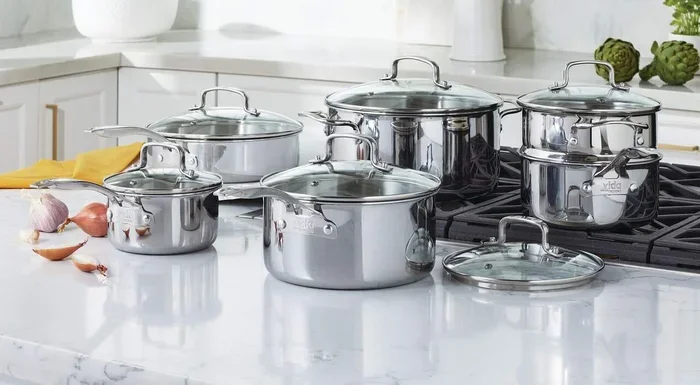
If your stainless steel pan comes with a lid, check its oven safety too. Glass lids are usually not oven safe above 350-400°F. Silicone handles on lids have similar temperature limits. A stainless steel lid with a metal knob is typically the safest choice for oven use. If the lid has a plastic or wooden knob, remove it or use a separate oven-safe lid.
Best Practices for Using Stainless Steel in the Oven
Using stainless steel in the oven is straightforward once you know the basics. Follow these practices to get the best results and keep your cookware in top shape.
Preheat Your Oven First
Always preheat your oven before placing your stainless steel pan inside. A gradual temperature increase is much gentler on your cookware. This simple step reduces the risk of thermal shock and helps your food cook more evenly.
Use Oven Mitts and Protect Your Surfaces
Stainless steel pans get extremely hot in the oven. Always use thick oven mitts when handling them. Place hot pans on a trivet or heat-resistant mat — never directly on a countertop or table surface. A hot pan can damage wood, laminate, or plastic surfaces instantly.
Add Liquid When Necessary
For long cooking times or high-temperature roasting, adding a small amount of liquid to the pan helps regulate heat. It prevents food from sticking and reduces the risk of overheating the pan. This is especially helpful when stainless steel baking dishes or roasting pans.
Let the Pan Cool Naturally
After removing your stainless steel pan from the oven, let it cool on a heat-safe surface. Do not place it on a cold stone or metal surface right away. Letting it cool gradually protects the pan from thermal shock and extends its lifespan significantly.
Clean Properly After Each Use
Hand washing is the best way to maintain your stainless steel cookware. While many stainless steel pans are dishwasher safe, hand washing preserves the finish and prevents damage from harsh detergents. Use warm water, mild dish soap, and a soft sponge. For stubborn stains, a paste of baking soda and water works wonders.
Quick Tips for Oven-Use Success
- Always check the manufacturer’s maximum temperature recommendation.
- Avoid placing cold pans directly into a hot oven.
- Use pan liners or parchment paper to prevent food from sticking.
- Store pans with a protective layer between them to prevent scratching.
- Replace any pan with damaged or loose handles before oven use.
Common Mistakes to Avoid
Even experienced cooks make mistakes with stainless steel cookware. Knowing what to avoid saves time, money, and frustration.
Preheating an Empty Pan
One of the most common errors is preheating an empty stainless steel pan in the oven or on the stove. Empty stainless steel heats up very quickly and unevenly. This can cause discoloration, warping, or even release trace metals from the surface. Always add oil or food before heating your pan.
Ignoring Temperature Limits
Just because stainless steel is heat resistant does not mean it has no limits. Pushing your pan beyond its recommended temperature can cause permanent damage. The oven temperature limit varies by brand and construction. Respect these limits to keep your cookware performing at its best.
Using Abrasive Cleaners
Steel wool and harsh scrubbers can scratch the surface of your stainless steel. Scratches create tiny grooves where food sticks and bacteria can hide. Stick to gentle cleaning methods. A soft sponge and baking soda paste handle most cleaning jobs effectively.
Overloading the Oven
Crowding your oven with too many pans restricts airflow. This leads to uneven cooking and hot spots. Give your stainless steel pans space in the oven so air can circulate freely around them.
Stainless Steel vs Other Oven-Safe Materials
Stainless steel is not the only option for oven-safe cookware. Let us compare it with other popular materials so you can make informed choices.
| Material | Max Oven Temp | Oven Safe | Non-Toxic | Durability |
|---|---|---|---|---|
| Stainless Steel | 500-600°F | Yes | Yes | Excellent |
| Cast Iron | 500°F+ | Yes | Yes | Excellent |
| Carbon Steel | 500°F+ | Yes | Yes | Very Good |
| Ceramic | 450-500°F | Yes | Yes | Moderate |
| Glass | 400-450°F | Yes | Yes | Moderate |
| Non-Stick Coated | 350-500°F | Varies | Varies | Fair |
| Aluminum | 400-500°F | Yes | Yes (anodized) | Moderate |
As you can see, stainless steel holds its own against most other oven-safe materials. It offers excellent durability, non-toxicity, and a high heat tolerance. Cast iron and carbon steel are comparable in durability but require more maintenance. Ceramic and glass are great for specific uses but are more fragile. For everyday oven cooking, stainless steel cookware is a versatile and reliable choice.
When to Avoid Putting Stainless Steel in the Oven
There are certain situations where you should keep your stainless steel out of the oven. Recognizing these moments protects both your cookware and your kitchen.
Damaged or Dented Pans
If your pan is already dented or damaged, oven heat can make the problem worse. A compromised pan may warp further or develop leaks. Inspect your cookware before every oven use. If you see dents, deep scratches, or bent edges, it is best to retire that pan from oven duty.
Pans with Mixed Materials
Some pans combine stainless steel with other materials like plastic, wood, or silicone. These mixed-material pans may not be fully oven safe. Always check every component of the pan, including any removable parts, before placing it in the oven.
Very High-Temperature Broiling
Most home ovens have a broil setting that reaches 550°F or higher. While many stainless steel pans handle this, some cannot. If you plan to broil frequently, invest in pans specifically rated for high heat stainless steel use. Otherwise, stick to baking and roasting temperatures.
Expert Insights on Stainless Steel Oven Use
Professional chefs and cookware experts agree on a few key principles when it comes to oven-safe stainless steel. Here is what the pros want you to know.
Layered construction matters. A tri-ply or five-ply stainless steel pan performs far better in the oven than a single-ply version. The layers distribute heat more evenly and reduce the risk of warping. If you are serious about oven cooking, invest in quality multi-layer stainless steel cookware.
Seasoning is optional but helpful. Unlike cast iron, stainless steel does not require seasoning. However, a light coat of oil before oven use can help prevent food from sticking. This is especially useful for baking and roasting tasks.
Patience pays off. Experts recommend always letting stainless steel pans heat up gradually. Whether on the stove or in the oven, a slow and steady temperature increase preserves the integrity of the metal and delivers better cooking results.
Key Takeaways
- Stainless steel is generally oven safe up to 500-600°F depending on the grade and construction.
- Check for an oven-safe symbol or manufacturer guidelines before placing any pan in the oven.
- Avoid rapid temperature changes to prevent thermal shock and warping.
- Grade 304 and 316 stainless steel are the safest and most commonly used for oven-safe cookware.
- Handles, lids, and rivets matter — not all parts of a stainless steel pan can handle high heat.
- Preheating an empty stainless steel pan is one of the most common mistakes that causes damage.
- Stainless steel outperforms many other metals in durability, non-toxicity, and heat distribution when used correctly.
Conclusion
The answer to can I put stainless steel in the oven is a confident yes — with the right knowledge and care. Stainless steel is one of the most versatile and durable materials you can use for oven cooking. It handles high temperatures well, it is completely non-toxic, and it lasts for years when properly maintained.
Remember to always check your pan’s oven-safe rating, avoid thermal shock, and follow the best practices outlined in this guide. With these simple habits, your stainless steel cookware will serve you beautifully in the oven, on the stove, and beyond. Whether you are roasting vegetables, baking a casserole, or broiling a steak, stainless steel is a reliable partner in the kitchen.
Take the time to understand your pans. Treat them well, and they will reward you with countless meals cooked to perfection. Now that you know how to use stainless steel in the oven without damage, you can cook with confidence and enjoy every meal you prepare.
Frequently Asked Questions
Can I put a stainless steel pan with a plastic handle in the oven?
Most plastic handles are not oven safe. They can melt or release harmful fumes at high temperatures. Check the manufacturer’s guidelines. If the handle is not rated for oven use, remove it or use a different pan with metal or heat-resistant handles.
What is the maximum temperature for stainless steel in the oven?
Most food-grade stainless steel pans are safe up to 500-600°F. However, always check the specific manufacturer’s recommendation. Some lower-quality pans or pans with mixed materials may have lower temperature limits.
Does stainless steel warp in the oven?
Yes, stainless steel can warp if exposed to rapid temperature changes. This is called thermal shock. To prevent warping, avoid moving cold pans directly into hot ovens and never plunge hot pans into cold water. Let your pan cool gradually.
Is stainless steel safe for baking?
Absolutely. Stainless steel is one of the safest and most durable materials for baking. It does not leach chemicals into your food and handles even heat distribution well. Just make sure your baking pan is rated for oven use.
Can I use stainless steel parchment paper in the oven?
Yes, stainless steel pans work perfectly with parchment paper. Parchment paper helps prevent food from sticking and makes cleanup easier. Just make sure the parchment paper is rated for your oven temperature.
How do I clean a stainless steel pan after oven use?
Let the pan cool completely before washing. Use warm water, mild dish soap, and a soft sponge. For stubborn stains or baked-on food, make a paste of baking soda and water. Avoid steel wool or abrasive scrubbers that can scratch the surface.