How To Cook Perfect Prime Rib Using The Closed Oven Method
Learning how to cook perfect prime rib using the closed oven method is easier than you think. This technique traps heat evenly around the roast, giving you a beautiful crust and a perfectly pink center every single time. You will learn the best cuts, seasoning tricks, and exact temperatures to follow. Whether you are a beginner or a seasoned home cook, this method delivers restaurant-quality results in your own kitchen. Prime rib cooked this way stays moist, tender, and full of flavor.
There is nothing quite like a perfectly cooked prime rib roast sitting on a holiday table or Sunday dinner spread. The juicy slices, the rich beefy aroma, and the compliments from family and friends — it all starts with one simple technique. The closed oven method is the secret to achieving that tender, juicy, and beautifully roasted prime rib right in your home kitchen.
Many people think cooking a large roast is intimidating. They worry about uneven heat, dry meat, or guessing the right temperature. But the closed oven method prime rib approach removes all that stress. You simply place your seasoned roast in a closed oven and let the steady, enclosed heat do the work. The result is a roast that is evenly cooked from edge to center, with a gorgeous brown crust and a pink, juicy interior.
This guide walks you through every step of the process. You will learn how to pick the right cut, season it properly, set the right temperatures, and know exactly when your roast is done. By the end, you will feel confident enough to make prime rib the star of any meal. Let us get started.
Key Takeaways
- The closed oven method uses trapped heat to cook prime rib evenly and gently.
- Bone-in prime rib roasts retain more juice and flavor than boneless cuts.
- A low starting temperature followed by a high-heat finish creates the perfect crust.
- Resting the roast for at least 20 minutes is essential for juicy slices.
- Internal temperature matters — aim for 135°F for medium-rare perfection.
- Simple seasoning with salt, garlic, and herbs lets the beef shine.
- Practice makes perfect — each roast builds your confidence and skill.
📑 Table of Contents
- What Is the Closed Oven Method for Prime Rib?
- Choosing the Right Prime Rib Cut
- Seasoning Your Prime Rib for Maximum Flavor
- Step-by-Step Closed Oven Method Instructions
- Common Mistakes to Avoid
- Expert Tips for the Best Results
- Prime Rib Cooking Time and Temperature Guide
- Why the Closed Oven Method Beats Other Methods
- Serving Suggestions and Side Dishes
- How to Store and Reheat Leftover Prime Rib
- Frequently Asked Questions
- Final Thoughts on Mastering the Closed Oven Method
What Is the Closed Oven Method for Prime Rib?
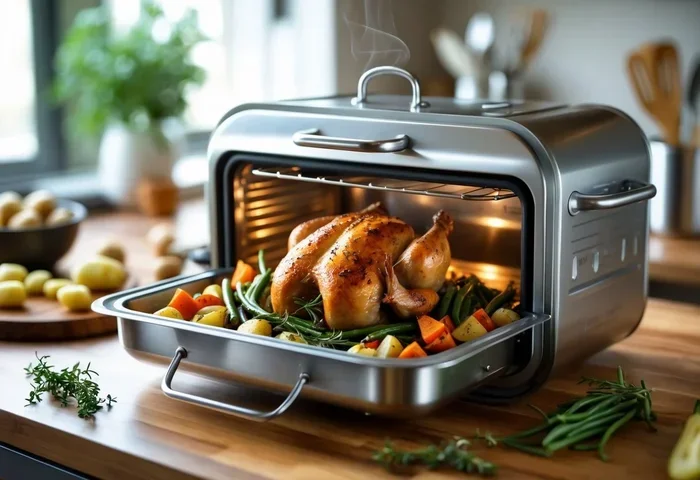
The closed oven method is a cooking technique where you roast beef in a fully enclosed oven with minimal opening of the door. The idea is simple: trapped heat circulates around the roast evenly, cooking it gently and consistently. Unlike open-pan methods or grilling, the closed environment creates a stable temperature that works wonders on large cuts of meat.
Why Does It Work So Well?
When you close the oven door, the heat stays inside and surrounds the roast from every direction. This even heat distribution means fewer hot spots and fewer cold spots. Your bone-in prime rib roasts cook more uniformly, and the juices stay locked inside the meat instead of escaping through temperature swings.
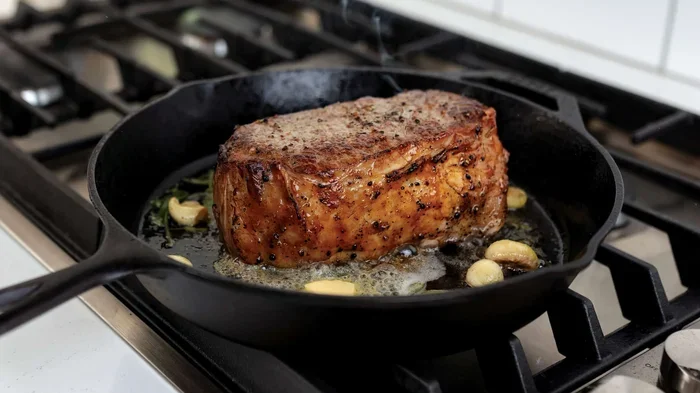
The closed oven also helps build a deep, flavorful crust on the outside while keeping the inside moist. This is because the steady heat slowly renders the fat and caramelizes the surface. You get that beautiful sear without having to flip or monitor the roast constantly.
Choosing the Right Prime Rib Cut
Not all prime rib roasts are created equal. Picking the right cut sets the foundation for a perfect result. Here is what you need to know before you head to the butcher or grocery store.
Bone-In vs. Boneless Prime Rib
Bone-in prime rib is the most popular choice for the closed oven method. The bone acts as a natural insulator, keeping the meat around it warm and juicy. It also adds incredible flavor to the roast as it cooks. Many chefs agree that bone-in roasts taste better and look more impressive on the table.
Boneless prime rib is easier to slice and serve, but it can dry out faster. If you choose a boneless cut, you need to be extra careful with timing and temperature. For beginners, a bone-in rib roast is the safest and most forgiving option.
How Much Prime Rib to Buy
A good rule of thumb is to plan for about one pound of bone-in prime rib per person. If you are serving a crowd of eight, look for an eight-pound roast. Remember that the bone takes up space, so the actual meat weight is slightly less than the total roast weight.
What to Look for at the Store
- Marbling: Look for fine white streaks of fat running through the meat. More marbling means more flavor and juiciness.
- Color: The meat should be a bright cherry-red with creamy white fat.
- Size: Choose a roast that fits comfortably in your oven with a few inches of space on all sides.
- Grade: USDA Prime or Choice grades work best for a rich, tender result.
Seasoning Your Prime Rib for Maximum Flavor
One of the best things about the closed oven method is that simple seasoning works beautifully. You do not need a complicated spice rub. Let the quality of the beef be the star.
The Perfect Dry Rub
Start with a generous coating of coarse kosher salt. Salt draws out moisture at first, but during the long cook, it gets reabsorbed and seasons the meat deeply. Follow this with freshly ground black pepper and a few cloves of minced garlic rubbed directly onto the surface.
Some cooks like to add a sprinkle of smoked paprika, rosemary, or thyme. These herbs complement the beef without overpowering it. Keep it simple and let the prime rib roast flavor speak for itself.
When to Season
For the best results, salt your roast the night before. Place it uncovered on a rack in the refrigerator overnight. This dry-brining technique draws out surface moisture, which then gets reabsorbed deep into the meat. The result is a more seasoned and juicier roast when it hits the oven.
Step-by-Step Closed Oven Method Instructions
Now for the part you have been waiting for — the actual cooking process. Follow these steps closely, and you will pull off a stunning prime rib roast every time.
Step 1: Bring the Roast to Room Temperature
Remove your prime rib from the refrigerator about two hours before cooking. Let it sit on the counter uncovered. This brings the meat closer to room temperature, which means it cooks more evenly. A cold roast going straight into the oven can lead to uneven doneness.
Step 2: Preheat Your Oven
Preheat your oven to 225°F (107°C). This low temperature is the heart of the closed oven method. The gentle heat slowly warms the roast, rendering the fat and building flavor without drying out the meat.
Step 3: Place the Roast in the Oven
Set the seasoned roast on a wire rack inside a roasting pan. The rack allows hot air to circulate underneath, which promotes even cooking. Place the pan in the center of the oven and close the door firmly.
Step 4: Cook Low and Slow
Now comes the patience part. Cook the roast at 225°F for about 15 to 20 minutes per pound. For a five-pound roast, that is roughly two hours. Do not open the oven door during this time. Every time you open the door, you release heat and extend the cooking time.
Use a meat thermometer inserted into the thickest part of the roast. You are aiming for an internal temperature of about 110°F to 115°F for a medium-rare finish.
Step 5: Increase the Heat for the Final Sear
Once the roast reaches the target internal temperature, increase the oven temperature to 450°F (232°C). Close the door and let the roast cook for an additional 15 to 20 minutes. This high-heat blast creates that beautiful, crispy brown crust on the outside.
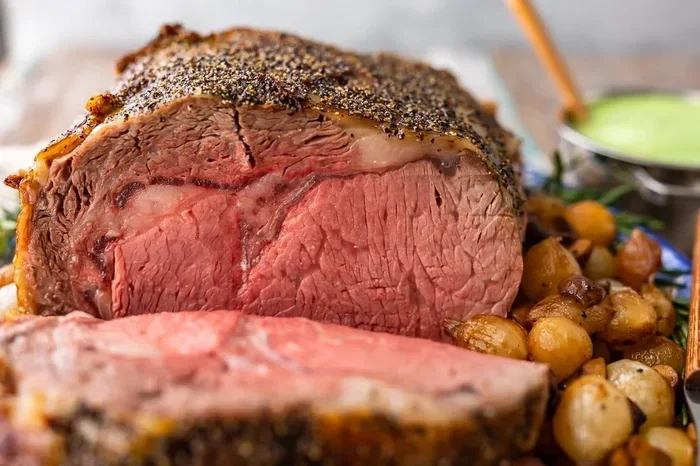
Watch it carefully during this phase. You do not want to burn the crust. The roast is done when the surface is deeply browned and the internal temperature reaches 130°F to 135°F for medium-rare.
Step 6: Rest the Roast
Remove the roast from the oven and transfer it to a cutting board. Tent it loosely with aluminum foil and let it rest for at least 20 to 30 minutes. This resting period allows the juices to redistribute throughout the meat. If you skip this step, your slices will be dry and lose their flavor.
Step 7: Slice and Serve
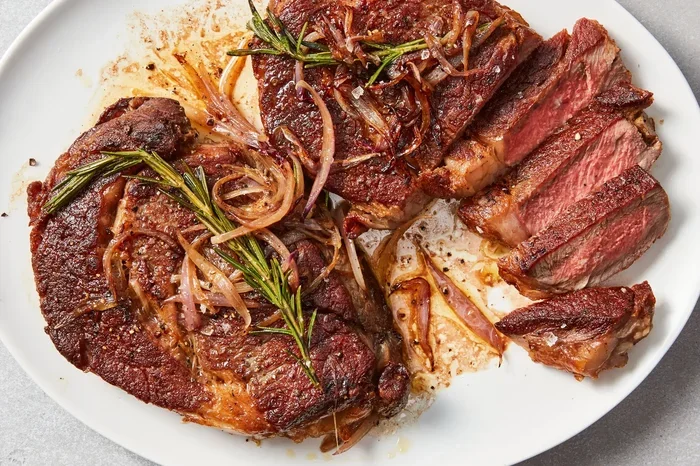
Use a sharp carving knife to slice against the grain. Cut each slice about half an inch thick for the best texture. Serve immediately with your favorite sides like roasted vegetables, mashed potatoes, or a rich au jus.
Common Mistakes to Avoid
Even experienced cooks make mistakes when preparing prime rib. Here are the most common pitfalls and how to avoid them.
- Skipping the room-temperature rest: A cold roast cooks unevenly. Always let it come to room temperature first.
- Opening the oven door too often: Every peek releases heat and extends cooking time. Trust the process and keep the door closed.
- Over-seasoning: Too much spice can mask the natural beef flavor. Keep the seasoning simple and let the meat shine.
- Not using a meat thermometer: Guessing the temperature leads to overcooked or undercooked roasts. A reliable thermometer is your best friend.
- Cutting too soon: Slicing immediately after cooking releases all the juices onto the cutting board instead of staying in the meat.
- Wrong oven placement: Place the roast in the center of the oven for the most even heat distribution.
Expert Tips for the Best Results
Take your prime rib closed oven method cooking to the next level with these professional tips.
Use a Roasting Pan with a Rack
A roasting rack elevates the meat above the pan, allowing hot air to flow around the entire roast. This prevents the bottom from steaming and helps create an even crust on all sides.
Add Liquid to the Pan
Pour a cup of beef broth, red wine, or water into the bottom of the roasting pan. As it heats, the liquid creates steam that adds moisture to the oven environment. This extra moisture helps keep the roast succulent throughout the long cook.
Let the Roast Come to Room Temperature Before Seasoning
Pat the roast dry with paper towels before applying salt and pepper. Dry surface meat browns better and develops a deeper crust. Moisture on the surface can create steam instead of a sear.
Invest in a Quality Meat Thermometer
A digital instant-read thermometer takes the guesswork out of cooking. Insert it into the thickest part of the roast, away from the bone, for the most accurate reading. This simple tool makes all the difference between a good roast and a great one.
Save the Drippings
The juices left in the roasting pan are liquid gold. Use them to make a quick pan sauce or gravy. Simply deglaze the pan with a splash of beef broth, scrape up the browned bits, and simmer until slightly thickened. Your guests will love it drizzled over each slice.
Prime Rib Cooking Time and Temperature Guide
Having a quick reference guide makes the process much easier. Here is a handy table to keep in your kitchen.
| Roast Weight | Low-Temp Cook Time | High-Temp Sear Time | Target Internal Temp |
|---|---|---|---|
| 3-4 lbs | 1.5 – 2 hours | 15 minutes | 130°F – 135°F |
| 5-6 lbs | 2 – 2.5 hours | 15 – 20 minutes | 130°F – 135°F |
| 7-8 lbs | 2.5 – 3 hours | 20 minutes | 130°F – 135°F |
| 9-10 lbs | 3 – 3.5 hours | 20 – 25 minutes | 130°F – 135°F |
Remember that these times are approximate. Always rely on your meat thermometer for the most accurate results. Every oven runs slightly differently, and the bone-in rib roast size and shape can vary.
Why the Closed Oven Method Beats Other Methods
There are many ways to cook a prime rib roast. So why choose the closed oven method over grilling, smoking, or open-pan roasting?
The closed oven method offers unmatched consistency. The enclosed environment maintains a steady temperature that is hard to achieve with other techniques. You do not need to flip the roast or adjust the heat every few minutes.
Grilling a large prime rib can be tricky because of flare-ups and uneven heat. Smoking takes hours and requires constant monitoring. The closed oven method gives you a hands-off experience with predictable, reliable results. It is the easiest way to get a restaurant-quality roast at home.
The method also works well for beginners. You do not need special equipment or advanced skills. A basic oven, a roasting pan, and a meat thermometer are all you need. Once you master this technique, you will never go back to other methods.
Serving Suggestions and Side Dishes
A great prime rib roast deserves equally great sides. Here are some classic pairings that complement the rich, beefy flavor.
- Creamy mashed potatoes: The smooth, buttery texture pairs perfectly with juicy roast beef.
- Roasted garlic asparagus: The earthy flavor of asparagus balances the richness of the prime rib.
- Mac and cheese: A crowd-pleasing side that adds comfort and creaminess to the plate.
- Au jus for dipping: Use the pan drippings to make a simple, savory dipping sauce.
- Yorkshire pudding: A classic British side that soaks up the beef juices beautifully.
Keep your sides simple and let the roast be the star of the show. Overloading the plate with too many heavy sides can compete with the flavor of the prime rib.
How to Store and Reheat Leftover Prime Rib
If you have leftovers — and there is a good chance you will — store them properly to enjoy the flavor for days.
Let the roast cool to room temperature, then wrap it tightly in aluminum foil or place it in an airtight container. Refrigerate within two hours of cooking. Properly stored, leftover prime rib stays fresh for up to four days in the refrigerator.
To reheat, wrap the slices in foil and warm them in a 250°F oven for about 15 to 20 minutes. This gentle reheating method keeps the meat moist and prevents it from drying out. Avoid microwaving, as it can make the slices tough and rubbery.
Frequently Asked Questions
How long does it take to cook prime rib using the closed oven method?
It typically takes about 15 to 20 minutes per pound at 225°F, plus an additional 15 to 20 minutes at 450°F for the final sear. A five-pound roast will take roughly two and a half hours total. Always use a meat thermometer to check for doneness rather than relying solely on time.
What is the best internal temperature for prime rib?
For medium-rare, pull the roast when the internal temperature reaches 130°F to 135°F. The temperature will continue to rise by about 5 degrees during the resting period. For medium, aim for 140°F before resting. Using a reliable meat thermometer is the single most important tool for perfect results.
Can I cook a frozen prime rib using the closed oven method?
It is best to thaw the roast completely before cooking. Cooking a frozen roast leads to uneven cooking and can leave the center undercooked while the outside overcooks. Plan ahead and thaw the roast in the refrigerator for 24 to 48 hours before cooking day.
Do I need to sear the prime rib before using the closed oven method?
No, searing beforehand is not necessary. The high-heat finish at the end of cooking creates a beautiful crust on the outside. The closed oven method handles the slow, even cooking, and the final sear adds the perfect golden-brown exterior without any extra steps.
What makes the closed oven method different from other roasting methods?
The key difference is the enclosed, steady heat environment. Unlike grilling or open-pan roasting, the closed oven method traps heat and circulates it evenly around the roast. This means less monitoring, more consistent results, and a juicier final product. It is a simple, hands-off approach that delivers excellent outcomes every time.
How do I know when to increase the oven temperature for the final sear?
Watch the internal temperature on your meat thermometer. Once the roast reaches 110°F to 115°F for medium-rare, it is time to increase the oven to 450°F. This final high-heat phase usually takes 15 to 25 minutes and develops the flavorful crust without overcooking the interior.
Final Thoughts on Mastering the Closed Oven Method
Cooking the perfect prime rib does not have to be complicated or stressful. The closed oven method gives you a simple, reliable, and forgiving approach that works beautifully every time. From choosing the right cut to seasoning it well, cooking it low and slow, and letting it rest properly — each step plays an important role in the final result.
The beauty of this technique is that it rewards patience and simplicity. You do not need fancy equipment or years of experience. You just need a good roast, a reliable oven, and a willingness to follow a few straightforward steps. Once you taste the difference between a home-cooked prime rib roast made with the closed oven method and one from a restaurant, you will never look back.
So the next time you are planning a special dinner, a holiday feast, or just a weekend treat for yourself, give the closed oven method a try. Your family and guests will be amazed. And you might just discover a new favorite way to cook one of the most delicious cuts of beef there is.