How To Dry Lions Mane Mushroom In Your Oven At Home
Learning how to dry lions mane mushroom in oven is a simple way to preserve this incredible fungus for months. You will discover the exact low heat settings needed to keep the nutrients intact while removing all moisture. Drying lions mane mushroom in oven turns this delicate seafood-flavored mushroom into a versatile pantry staple for soups, teas, and meat alternatives. This guide walks you through every step, from preparation to storage, so you can enjoy your harvest year-round. You will never have to buy expensive dried mushrooms from the store again once you master this easy technique.
If you have ever wondered how to dry lions mane mushroom in oven, you are in the right place. This majestic looking fungus looks like a fluffy white lion’s mane and offers incredible health benefits. However, fresh lion’s mane does not last very long on the counter. You need a reliable preservation method to enjoy it year-round. Drying is the best way to keep this medicinal mushrooms for a long time. When you harvest a large batch, you do not want them to go to waste. Learning the proper technique saves you money and reduces food waste.
Using your kitchen oven is the easiest and most accessible way to dry this mushroom. You do not need an expensive dehydrator machine. With just a few simple steps, you can transform fresh mushrooms into a shelf-stable ingredient. This guide will walk you through the entire process. You will learn the right temperature, the best prep work, and how to store them safely. By the end, you will feel confident starting your own drying mushrooms project at home. It is simpler than you might think, and the results are fantastic.
Drying mushrooms might seem intimidating, but it is truly straightforward. We will cover everything from preparation to storage. You will understand why low heat matters so much. You will also learn how to tell when the mushroom is fully dry. This knowledge gives you the confidence to try it yourself. Once you master this skill, you will never buy dried mushrooms from the store again. You will have a constant supply of this amazing pantry staple right in your kitchen.
Key Takeaways
- Low heat is essential: Drying mushrooms requires gentle warmth to preserve their medicinal compounds and flavor.
- Proper prep prevents ruin: Cleaning and slicing the lion’s mane correctly ensures even drying and prevents mold.
- Oven drying beats air drying: Using your oven is faster and more reliable than waiting for humid air to do the work.
- Storage extends shelf life: Keeping dried mushrooms in airtight containers keeps them fresh for up to a year.
- Versatility is key: Dried lion’s mane can be ground into powder, rehydrated for cooking, or brewed into beneficial teas.
📑 Table of Contents
Why Dry Lion’s Mane Mushroom?
Fresh lion’s mane is highly perishable. It contains a lot of water, which makes it prone to quick spoilage. Removing this moisture is the key to long-term storage. When you dry lions mane mushroom in oven, you halt the growth of bacteria and mold. This simple step turns a highly perishable item into a pantry staple that lasts for months. You can enjoy the harvest long after the season is over.
Dried mushrooms also become incredibly concentrated in flavor. They develop a savory, seafood-like taste that is perfect for many dishes. Furthermore, drying preserves the medicinal mushrooms properties. Lion’s mane is famous for supporting brain health and reducing inflammation. The nutritional value remains high when you dry it at low heat. You get a powerful product that you can add to teas or soups. It is a wonderful way to boost your daily health routine.
Nutrient Preservation
Many people worry that heat destroys nutrients. However, low-temperature oven drying keeps the beneficial compounds intact. You get a fungal spores free, shelf-stable product. This method ensures you get the most out of your harvest. It is much better than buying expensive supplements from a store. You control the entire process from start to finish. You know exactly what goes into your food. There are no hidden additives or preservatives. Just pure, dried mushroom goodness.
The Dehydrator Alternative
While a dehydrator works well, your oven is often faster. A dehydrator takes four to eight hours to finish the job. An oven can do the same work in two to four. This makes it a great dehydrator alternative for beginners who do not own special equipment. You likely already own an oven, so there is no extra cost. You just need a little bit of patience and some parchment paper. It is the most budget-friendly way to preserve your harvest.
Shelf Life and Convenience
One of the biggest advantages of drying is the extended shelf life. Fresh lion’s mane lasts only a few days in the fridge. Dried lion’s mane can last up to a year when stored correctly. This means you can buy in bulk during the season. You save money by purchasing large quantities at once. It also means you always have this healthy ingredient ready to go. You can add it to recipes whenever the mood strikes.
Preparing the Lion’s Mane for Oven Drying
Proper preparation is the first step to success. You cannot just toss a whole mushroom in the oven. You need to clean and slice it correctly. This ensures even moisture removal throughout the drying process. Taking your time here saves you a lot of trouble later. Rushing the prep work leads to uneven drying. Some pieces might burn while others still contain water. So, let us walk through the preparation steps carefully.
Cleaning the Mushroom
Do not wash lion’s mane under running water. It is very absorbent and will soak up extra moisture. Instead, use a soft brush or a damp paper towel. Gently wipe away any dirt or debris from the spines. If you see any fungal spores, gently brush them off too. A clean mushroom dries much better than a wet one. You want the surface to be dry before it ever touches the hot oven. This small step makes a huge difference in the final texture.
Slicing for Even Drying
Use a sharp knife to cut the mushroom into thin slices. Aim for about a quarter-inch thickness. Thinner slices dry much faster and more evenly. This prevents the outside from burning while the inside stays wet. Uniform slices also look better once they are fully dried. You can cut them into small pieces or long strips. It depends on how you plan to use them later. For powdering, small pieces work best. For rehydrating in dishes, longer strips are more impressive.
Checking for Pests
Before drying, inspect the mushroom carefully. Look for any tiny insects or mycelium residue. Remove any damaged or discolored spots. This ensures your final product is clean and safe to eat. You do not want any unwanted surprises in your finished pantry staple. A thorough inspection now saves you from frustration later. It ensures that your drying mushrooms are of the highest quality.
How to Dry Lions Mane Mushroom in Oven
Now comes the core step. Drying lions mane mushroom in oven requires precise temperature control. High heat will cook the mushroom instead of drying it. You want to draw out the water slowly and gently. The goal is to remove all water without cooking the flesh. This slow process preserves the texture and the beneficial compounds. It is all about patience and low, steady heat.
Oven Settings and Temperature
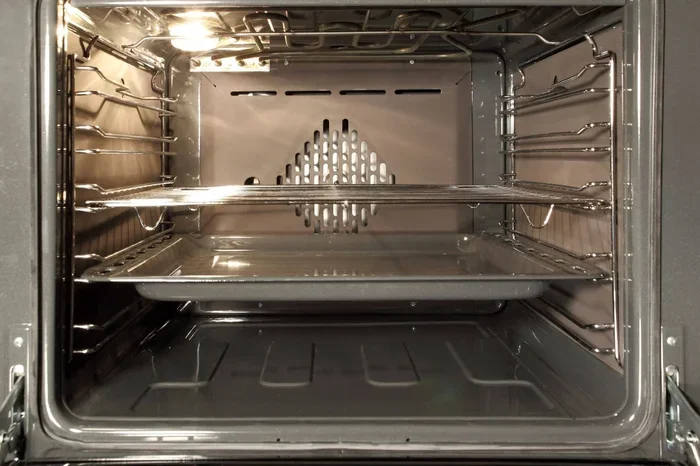
Set your oven to the lowest possible temperature. Ideally, you want it between 125°F and 150°F (50°C and 65°C). Most home ovens do not go this low. To solve this, you can leave the door slightly cracked open. This allows moisture to escape and keeps the air drying process active. A wooden spoon handle can hold the door open safely. You must monitor the temperature closely. If your oven runs hot, the edges of the mushroom will burn. Use an oven thermometer if you have one for the most accurate reading.
The Drying Timeline
Place the slices on a parchment-lined baking sheet. Do not overlap them. Leave space for air to circulate around each piece. Keep the oven door open a few inches to let steam escape. The drying mushrooms process usually takes between two and four hours. Check the mushrooms every thirty minutes. They are done when they feel completely dry and snap easily. If they bend, they need more time. The goal is zero moisture content inside the mushroom. Any remaining water will cause mold during storage.
Oven Drying vs Other Methods
It helps to compare methods so you can choose the best one for your kitchen. Here is a quick look at how oven drying stacks up against other popular techniques.
| Method | Time Required | Best For | Cost |
|---|---|---|---|
| Oven Drying | 2-4 hours | Small batches, quick results | Low (uses existing appliance) |
| Dehydrator | 4-8 hours | Large batches, set-and-forget | High (requires equipment purchase) |
| Air Drying | 1-2 weeks | Very dry climates only | Free |
As you can see, oven drying offers the best balance of speed and cost. It is the perfect method for most home cooks. You get fast results without spending money on new equipment. The culinary versatility of the dried mushroom does not change based on the drying method either. Whether you use an oven or a dehydrator, the end result is delicious.
Storing Dried Lion’s Mane Properly
Once your drying mushrooms are ready, proper storage is crucial. You worked hard to remove the moisture. You do not want to let them get rehydrated by ambient humidity in your kitchen. Proper storage ensures a long shelf life and keeps the culinary versatility intact. A little extra care in storage pays off big time.
Choosing the Right Container
Use airtight storage containers like mason jars or vacuum-sealed bags. Glass jars are excellent because they do not leach chemicals into the food. Make sure the lid seals tightly. If you use a bag, squeeze out as much air as possible before sealing. A good seal keeps out unwanted moisture and pests. Mason jars are especially popular because you can see the mushrooms inside. This makes it easy to check on them without opening the container.
Adding Desiccants for Extra Safety
For extra protection, add a food-safe desiccant packet to the container. These little packets absorb any residual moisture that might remain. They are a simple trick that dramatically extends the shelf life of your harvest. You can find them easily online or in dry goods stores. They are especially helpful if you live in a humid climate. Humidity is the enemy of dried mushrooms. Keeping the environment dry inside the jar is the secret to long-lasting preservation.
Where to Store
Keep the containers in a cool, dark pantry. Avoid placing them near the stove or oven. Heat and light degrade the quality of medicinal mushrooms over time. A dark cupboard is the perfect spot. When stored correctly, dried lion’s mane can last up to a year. Always check on them occasionally to make sure no moisture has gotten in. If you notice any soft spots, throw them away immediately to protect the rest of the batch.
Culinary Uses for Dried Lion’s Mane
What can you actually do with all this dried mushroom? The culinary versatility is truly amazing. Dried lion’s mane is a fantastic meat substitute because of its fibrous texture. When cooked, it mimics the texture of crab or lobster very closely. It is a hit in vegan and vegetarian cooking. You can use it in tacos, salads, and pasta. The savory flavor it adds is simply unmatched. It brings a rich, umami depth to any meal.
Making Lion’s Mane Powder
One of the best uses is grinding the dried slices into a fine powder. You can use a clean coffee grinder for this task. Simply pulse the dried mushrooms until they are a fluffy dust. This lion’s mane powder is perfect for adding to smoothies, soups, or teas. It adds a rich, savory flavor to any dish. You can also sprinkle it over roasted vegetables. The powder blends seamlessly into sauces and gravies. It is a great way to sneak extra nutrition into your family’s meals. Kids often do not even notice it is there.
Rehydrating for Cooking
If you want to cook with whole pieces, simply soak them in warm water for twenty minutes. Save the soaking liquid! It is packed with deep umami flavor. Use it as a base for risottos or rich gravies. The rehydrated mushroom works beautifully in stir-fries and pasta dishes. It soaks up sauces wonderfully and adds a meaty texture. This is one of the best culinary uses for this fungus. You will be amazed at how much it transforms a simple dish. It adds a gourmet touch without a lot of effort.
Expert Tips and Common Mistakes
Quick Tips for Success
- Use parchment paper: It prevents the delicate mushroom from sticking to the tray.
- Rotate trays: If you have multiple trays, rotate them halfway through for even drying.
- Do not rush: High heat will burn the outside while leaving the inside wet. Patience is key.
- Keep it dark: Light can degrade the quality of the dried product over time.
- Store in small batches: Only open one jar at a time to keep the rest fresh.
Common Mistakes to Avoid
The biggest mistake is setting the oven too hot. This cooks the mushroom instead of drying it. Another error is overcrowding the baking sheet. Overlapping slices trap steam and lead to mold growth. Always ensure good air circulation around every piece. If you see any pieces turning brown too fast, lower the oven temperature immediately. Another common error is storing the mushrooms before they are fully cool. Let them cool completely at room temperature before sealing them in jars. Warm jars create condensation, which ruins the shelf life.
Troubleshooting Drying Issues
If your mushrooms are still soft after four hours, the humidity in your kitchen is too high. Try turning off the oven and letting them sit overnight with the door closed. The residual heat will finish the job. You can also put them back in the oven for another hour at a lower temperature. Always aim for that satisfying snap when you break a piece. If the edges are burnt but the center is wet, your oven runs too hot. Lower the temperature next time and extend the drying duration. Practice makes perfect when you are learning how to dry lions mane mushroom in oven.
Conclusion
Learning how to dry lions mane mushroom in oven is a rewarding skill. It allows you to enjoy this incredible fungus long after the harvest season ends. You have learned how to prepare, dry, and store your mushrooms correctly. Remember to keep the heat low and the moisture content zero.
Whether you use your dried lion’s mane for tea, cooking, or grinding into powder, you are making the most of this amazing medicinal mushroom. Now that you know the process, grab your baking sheet and get started. Your pantry will thank you for this delicious and healthy addition. Enjoy the process and the delicious results of your hard work. Happy drying!
Frequently Asked Questions
Can I dry lion’s mane mushroom in a regular home oven?
Yes, absolutely! A standard home oven works perfectly for drying lion’s mane. You just need to set it to the lowest temperature possible. Leaving the oven door slightly open helps release moisture and prevents the mushroom from cooking.
How long does it take to dry lion’s mane in the oven?
The drying time usually ranges from two to four hours. However, it depends on the thickness of your slices and the humidity in your kitchen. Thinner slices will dry faster, so keep an eye on them after the two-hour mark.
What is the best temperature to dry lion’s mane mushroom?
The ideal temperature is between 125 and 150 degrees Fahrenheit. If your oven does not go that low, keep it as low as it will go and leave the door cracked open. Low heat preserves the beneficial nutrients while removing the water.
How do I know when the lion’s mane is fully dried?
Fully dried mushrooms should feel completely dry and snap easily when bent. If the pieces bend or feel leathery, they still contain moisture and need more time. Zero moisture is essential to prevent mold during storage.
Can I store dried lion’s mane in the refrigerator?
While you can, the pantry is actually better. The refrigerator can introduce moisture into the container, which defeats the purpose of drying. Store your dried mushrooms in an airtight container in a cool, dark, and dry pantry instead.
What can I do with dried lion’s mane mushrooms?
You have many options! You can grind them into a powder for teas and smoothies, rehydrate them for cooking, or use them as a meat substitute in savory dishes. Dried lion’s mane has a fantastic savory flavor that enhances many recipes.