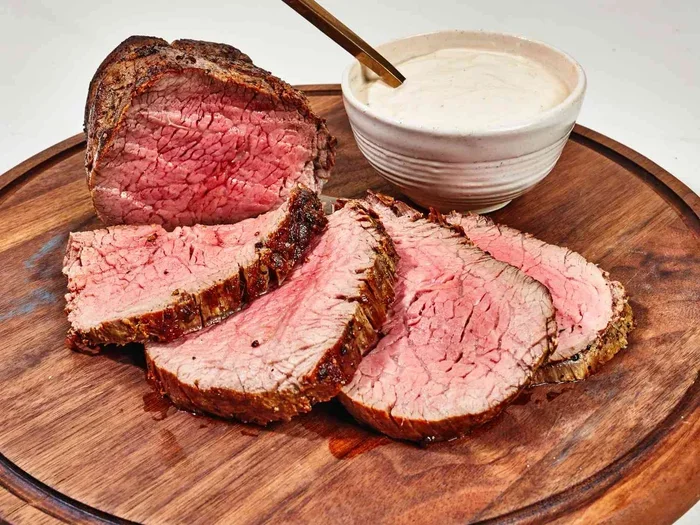
The Best Strip Tenderloin Roast Beef Recipes You Will Love
Strip tenderloin roast beef is one of the most delicious and impressive cuts you can prepare at home. Whether you prefer a simple herb-crusted roast or a slow-cooked masterpiece, these strip tenderloin roast beef recipes deliver incredible flavor every time. Learn how to pick the perfect cut, season it like a pro, and cook it to juicy perfection. This guide covers everything from oven temperatures to carving tips that will level up your beef game.
Strip tenderloin roast beef is the kind of dish that makes the whole house smell amazing. It fills the kitchen with a rich, savory aroma that pulls everyone to the table. Whether you are cooking for a family dinner or a weekend gathering with friends, this cut of beef always delivers.
If you have never tried cooking strip tenderloin roast beef at home, you are in for a treat. It is one of the most tender and flavorful cuts available. The good news is that it is also surprisingly easy to prepare. You do not need to be a professional chef to get restaurant-quality results. This guide will walk you through everything you need to know, from choosing the right cut to serving a masterpiece on your plate.
We will cover the best recipes, essential cooking tips, and common mistakes to avoid. By the end, you will feel confident enough to roast your own beef tenderloin like a pro. Let us dive in and explore what makes this cut so special.
Key Takeaways
- Versatile Cut: Strip tenderloin roast beef works for casual weeknight dinners and special occasions alike.
- Easy to Cook: With the right temperature and timing, anyone can roast a perfect beef tenderloin at home.
- Flavor Boosters: Simple herbs, garlic, and a good sear make a huge difference in taste.
- Meal Pairings: Roasted carrots, potatoes, and zucchini complement strip loin roast beef beautifully.
- Storage & Reheating: Leftover roast beef stays tasty for days when stored properly.
- Budget-Friendly: Buying a whole tenderloin and slicing it yourself saves money and impresses guests.
📑 Table of Contents
- What Is Strip Tenderloin Roast Beef?
- Why Strip Tenderloin Roast Beef Is Perfect for Dinner
- Essential Tips for the Perfect Strip Tenderloin Roast
- Top Strip Tenderloin Roast Beef Recipes
- How to Cook Strip Tenderloin Roast Beef in the Oven
- Common Mistakes to Avoid When Cooking Strip Tenderloin Roast Beef
- Serving and Storing Strip Tenderloin Roast Beef
What Is Strip Tenderloin Roast Beef?
Strip tenderloin roast beef comes from the short loin section of the cow. It is a lean, tender cut that is prized for its mild flavor and fine texture. Unlike fattier cuts like ribeye, tenderloin stays relatively clean in taste, which makes it a perfect canvas for seasonings and marinades.
The term “strip tenderloin” can refer to a few different cuts. Sometimes it includes the strip loin, which runs along the spine. Other times it refers to the tenderloin muscle itself, which is the most tender part of the animal. When you buy a strip tenderloin roast, you are getting a cut that is both lean and incredibly soft when cooked correctly.
Why Choose Strip Tenderloin Over Other Cuts?
There are many reasons to choose strip tenderloin over other beef cuts. First, it is naturally tender. You do not need hours of slow cooking to make it enjoyable. A good roast in the oven can transform this cut into something extraordinary. Second, it is lean. If you are watching your fat intake, tenderloin is one of the best choices available.
Third, it is versatile. You can roast it whole, slice it for sandwiches, or cube it for stir-fries. A strip loin roast works equally well for a Sunday roast or a midweek meal. It also pairs beautifully with roasted vegetables like oven-roasted carrots and zucchini.
Why Strip Tenderloin Roast Beef Is Perfect for Dinner
Cooking strip tenderloin roast beef at home has many advantages. It is a crowd-pleaser that works for almost any occasion. Here is why it should be on your dinner rotation more often.
- Impressive but Simple: A perfectly roasted tenderloin looks elegant on the table, yet the preparation is straightforward.
- Fast Cooking Time: Unlike a pot roast that takes all day, a tenderloin roast can be done in under an hour.
- Healthy Option: Lean beef tenderloin is high in protein and lower in saturated fat than many other cuts.
- Great for Meal Prep: A single roast can provide several servings, making it ideal for leftovers.
- Pairs with Anything: From mashed potatoes to fresh salads, tenderloin beef complements a wide range of sides.
If you love roast beef recipes, strip tenderloin should be at the top of your list. It is forgiving, flavorful, and always delivers satisfying results. Even beginner cooks can achieve excellent outcomes with a little guidance.
Strip Tenderloin vs. Other Roast Beef Cuts
Not all roast beef cuts are created equal. Here is a quick comparison to help you understand why strip tenderloin stands out.
- Ribeye Roast: Rich and fatty. Great flavor but higher in calories. Best for slow, low-temperature cooking.
- Chuck Roast: Tough but full of flavor. Requires long braising or slow roasting to become tender.
- Round Roast: Very lean but can dry out easily. Needs careful monitoring of cooking time.
- Strip Tenderloin: The best balance of tenderness and flavor. Cooks quickly and stays juicy with minimal effort.
As you can see, strip tenderloin roast beef offers the best of both worlds. It is tender without being overly fatty, and it cooks faster than most other roasts.
Essential Tips for the Perfect Strip Tenderloin Roast
Cooking a great beef tenderloin roast is all about details. Small choices make a big difference in the final result. Here are the tips that will help you achieve perfection every time.
1. Start with Quality Meat
The foundation of a great roast is the meat itself. Look for beef tenderloin that has a bright red color and fine marbling. Marbling refers to the thin streaks of fat within the muscle. A little marbling keeps the roast juicy during cooking. Ask your butcher for a fresh cut, and if possible, buy a whole tenderloin that you can trim and season yourself.
2. Bring the Meat to Room Temperature
One of the most important steps is often overlooked. Take your strip tenderloin roast beef out of the refrigerator about 30 to 45 minutes before cooking. Letting it sit at room temperature helps it cook more evenly. A cold roast placed directly in a hot oven can result in uneven doneness, with the outside overcooked and the center still cold.
3. Season Generously
Do not be shy with your seasoning. A simple blend of salt, black pepper, garlic powder, and fresh herbs works wonders. Some cooks like to add rosemary, thyme, or oregano for extra flavor. You can also create a flavorful rub with smoked paprika, onion powder, and a touch of brown sugar for a sweet and savory crust.
4. Sear Before Roasting
Searing the roast before placing it in the oven adds a beautiful crust that locks in moisture and deepens the flavor. Heat a skillet with a little oil over medium-high heat. Sear all sides of the tenderloin until you get a golden-brown color. This step usually takes about two to three minutes per side.
5. Use a Meat Thermometer
This is the single best tool for perfect roast beef. A meat thermometer removes all the guesswork. For medium-rare, aim for an internal temperature of 130 to 135 degrees Fahrenheit. For medium, target 140 to 145 degrees. Remember that the temperature will rise a few degrees as the roast rests after cooking.
6. Let It Rest
Once your beef oven roast is done, let it rest for at least 10 to 15 minutes before slicing. Resting allows the juices to redistribute throughout the meat. If you cut too soon, the juices will run out, and your roast will be dry. Tent the roast loosely with aluminum foil during this time.
Top Strip Tenderloin Roast Beef Recipes
Now that you know the basics, let us explore some delicious strip tenderloin roast beef recipes. Each one offers a unique flavor profile and cooking approach.
Recipe 1: Classic Herb-Crusted Strip Tenderloin Roast
This is the go-to recipe for a traditional roast beef dinner. It is simple, elegant, and incredibly flavorful.
Ingredients:
- 2 to 3 pounds of strip tenderloin
- 2 tablespoons olive oil
- 4 cloves garlic, minced
- 1 tablespoon fresh rosemary, chopped
- 1 tablespoon fresh thyme
- Salt and black pepper to taste
- 1 tablespoon Dijon mustard
Instructions:
- Preheat your oven to 425 degrees Fahrenheit.
- Mix the olive oil, garlic, herbs, salt, and pepper in a small bowl.
- Rub the Dijon mustard over the entire surface of the tenderloin.
- Coat the roast evenly with the herb mixture.
- Place the roast in a baking dish or on a roasting rack.
- Roast for 25 to 35 minutes, or until the internal temperature reaches 130 degrees for medium-rare.
- Remove from the oven and let it rest for 10 minutes before slicing.
This classic recipe pairs wonderfully with roasted potatoes and roasted zucchini at 425 degrees for a complete meal.
Recipe 2: Garlic and Rosemary Slow-Roasted Tenderloin
If you prefer a more hands-off approach, this slow-roast method delivers incredible results. The low temperature slowly breaks down the fibers, creating an incredibly tender roast.
Ingredients:
- 3 pounds strip tenderloin
- 6 cloves garlic, whole and slightly crushed
- 2 sprigs fresh rosemary
- 2 tablespoons butter, softened
- Salt, pepper, and a pinch of paprika
Instructions:
- Preheat the oven to 300 degrees Fahrenheit.
- Rub the softened butter over the entire roast.
- Season generously with salt, pepper, and paprika.
- Place the garlic cloves and rosemary sprigs around the roast.
- Cover loosely with foil and roast for 60 to 75 minutes.
- Remove the foil for the last 15 minutes to develop a light crust.
- Check the internal temperature and rest before serving.
This slow method is perfect for a relaxed Sunday afternoon. The aroma filling your home is absolutely worth the wait.
Recipe 3: Spicy BBQ Strip Tenderloin Roast
For something with a little kick, try this BBQ-inspired roast. It is bold, smoky, and perfect for summer gatherings or casual family dinners.
Ingredients:
- 2 pounds strip tenderloin
- 3 tablespoons BBQ rub or homemade spice blend
- 2 tablespoons apple cider vinegar
- 1 tablespoon brown sugar
- 1 teaspoon smoked paprika
- 1 teaspoon cayenne pepper (adjust to taste)
Instructions:
- Preheat oven to 400 degrees Fahrenheit.
- Mix the BBQ rub, brown sugar, smoked paprika, and cayenne in a bowl.
- Brush the roast lightly with apple cider vinegar.
- Coat the tenderloin thoroughly with the spice blend.
- Sear in a hot skillet for two minutes per side.
- Transfer to the oven and roast for 20 to 25 minutes.
- Rest for 10 minutes and slice against the grain.
This spicy version is a hit at barbecues and potlucks. Serve it with coleslaw and cornbread for a complete Southern-style meal.
Recipe 4: Wine-Braised Strip Tenderloin with Vegetables
For a more elegant preparation, try braising your tenderloin with red wine and fresh vegetables. This method creates a rich, restaurant-quality dish with minimal effort.
Ingredients:
- 2 pounds strip tenderloin
- 1 cup red wine (a dry variety works best)
- 1 cup beef broth
- 2 carrots, chopped
- 1 onion, diced
- 3 cloves garlic
- 2 tablespoons tomato paste
- Fresh thyme and bay leaf
- Salt and pepper
Instructions:
- Preheat oven to 325 degrees Fahrenheit.
- Season the tenderloin with salt and pepper.
- Sear the roast in a Dutch oven until browned on all sides.
- Add the onion, garlic, carrots, and tomato paste to the pot.
- Pour in the red wine and beef broth.
- Add the thyme and bay leaf.
- Cover and braise in the oven for 45 to 55 minutes.
- Remove the lid and let the liquid reduce for another 10 minutes.
- Slice and serve with the braising liquid spooned over the top.
This recipe is perfect for a dinner party. The wine sauce adds a depth of flavor that will impress your guests. For a complete meal, serve alongside oven-roasted beef sides that complement the rich sauce.
How to Cook Strip Tenderloin Roast Beef in the Oven
Oven roasting is the most popular method for cooking strip tenderloin roast beef. It is reliable, easy to control, and produces consistent results. Here is a detailed guide to mastering oven-roasted tenderloin.
Choosing the Right Oven Temperature
The temperature you choose depends on how much time you have and what texture you prefer. Here is a quick breakdown:
- 425 degrees Fahrenheit: High heat for a faster cook with a nice crust. Best for roasts under 3 pounds.
- 375 degrees Fahrenheit: Medium-high heat for a balanced cook time and even browning.
- 325 degrees Fahrenheit: Lower heat for a slower, more gentle roast. Great for larger cuts.
- 300 degrees Fahrenheit: Low and slow for the most tender results. Requires more patience.
For most home cooks, 400 degrees Fahrenheit is the sweet spot. It gives you a good sear, a flavorful crust, and a juicy interior without overcooking the outside.
Cooking Time Guide by Weight
Understanding how long to cook your roast is crucial. Here is a general guide based on the weight of your tenderloin.
- 1 to 1.5 pounds: 20 to 25 minutes at 425 degrees
- 1.5 to 2 pounds: 25 to 30 minutes at 425 degrees
- 2 to 3 pounds: 30 to 40 minutes at 400 degrees
- 3 to 4 pounds: 40 to 50 minutes at 375 degrees
These times are approximate. Always use a meat thermometer to check for doneness. The internal temperature matters more than the clock. For reference, medium-rare is 130 to 135 degrees, and medium is 140 to 145 degrees.
If you are new to roasting beef, start with a smaller cut. A 1.5-pound tenderloin is forgiving and quick to cook. Once you nail the technique, you can scale up to larger roasts with confidence.
Resting and Slicing Your Roast
Resting is not just a waiting game. It is a critical step that affects the final texture of your beef tenderloin recipes. During cooking, the juices move toward the center of the roast. Resting allows them to redistribute evenly throughout the meat.
When it comes to slicing, always cut against the grain. The grain refers to the direction of the muscle fibers. Slicing against them shortens the fibers, making each piece more tender and easier to chew. Use a sharp carving knife and slice at a slight angle for the most tender results.
Common Mistakes to Avoid When Cooking Strip Tenderloin Roast Beef
Even experienced cooks can make mistakes when roasting beef tenderloin. Being aware of these pitfalls helps you avoid them and achieve better results every time.
Overcooking the Roast
The most common mistake is cooking the roast too long. Lean cuts like tenderloin have very little fat to protect them from drying out. Once the internal temperature passes 150 degrees, the meat starts to lose moisture rapidly. Always pull the roast off the heat a few degrees before your target temperature to account for carryover cooking.
Skipping the Sear
Some cooks go straight from seasoning to the oven. While this works, you miss out on the deep, caramelized flavor that searing provides. That Maillard reaction on the surface adds complexity and richness that you cannot get any other way. Spend the extra five minutes to sear your roast before it goes in the oven.
Not Letting the Meat Rest
Cutting into a roast immediately after it comes out of the oven is tempting. But this is a mistake. The juices will pool on the cutting board instead of staying in the meat. Give your strip tenderloin roast beef at least 10 minutes to rest, and you will notice a dramatic difference in juiciness.
Using Too Much Seasoning
Seasoning is important, but more is not always better. Heavy-handed salting can overpower the natural flavor of the beef. Start with a moderate amount and adjust to taste. Remember that some seasonings, like garlic and herbs, intensify during cooking.
Ignoring the Carryover Effect
Carryover cooking is a phenomenon where the internal temperature of the roast continues to rise after it leaves the oven. This can add 5 to 10 degrees to the final temperature. Factor this into your cooking plan. Pull the roast early and let the resting period do the rest of the work.
Choosing the Wrong Pan
The pan you use matters more than you might think. A thin, flimsy baking sheet does not distribute heat evenly. Invest in a heavy-duty roasting pan or a cast-iron skillet. These retain heat better and promote more consistent browning. A wire rack set inside the pan also helps hot air circulate around the roast, cooking it more evenly.
Serving and Storing Strip Tenderloin Roast Beef
Once you have cooked the perfect roast, the next step is serving and storing it properly. Both affect how your strip tenderloin roast beef tastes the next day.
Best Side Dishes to Serve
The right sides can elevate your roast beef dinner from great to unforgettable. Here are some pairing ideas:
- Creamy Mashed Potatoes: A classic that absorbs the beef juices beautifully.
- Roasted Root Vegetables: Carrots, parsnips, and sweet potatoes add color and sweetness.
- Garlic Green Beans: A light, fresh contrast to the rich roast.
- Crispy Roasted Potatoes: Seasoned with rosemary and sea salt for extra flavor.
- Simple Garden Salad: A bright salad cuts through the richness of the beef.
For a complete meal idea, try serving your tenderloin with oven-cooked sides and a glass of red wine. The combination is hard to beat.
How to Store Leftover Roast Beef
Leftover beef tenderloin is just as delicious the next day if stored correctly. Here is how to do it:
- Let the roast cool to room temperature within two hours of cooking.
- Wrap it tightly in plastic wrap or aluminum foil.
- Place it in an airtight container or zip-lock bag.
- Refrigerate for up to 4 days.
- For longer storage, freeze for up to 3 months.
When reheating, use a low oven temperature or the microwave with a damp paper towel to keep the meat from drying out. Slicing the roast before reheating also helps it warm more evenly.
Freezing Tips for Roast Beef
If you want to freeze your leftover tenderloin, slice it first. Individual slices are easier to thaw and reheat than a whole roast. Wrap each slice in plastic wrap, then place them in a freezer bag with the air pressed out. Label the bag with the date, and you will have ready-to-eat beef for future meals.
Key Takeaways
- Strip tenderloin roast beef is a tender, lean, and versatile cut perfect for any occasion.
- Searing before roasting adds flavor and creates a beautiful crust.
- A meat thermometer is essential for achieving the perfect level of doneness.
- Resting the roast for at least 10 minutes keeps the juices locked in.
- Simple seasoning with herbs, garlic, and salt brings out the best in this cut.
- Proper storage ensures your leftovers stay delicious for days.
Cooking strip tenderloin roast beef at home is one of the most rewarding things you can do in the kitchen. It does not require fancy equipment or years of experience. With the right cut, a few simple ingredients, and attention to temperature and timing, you can create a roast that rivals anything from a fine dining restaurant.
Start with the classic herb-crusted recipe and work your way through the other variations. Each one builds your skills and expands your flavor palette. Soon, roasting beef tenderloin will become second nature. Your family and guests will look forward to every roast dinner you serve. So grab a tenderloin, fire up your oven, and enjoy the process of creating something truly special.
Frequently Asked Questions
What temperature should I cook strip tenderloin roast beef to?
For medium-rare, cook your tenderloin to an internal temperature of 130 to 135 degrees Fahrenheit. For medium, aim for 140 to 145 degrees. Always use a meat thermometer for the most accurate results, and remember that the temperature will rise a few degrees during resting.
How long does it take to roast a strip tenderloin in the oven?
Cooking time depends on the weight of the roast and the oven temperature. A 2-pound tenderloin at 425 degrees Fahrenheit typically takes 25 to 30 minutes. Larger roasts may need 40 to 50 minutes. Always check the internal temperature rather than relying solely on the clock.
Can I use a slow cooker for strip tenderloin roast beef?
Yes, you can. While oven roasting is the most common method, a slow cooker works well for a hands-off approach. Cook on low for 4 to 6 hours or on high for 2 to 3 hours. The result will be slightly different from oven-roasted beef, but still tender and flavorful.
What is the best way to slice strip tenderloin roast beef?
Always slice against the grain using a sharp carving knife. Cutting against the muscle fibers shortens them, making each piece more tender. Slice at a slight angle for wider, more attractive pieces that are easier to chew.
How do I keep my roast beef from drying out?
The key is to not overcook it. Use a meat thermometer and pull the roast a few degrees before your target temperature. Letting the roast rest for at least 10 minutes after cooking also helps retain moisture. Searing before roasting creates a protective crust that locks in juices.
What sides go best with strip tenderloin roast beef?
Strip tenderloin pairs well with roasted potatoes, mashed potatoes, grilled vegetables, and fresh salads. For a complete meal, try serving it with roasted carrots or oven-braised sides that complement the rich, savory flavor of the beef.
=== CONCLUSION ===
Strip tenderloin roast beef is a cut that deserves a regular spot in your kitchen rotation. It is tender, flavorful, and surprisingly easy to prepare. With the recipes and tips in this guide, you have everything you need to create impressive roast beef dinners at home. Start simple with a classic herb crust, then experiment with spicy, wine-braised, and slow-roasted variations. Each recipe builds your confidence and expands your cooking skills. The next time you are planning a special dinner or just craving a hearty meal, reach for a strip tenderloin. Your taste buds will thank you.


