How to Season a Turkey for Thanksgiving the Easy Way
Seasoning a thanksgiving turkey is simpler than you think. This guide walks you through every step, from choosing the right turkey seasoning blend to roasting your bird to perfection. You will learn herb butter techniques, dry rub methods, and expert tips that guarantee a crispy skin and juicy meat for your holiday table.
Thanksgiving is all about gathering around the table with family and friends. And at the center of every great thanksgiving dinner sits a beautifully seasoned roast turkey. But let us be honest, preparing the bird can feel a little intimidating.
The good news? Seasoning a turkey for thanksgiving does not have to be complicated. With the right approach and a little confidence, you can create a turkey that is golden, juicy, and packed with flavor. This guide breaks everything down into simple, easy-to-follow steps. Whether you are a first-time cook or looking to upgrade your thanksgiving turkey recipe, you will find everything you need right here.
We will cover the best turkey seasoning blends, the most effective herb butter methods, and common mistakes that trip people up. By the end, you will feel ready to tackle your holiday bird with total confidence. Let us get started.
Key Takeaways
- Dry Brining Works Wonders: Salt your turkey the night before for deeper flavor and crispier skin.
- Herb Butter is a Game Changer: A compound butter under and over the skin adds incredible moisture and aroma.
- Don’t Skip the Resting Time: Letting your turkey rest for 30 minutes keeps all those juices locked in.
- Fresh Turkeys Beat Frozen: A fresh bird absorbs seasoning better and cooks more evenly.
- Internal Temperature Matters: Always check that your turkey reaches 165°F in the thickest part of the thigh.
- Simple Seasonings Win: You do not need fancy ingredients. Salt, pepper, garlic, and herbs do the job beautifully.
📑 Table of Contents
- Why Seasoning Your Thanksgiving Turkey Matters
- Essential Ingredients for the Perfect Turkey Seasoning
- Step-by-Step: How to Season a Turkey for Thanksgiving
- Popular Turkey Seasoning Methods Compared
- Common Mistakes That Ruin a Thanksgiving Turkey
- Expert Tips for a Show-Stopping Thanksgiving Turkey
- Conclusion
Why Seasoning Your Thanksgiving Turkey Matters
Seasoning is the secret behind every memorable roast turkey. It does not just add taste. It transforms a plain bird into the star of the thanksgiving table. The right combination of herbs, salt, and fat brings out the natural richness of the meat.
Think about it. A turkey on its own is mild and slightly bland. Without seasoning, it can feel dry and boring. But add a thoughtful blend of aromatic herbs and let the bird rest properly, and you get something truly special. The skin turns crispy. The meat stays tender. The whole kitchen smells amazing.
Proper seasoning also helps with the turkey cooking time. When you apply salt ahead of time, it draws out moisture and then reabsorbs it, seasoning the meat from the inside out. This simple step makes a huge difference in the final result.
The Science Behind Seasoning Turkey
Salt is the most important ingredient in any turkey rub. It breaks down proteins and helps the meat retain moisture during cooking. When you salt your turkey early, the process called dry brining begins. The salt dissolves the surface proteins, creating a brine that gets reabsorbed into the meat.
This means your turkey stays juicy even after hours in the oven. Herbs like thyme, rosemary, and sage add aromatic compounds that infuse the fat and spread flavor throughout. Garlic and onion powder bring a savory depth that complements the turkey perfectly.
Essential Ingredients for the Perfect Turkey Seasoning
You do not need a long grocery list to make an outstanding thanksgiving turkey. A handful of pantry staples and fresh herbs are all you need. Here is what goes into the best turkey seasoning blend:
- Kosher Salt: The foundation of any great seasoning. It seasons deeply and helps create crispy skin.
- Black Pepper: Adds a gentle heat that balances the richness of the meat.
- Garlic Powder: Brings a warm, savory note without the raw bite of fresh garlic.
- Onion Powder: Adds sweetness and depth to the overall flavor profile.
- Dried Thyme: An earthy herb that pairs beautifully with poultry.
- Dried Rosemary: Piney and aromatic, it elevates the entire dish.
- Dried Sage: The classic thanksgiving herb. Use it generously for that traditional flavor.
- Smoked Paprika: Adds a subtle smokiness and helps color the skin beautifully.
Fresh vs. Dried Herbs
You can use fresh herbs if you prefer, but you will need about three times the amount compared to dried. Fresh herbs work well in a compound butter because the moisture helps them blend smoothly. Dried herbs are more concentrated, so a little goes a long way. For a holiday turkey that impresses, dried herbs mixed into softened butter are incredibly easy to work with.
Building Your Compound Butter
A herb butter is one of the simplest and most effective ways to season a turkey. Take a stick of softened butter and mix in your salt, pepper, minced garlic, and chopped fresh herbs. Spread some under the skin directly on the breast meat, and rub the rest all over the outside. This single step adds incredible flavor and helps the skin turn golden and crispy.
Step-by-Step: How to Season a Turkey for Thanksgiving
Now let us get into the actual process. Follow these steps and your roasted turkey will turn out amazing every single time.
Step 1: Choose Your Turkey
Start with a quality bird. A fresh turkey is always better than a frozen one. Fresh turkeys have better texture and absorb seasoning more effectively. If you must use a frozen turkey, make sure it is fully thawed before seasoning. Plan for about 24 hours of thawing in the refrigerator for every four pounds of bird.
For most families, a 12 to 16-pound turkey works perfectly. If you are cooking a larger bird, you might want to check a guide on how to cook a 22 lb turkey in oven for adjusted timing and temperature tips. A smaller turkey breast or tenderloin cooks faster and may need different handling, which you can find in resources on how long to cook turkey breast tenderloin in oven.
Step 2: Prep the Turkey
Remove the giblets and neck from the cavity. Rinse the turkey inside and out under cold water, then pat it completely dry with paper towels. This is a crucial step. Moisture on the surface creates steam instead of crispiness. The drier the skin, the crispier it gets.
Take a few minutes to separate the skin from the breast meat gently. Use your fingers to loosen the skin without tearing it. This creates a pocket where you can stuff the herb butter directly against the meat. It is the single best trick for flavorful, juicy turkey breast.
Step 3: Apply the Seasoning
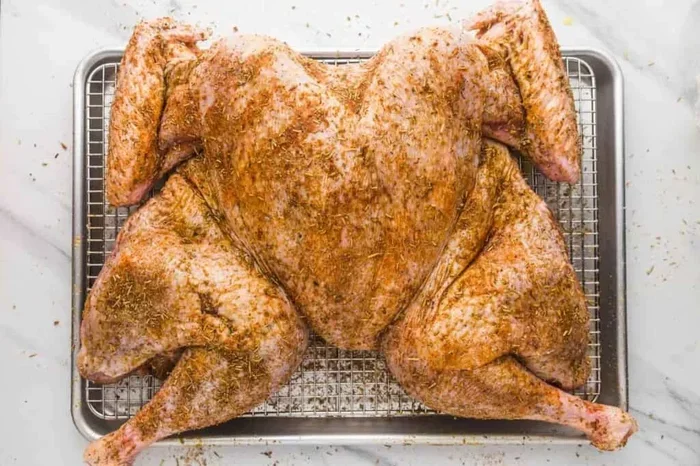
Start with the dry brine. Sprinkle kosher salt generously over the entire turkey, including inside the cavity. Place the bird uncovered on a rack set over a baking sheet and put it in the refrigerator overnight. This allows the salt to work its magic.
The next day, remove the turkey from the fridge about one hour before cooking. This brings it closer to room temperature, which helps it cook more evenly. Now apply your herb butter and dry rub mixture. Work the butter under the skin over the breasts and rub the remaining mixture all over the outside.
Step 4: Stuff and Tie
If you like, stuff the cavity with aromatics. Halved onions, lemon wedges, fresh thyme sprigs, and garlic cloves all work wonderfully. They steam inside the bird and add a subtle fragrance to the meat. Use kitchen twine to tie the legs together snugly. This helps the turkey cook evenly and keeps the stuffing inside.
Step 5: Roast and Rest
Place the turkey breast-side up on a rack in a roasting pan. Roast at 325°F until the internal temperature reaches 165°F in the thickest part of the thigh. The exact turkey cooking time depends on the size of your bird. For a 12 to 14-pound turkey, plan on about three to three and a half hours.
Once it is done, remove the turkey from the oven and let it rest for at least 30 minutes before carving. This step is non-negotiable. Resting allows the juices to redistribute throughout the meat. If you cut too early, all those flavorful juices run out onto the cutting board instead of staying in the bird.
Popular Turkey Seasoning Methods Compared
There are several ways to season a thanksgiving turkey. Each method has its own strengths. Here is a quick comparison to help you decide which approach works best for you.
| Method | Best For | Difficulty | Flavor Impact |
|---|---|---|---|
| Dry Brine with Herbs | Crispy skin and deep seasoning | Easy | Very High |
| Compound Butter Rub | Moisture and rich flavor | Easy | High |
| Wet Marinade | Tenderizing lean birds | Medium | Medium |
| Simple Salt and Pepper | Minimalist approach | Very Easy | Subtle |
| Combination Dry Brine + Butter | Best all-around results | Moderate | Excellent |
Most home cooks find that the combination method works best. You dry brine the night before for deep seasoning and moisture retention, then apply the herb butter right before roasting for flavor and crispiness. This is the approach professional chefs recommend for a perfect holiday turkey.
Quick Tips for the Best Seasoned Turkey
- Season early: The overnight dry brine is the single most impactful step you can take.
- Use softened butter: Cold butter does not spread evenly under the skin.
- Do not skip the resting time: Thirty minutes minimum after roasting.
- Tent with foil loosely: This keeps the heat in without steaming the skin soft.
- Save the drippings: Turkey drippings make the best gravy you will ever taste.
Common Mistakes That Ruin a Thanksgiving Turkey
Even experienced cooks make mistakes with their thanksgiving turkey. Here are the most common ones and how to avoid them.
Seasoning Too Late
The biggest mistake is seasoning the turkey right before it goes in the oven. Salt needs time to penetrate the meat. Without an overnight dry brine, the seasoning only sits on the surface and does not flavor the meat deeply. Always plan ahead and salt your turkey at least 12 hours before cooking.
Overcrowding the Pan
Some people try to fit the turkey into a small roasting pan. This traps steam and prevents the skin from crisping. Use a pan that gives the bird plenty of room. A rack elevates the turkey and allows hot air to circulate all around it.
Cooking at Too High a Temperature
High heat might seem like a shortcut to crispy skin, but it often results in burnt exterior and undercooked interior. Stick with 325°F for even cooking. If you are dealing with a particularly large bird, check guides like how to cook a 22 lb turkey in oven for proper temperature and timing adjustments.
Not Letting the Turkey Rest
Carving the turkey immediately after it comes out of the oven is a mistake you cannot undo. The juices run out, and the meat becomes dry. Give it at least 30 minutes of rest, loosely tented with aluminum foil. Your patience will be rewarded with moist, flavorful slices.
Using Too Much Spice
More does not always mean better. Overpowering spice blends can mask the natural flavor of the turkey. Keep it simple. Salt, pepper, garlic, and a few fresh herbs are all you need for a beautiful aromatic turkey that lets the bird shine.
Expert Tips for a Show-Stopping Thanksgiving Turkey
Take your roasted thanksgiving turkey from good to unforgettable with these pro tips.
Butter Under the Skin
This is the number one restaurant trick. Gently separate the skin from the breast meat with your fingers. Slide softened herb butter underneath and spread it evenly. The butter melts directly onto the meat as it cooks, keeping the breast incredibly moist and adding rich, buttery flavor from the inside out.
Add Aromatics Inside the Cavity
Toss a halved onion, a few garlic cloves, and a bundle of fresh thyme into the cavity. As the turkey roasts, these aromatics steam and release their fragrance into the meat. It is a small effort that makes a big difference in the final flavor.
Baste Every 45 Minutes
Basting keeps the skin moist and helps it develop an even golden color. Use a baster or spoon to scoop up the pan juices and drizzle them over the top of the bird. Do this every 45 minutes starting about two hours into the cook.
Let the Turkey Tell You When It Is Done
A meat thermometer is your best friend. Insert it into the thickest part of the thigh without touching the bone. When it reads 165°F, your turkey is done. Some cooks prefer to pull the turkey at 160°F and let carryover cooking bring it up to the safe temperature during resting. Either way works beautifully.
Once your turkey is seasoned, roasted, and resting, you will want to serve it with confidence. Carve against the grain for the most tender slices. Serve the dark meat and white meat separately so everyone gets their favorite part.
If you are preparing sides alongside your turkey, remember that a well-seasoned bird pairs wonderfully with simple preparations. Let the turkey be the star, and keep your sides complementary rather than competing for attention.
For those cooking smaller portions, a turkey breast tenderloin or a rolled turkey roast might be a better fit. Check out guides on how long to cook turkey roll in oven for specific timing on these smaller cuts. They follow the same seasoning principles but require less cooking time.
Conclusion
Seasoning a turkey for thanksgiving is one of the most rewarding things you can do in the kitchen. With a little planning and the right ingredients, you can create a turkey that has everyone asking for seconds. The key is to start early with a dry brine, build a flavorful herb butter, and roast with patience.
Remember the basics: salt early, use fresh herbs, keep the skin dry, and always let the turkey rest. These simple steps separate an ordinary turkey from an extraordinary one. You do not need fancy techniques or expensive ingredients. Just good seasoning, quality ingredients, and a little love.
This thanksgiving, step into the kitchen with confidence. Your turkey will be golden, juicy, and full of flavor. And your family will remember that meal for years to come. Happy cooking, and happy thanksgiving.
Frequently Asked Questions
What is the best turkey seasoning for thanksgiving?
The best seasoning combines kosher salt, black pepper, garlic powder, onion powder, dried thyme, dried rosemary, and dried sage. This classic blend enhances the natural flavor of the turkey without overpowering it. You can also add smoked paprika for a subtle smoky depth and color.
How far in advance should I season my thanksgiving turkey?
Ideally, you should salt your turkey at least 12 to 24 hours before cooking. This overnight dry brine allows the salt to penetrate deep into the meat, resulting in juicier, more flavorful turkey. Apply your herb butter right before roasting for the best flavor and crispiness.
Should I put butter or oil on my thanksgiving turkey?
Butter is the better choice for flavor and crispiness. It contains milk solids that help the skin brown beautifully. For even better results, make a compound butter with herbs and garlic, then spread it under the skin and over the outside of the bird.
Do you put seasoning inside the turkey cavity?
Yes, definitely. Sprinkle salt and pepper inside the cavity and add aromatics like onion quarters, garlic cloves, and fresh herb sprigs. These steam during cooking and infuse the meat with subtle, aromatic flavor from the inside out.
Can I season a frozen turkey?
You should always fully thaw a turkey before seasoning it. A frozen turkey cannot absorb seasoning properly, and it will cook unevenly. Plan for about 24 hours of thawing in the refrigerator for every four pounds of bird, then season once it is completely thawed and dried.
How do I keep my thanksgiving turkey moist?
The key to a moist turkey is dry brining overnight, using compound butter under the skin, and not overcooking it. Pull the turkey when the thigh reaches 165°F, then let it rest for at least 30 minutes before carving. Resting allows the juices to redistribute and stay in the meat.
=== FOOTER ===
Seasoning a turkey for thanksgiving does not have to be stressful. With the right turkey seasoning blend and a little preparation, you will serve a bird that is crispy on the outside and juicy on the inside. Stick with the overnight dry brine, use fresh herbs, and never skip the resting time. Your holiday turkey will be the talk of the table. Now go out there and make it happen.
=== INTERNAL LINKS ===
For more guidance on cooking your seasoned turkey to perfection, check out our guide on how to cook a 22 lb turkey in oven for detailed temperature and timing instructions. If you are working with a smaller cut, our article on how long to cook turkey breast tenderloin in oven provides helpful tips for turkey breast preparation. You may also find our guide on how long to cook turkey roll in oven useful if you are preparing a rolled turkey roast this holiday season.


