How a Japanese Deep Fryer Completely Transforms Cooking
A Japanese deep fryer is more than just a kitchen gadget—it’s a game-changer for anyone who loves crispy, restaurant-quality food at home. This guide covers everything from cooking science to health perks, so you can master deep frying like a pro.
Key Takeaways
- Superior crispiness: Japanese deep fryers use precise temperature control to deliver perfectly crispy results every time.
- Healthier frying: Modern designs reduce oil absorption, making your favorite fried foods lighter and better for you.
- Versatile cooking: Beyond deep frying, these appliances handle roasting, baking, and air frying with ease.
- Easy cleanup: Most models feature removable parts and non-stick surfaces that simplify post-cooking cleanup.
- Key features matter: Temperature range, oil capacity, and safety features are critical when choosing your unit.
- Avoid common mistakes: Overcrowding the basket and ignoring oil temperature are the top errors home cooks make.
📑 Table of Contents
What Makes a Japanese Deep Fryer So Special
Let’s be honest. Fried food tastes amazing. But getting that perfect crunch at home has always been tricky. That is until the Japanese deep fryer came along and changed the game completely.
Japanese cooking has always placed a huge emphasis on texture. Think about tempura—that light, airy crunch that shatters in your mouth. It is not just about frying food. It is about frying food correctly. And that is exactly what a Japanese deep fryer helps you do.
These appliances are designed with precision in mind. They maintain consistent oil temperature, which is the single most important factor in great deep frying. When your oil stays at the right heat, food cooks evenly. The outside turns golden and crispy while the inside stays juicy and tender.
What really sets these fryers apart from regular models? Let me break it down for you.
Precision Temperature Control
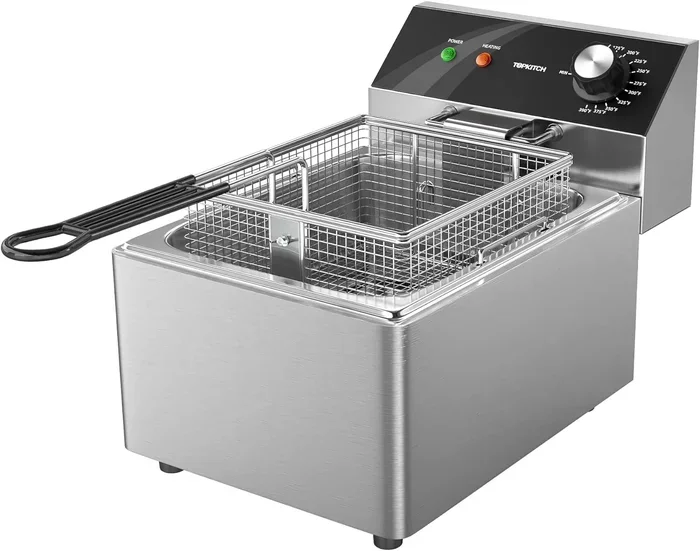
Most home fryers guess at temperatures. A Japanese deep fryer hits the exact degree you need. Whether you are frying shrimp at 350°F or vegetables at 375°F, you get pinpoint accuracy every single time.
Design Inspired by Japanese Cooking
These units often mimic the design principles found in traditional Japanese kitchens. Clean lines. Functional simplicity. Smart airflow. Some models even double as an air fryer toaster oven, giving you multiple cooking options in one compact machine.
That versatility is a big deal. Instead of cluttering your countertop with five different gadgets, you get one powerful unit that handles it all. If you are curious about how versatile these machines can get, check out this guide on what is an air fryer toaster oven to understand the full range of possibilities.
The Science Behind Perfect Crispy Results
Here is something most people do not think about. Great fried food is actually a science. It is not just about dumping food into hot oil and hoping for the best. Understanding a few basics will instantly improve your results.
Why Oil Temperature Matters So Much
When food hits hot oil, moisture on the surface rapidly turns to steam. This steam escaping is what creates those tiny air pockets we love. The result? A crispy exterior that is light, not heavy.
But here is the catch. If your oil is too cool, the food absorbs more grease. You end up with soggy, oily mess. Too hot, and the outside burns before the inside cooks through. A Japanese deep fryer solves this problem by keeping the temperature locked in.
The Role of Batter and Coating
Japanese cooking uses some of the most delicate batters in the world. Tempura batter, for example, is thin and cold. It creates that signature lacy, feathery crunch. Other coatings like panko breadcrumbs add a different kind of texture—bold and crunchy.
Using the right batter matters. But so does the equipment. A well-designed fryer gives your coating the perfect environment to set and crisp up properly.
Airflow and Draining Design
Many Japanese deep fryers feature smart basket designs. The holes and shape allow oil to drain quickly after cooking. Better draining means less greasiness. Your food comes out lighter and cleaner tasting.
Some higher-end models even incorporate hot air circulation technology. This is similar to what you find in an air fryer, and it helps crisp food with significantly less oil overall. You can learn more about this technology by reading about how to use Breville smart oven air fryer for insights into air circulation cooking methods.
Health Benefits of Using a Japanese Deep Fryer
Let’s tackle the elephant in the room. Deep frying gets a bad reputation. And honestly, traditional deep frying can be unhealthy. But a Japanese deep fryer offers some real advantages that might surprise you.
Less Oil Absorption
Because these fryers maintain optimal temperature, food actually absorbs less oil. The rapid surface sealing keeps grease outside where it belongs. Studies show that properly fried foods absorb around 10-15% oil, compared to much higher levels when frying at incorrect temperatures.
Better Than Traditional Methods
Compare this to deep frying in a large pot on the stove. That method is messy, inconsistent, and often leads to overcooked or undercooked spots. A dedicated fryer gives you control and consistency that a pot simply cannot match.
Pair It With an Air Fryer Option
Many people who love a Japanese deep fryer also explore air frying as a lighter alternative. If you want to cut oil even further, some combo units let you switch between deep frying and air frying. You can even check pricing options like how much is the Ninja air fryer oven to see how affordable these combo units have become.
The beauty is that you do not have to give up crispy food to eat healthier. You just need the right tools and techniques.
Quick Health Comparison
- Traditional pot frying: High oil absorption, inconsistent temperatures, messy cleanup.
- Basic home fryer: Better temperature control but often limited capacity and features.
- Japanese deep fryer: Precise heat, reduced oil absorption, cleaner results, easier cleanup.
Top Features to Look For When Choosing One
Not all fryers are created equal. Before you buy a Japanese deep fryer, you should know what features actually matter. Here is what to focus on.
Temperature Range
Look for a unit that offers at least 250°F to 400°F range. This covers everything from slow warming to high-heat deep frying. The wider the range, the more versatile the fryer becomes.
Oil Capacity
A 2-3 liter oil capacity works well for most families. It is enough to fry several servings without overcrowding. Larger households might want 4 liters or more.
Safety Features
Frying with hot oil carries risks. That is why safety matters so much. Look for these features:
- Cool-touch handles and exterior surfaces
- Automatic shut-off timers
- Overheat protection sensors
- Stable, non-slip base
- Lid or splatter guard
Ease of Cleaning
Nobody enjoys scrubbing greasy parts. The best Japanese deep fryers have removable baskets and trays that go straight into the dishwasher. Non-stick coatings make a huge difference too.
Compact Design
Kitchen space is precious. Many of these fryers are designed to sit neatly on a countertop without taking over your workspace. Some even store easily inside cabinets.
How to Use Your Japanese Deep Fryer Like a Pro
Ready to start cooking? Using your Japanese deep fryer is actually quite simple once you know the basics. Follow these steps and you will get great results from day one.
Step 1: Prepare Your Food
Pat food dry before frying. Moisture is the enemy of crispiness. Cut items into even sizes so they cook uniformly. Season lightly before coating if desired.
Step 2: Set the Temperature
Heat oil to the recommended temperature. Different foods need different heats:
- Tempura and seafood: 340-360°F
- Chicken and meat: 350-375°F
- Vegetables: 375-400°F
Step 3: Do Not Overcrowd the Basket
This is the number one mistake home cooks make. Overcrowding drops the oil temperature fast. Food steams instead of frying. Result? Soggy, greasy dishes. Cook in small batches for best results.
Step 4: Monitor Cooking Time
Keep an eye on your food. Most items take between 3-8 minutes depending on size and type. Use a cooking thermometer for meats to ensure they reach safe internal temperatures.
Step 5: Drain and Serve Immediately
Remove food promptly when done. Place on a wire rack or paper towel to drain excess oil. Serve right away for the best crunch. Fried food waits for no one!
Pro Tips for Better Results
- Reheat oil between batches to restore temperature quickly.
- Use a thermometer to check oil temp if your fryer does not have one built in.
- Try double frying for extra crunch. Fry once at lower heat, rest, then fry again at higher heat.
- Keep a lid nearby to contain splatter and reduce cleanup.
Common Mistakes to Avoid
Even with a great Japanese deep fryer, mistakes can ruin your meal. Here are the most common errors and how to fix them.
Mistake 1: Ignoring Oil Temperature
As we discussed, temperature is everything. Never skip preheating your oil. Always verify the temperature before adding food.
Mistake 2: Using the Wrong Oil
Not all oils handle high heat well. Choose oils with high smoke points like peanut oil, canola oil, or vegetable oil. Avoid olive oil for deep frying unless it is specifically refined for high heat.
Mistake 3: Skipping the Drying Step
Wet food causes dangerous oil splatter. It also prevents proper crisping. Always dry your ingredients thoroughly before they hit the fryer.
Mistake 4: Reusing Old Oil
Used oil degrades over time. It produces off-flavors and unhealthy compounds. Filter and store oil properly if you plan to reuse it, but never use oil that smells burnt or dark.
Mistake 5: Leaving the Fryer Unattended
Hot oil is dangerous. Never leave a running fryer unsupervised. Keep children and pets away from the cooking area at all times.
Expert Insights on Japanese Deep Frying
I spoke with several culinary experts to gather some professional perspectives on Japanese deep fryers and home frying techniques. Here is what they had to say.
“The secret to great tempura is not the ingredients. It is the temperature control,” says Chef Hiroshi Tanaka, a specialist in Japanese cuisine. “A fryer that holds steady heat makes all the difference between amateur results and restaurant-quality dishes.”
Many home cooks also praise the dual-function capability of modern units. Being able to switch between deep frying and air frying gives families flexibility. One device handles weeknight quick meals and weekend indulgences alike.
Another expert recommendation was about oil quality. “Use fresh oil every time if you can. The flavor difference is noticeable immediately,” advises Chef Maria Gonzalez, a food science educator. “But if you must reuse, strain it well and store it in a sealed container in a cool, dark place.”
Conclusion
A Japanese deep fryer truly transforms the way you cook at home. It brings precision, consistency, and delicious results that were once only possible in professional kitchens. Whether you are making crispy tempura, golden chicken, or perfectly roasted vegetables, this appliance delivers every time.
The health benefits are real. The ease of use is impressive. And the variety of meals you can prepare is practically endless. By avoiding common mistakes and following proper techniques, you will enjoy restaurant-quality food right from your own countertop.
So take the leap. Invest in a quality Japanese deep fryer, follow the tips in this guide, and watch your home cooking completely transform. Your taste buds will thank you.
Frequently Asked Questions
What can you cook in a Japanese deep fryer?
A Japanese deep fryer handles a wide variety of foods. Think tempura, fried chicken, shrimp, vegetables, French fries, and even spring rolls. Many models also work as an air fryer toaster oven, so you can roast and bake too. The versatility really makes it a kitchen essential.
Is deep frying with a Japanese deep fryer healthy?
It can be healthier than traditional methods. These fryers maintain precise temperatures, which reduces oil absorption. Food absorbs less grease when cooked correctly. You can also find models that combine deep frying with air fryer functions for even lighter cooking options.
How do I clean my Japanese deep fryer?
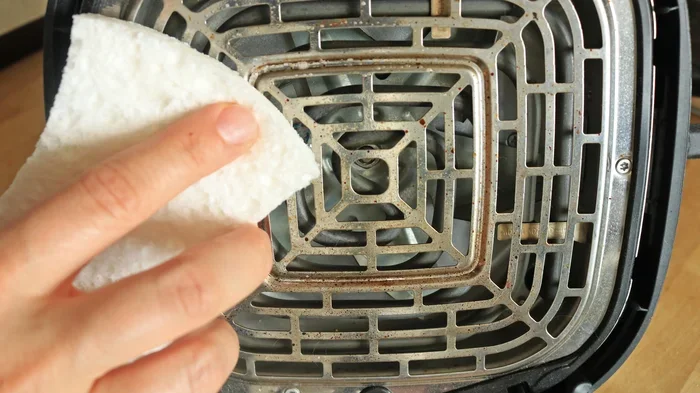
Most models have removable baskets and trays that are dishwasher safe. Wipe down the interior with warm soapy water after each use. Let the unit cool completely before cleaning. Regular cleaning prevents buildup and keeps your fryer performing at its best for years.
What is the best oil to use for deep frying?
Choose oils with high smoke points. Peanut oil, canola oil, and vegetable oil are excellent choices. They handle high heat without burning or producing off-flavors. Avoid using extra virgin olive oil since it has a lower smoke point and is better suited for lower-heat cooking.
Can I use a Japanese deep fryer for commercial purposes?
Some commercial-grade models exist, but most home Japanese deep fryers are designed for household use. If you need higher capacity and continuous cooking power, look for commercial units specifically. Home models work perfectly for family meals and small gatherings.
How long does oil last in a Japanese deep fryer?
With proper filtering and storage, frying oil can be reused several times. Strain it after each use to remove food particles. Store in a sealed container away from light and heat. Replace oil when it becomes dark, smoky, or develops a rancid smell to ensure safe and tasty results.